
- Loading…

Students are firstly demonstrated the use of biomaterial to make into a functional product.
They embark on their innovative journey to create and fabricate as a team of 3 / 4 a product that use the biomaterial that they have created.
Subject: Innovation Module
Concept: Design & Sustainability
Lesson Title: Design and Fabricate a Sustainable Biomaterial Product
Duration: 3 weeks of 1-2 hrs lesson each week.
Lesson Flow
Week 1
Phase 1: Introduction (15 min)
Hook: Show plastic vs biomaterial products
Introduce SDG 12: Responsible Consumption and Production
Driving Question: “How can we design products that reduce environmental impact?”
Phase 2: Demonstration (15 min)
Teacher demonstrates biomaterial production
Highlight ingredients (gelatine, glycerol, water ratios)
Students record observations
Phase 3: Guided Practice (30 min)
Students produce first biomaterial batch in teams
Teacher give instruction for the Design Challenge
Week 2
Phase 4: Design Challenge (45 min)
Task: Design and Make Biomaterial Product (e.g., carrier, paper clips holder)
Constraints & Materials:
* Must use the material that they create in Phase 3 as their main material
* Can use recycled material found in makerspace
* Can use sewing materials, clips, cutters, buttons, and stationary supplies in makerspace
Phase 5: Prototype & Test (45 min)
Students fabricate product
Conduct test on usability and getting feedback from peers
Record feedback, reflection and revised design diagrams
Week 3
Phase 6: Iteration (30 min)
Improve design based on feedback and reflection
Document changes and reasoning
Phase 7: Presentation & Reflection (30 min)
Present product and sustainability consideration
Submit group learning diary and individual reflection
Differentiation
1. Teacher consultation available for all groups
2. Extension: modify biomaterial recipe if their design needs material of certain physical properties such as more flexible or durable
Materials per team of 3/4:
Water 240 ml
Gelatine 48 g
Glycerol normal 24 g
Lesson Objectives
Students will be able to:
* Formulate/reproduce a biomaterial sample after class demonstration
* Brainstorm, design and fabricate a functional biomaterial product that meets the needs of their intended users in teams of 3/4
* Apply an iterative design process (prototype → test → refine) with at least one evidence-based improvement.
* Discuss and share environmental consideration in their design and prototyping.
* Collaborate effectively, present design rationale and final product in teams of 3 or 4
* Reflect the learning process individually.
I enjoy making the biomaterial and designing a product that utilise the biomaterial i.e carrier. I have benefit much from the use of Chat GPT to review my lesson plan. I will use it again to offer my suggestion and area of improvement in my future lesson plans.
I intend to make another batch of biomaterial and explore ways to create less bubbling effects.
I am looking forward to all the different product designs that students can come out with from this authentic task.
Feel free to access my FLA page here:
Teacher to watch this link to make his/her own biomaterial https://www.youtube.com/watch?v=IuNljtOz6wg
Amount of Materials used:
Water 240 ml
Gelatine 48 g
Glycerol normal 24 g
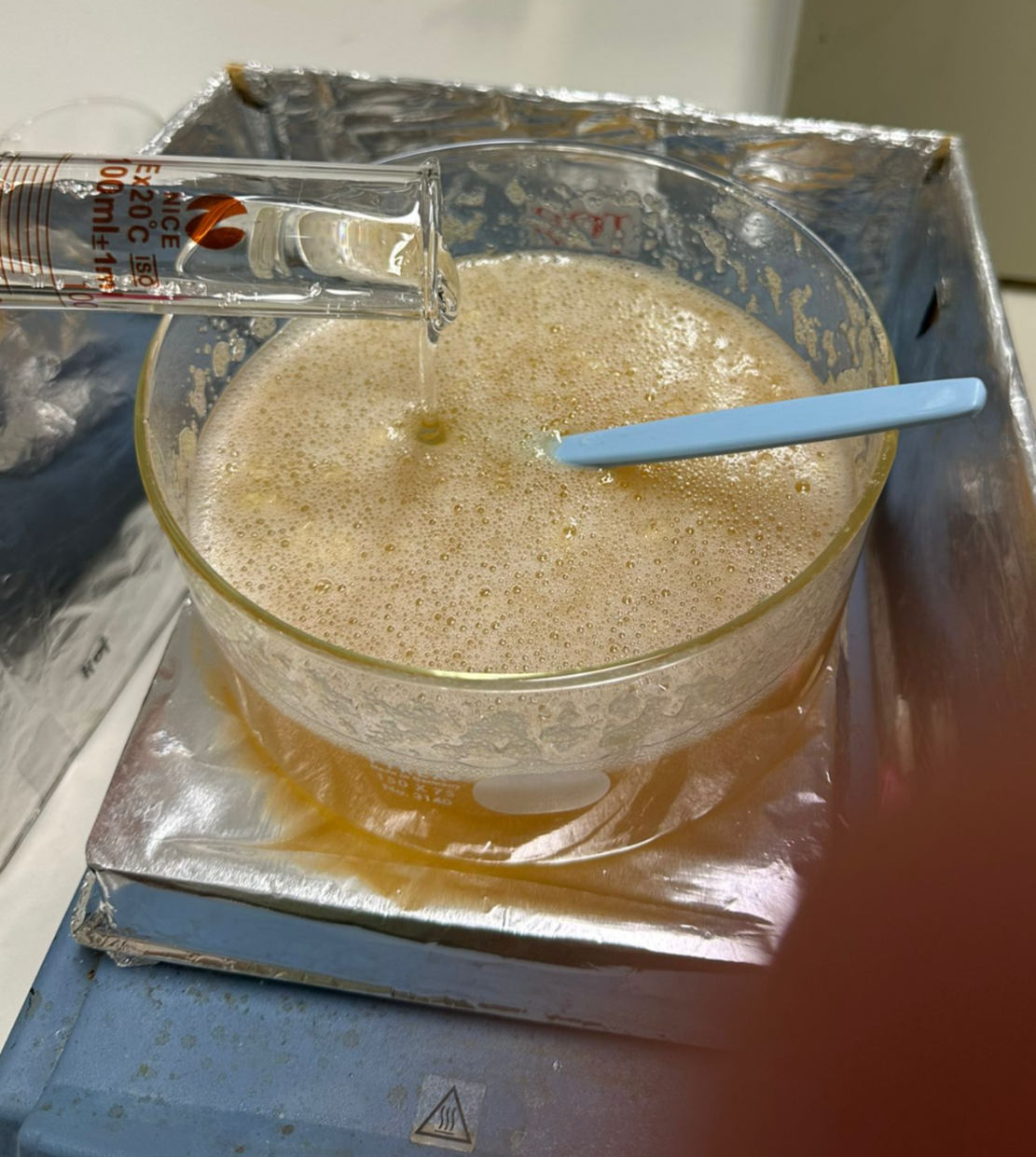
Cooking Process:
Drying Process:
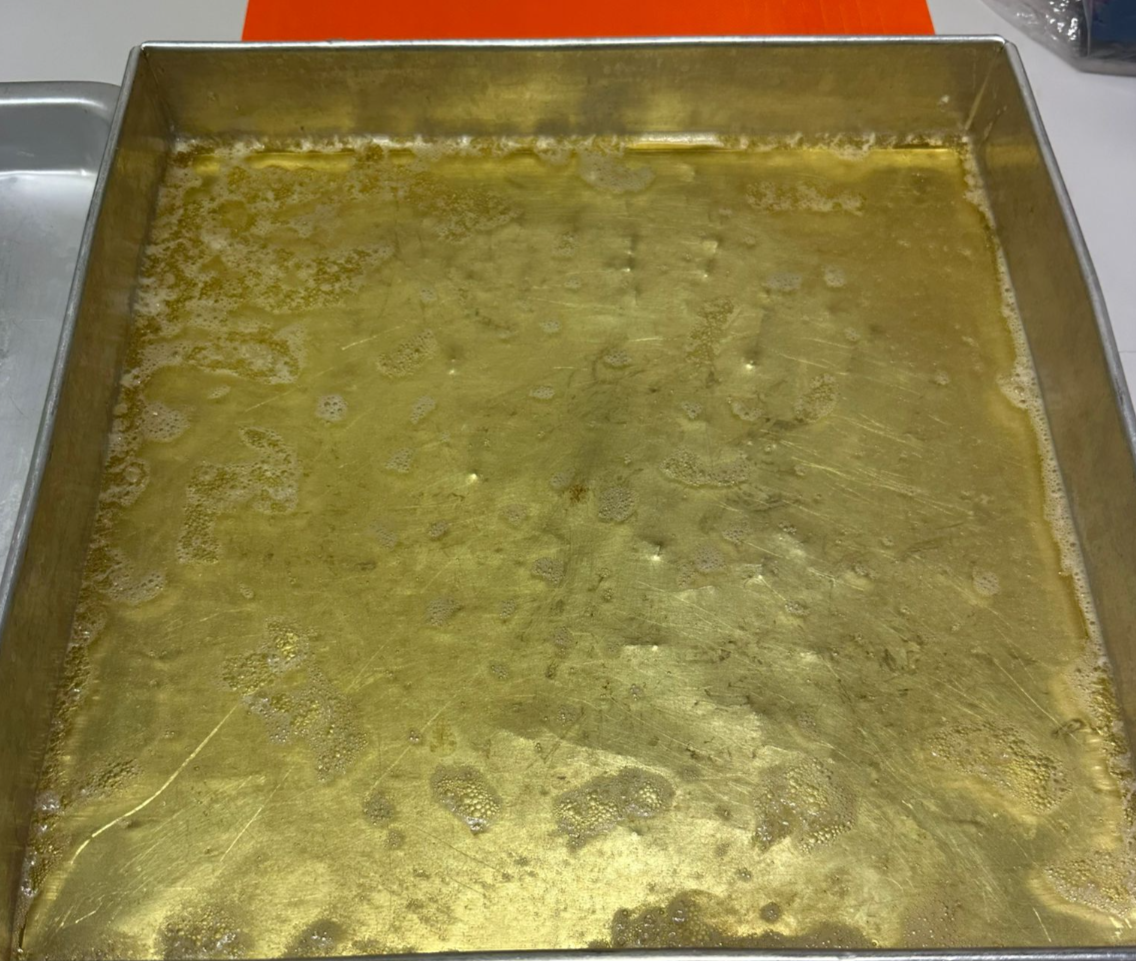
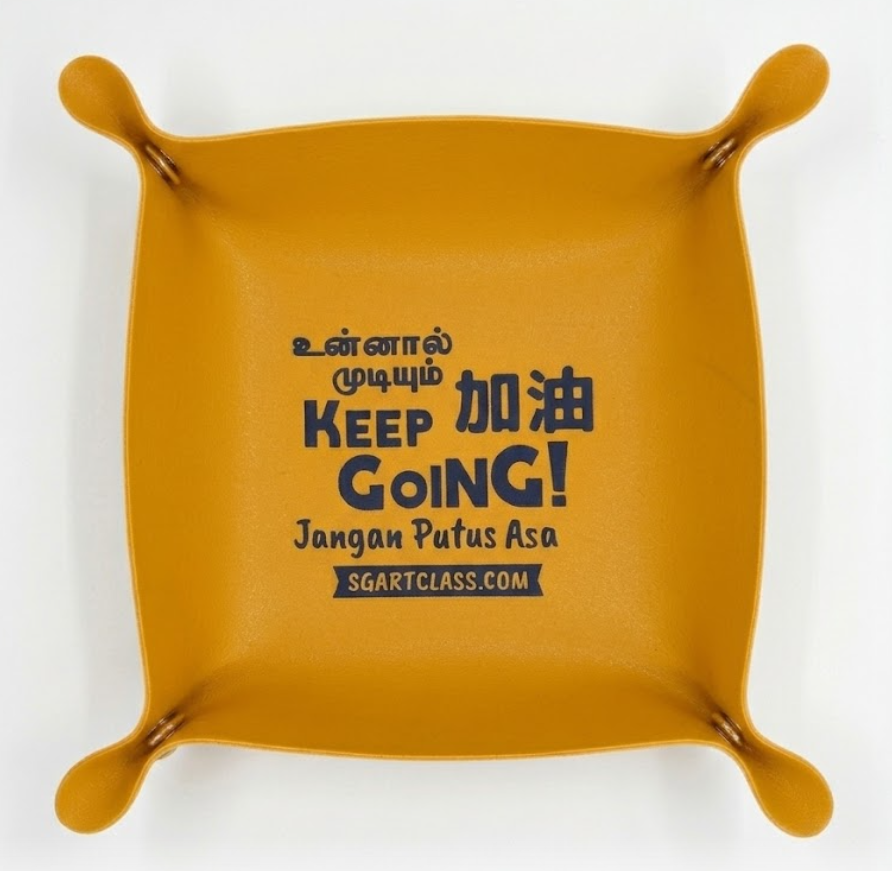
Teacher to create a sample product to trigger students thinking. Below is a example of product made using the bio material. It can be laser cut, laser engrave or even cut using traditional pen knife and ruler. I am also exploring the use of buttons for leather onto such material.
Final product sample


Inspiration from an existing product:


Laser engraved or even pen knife
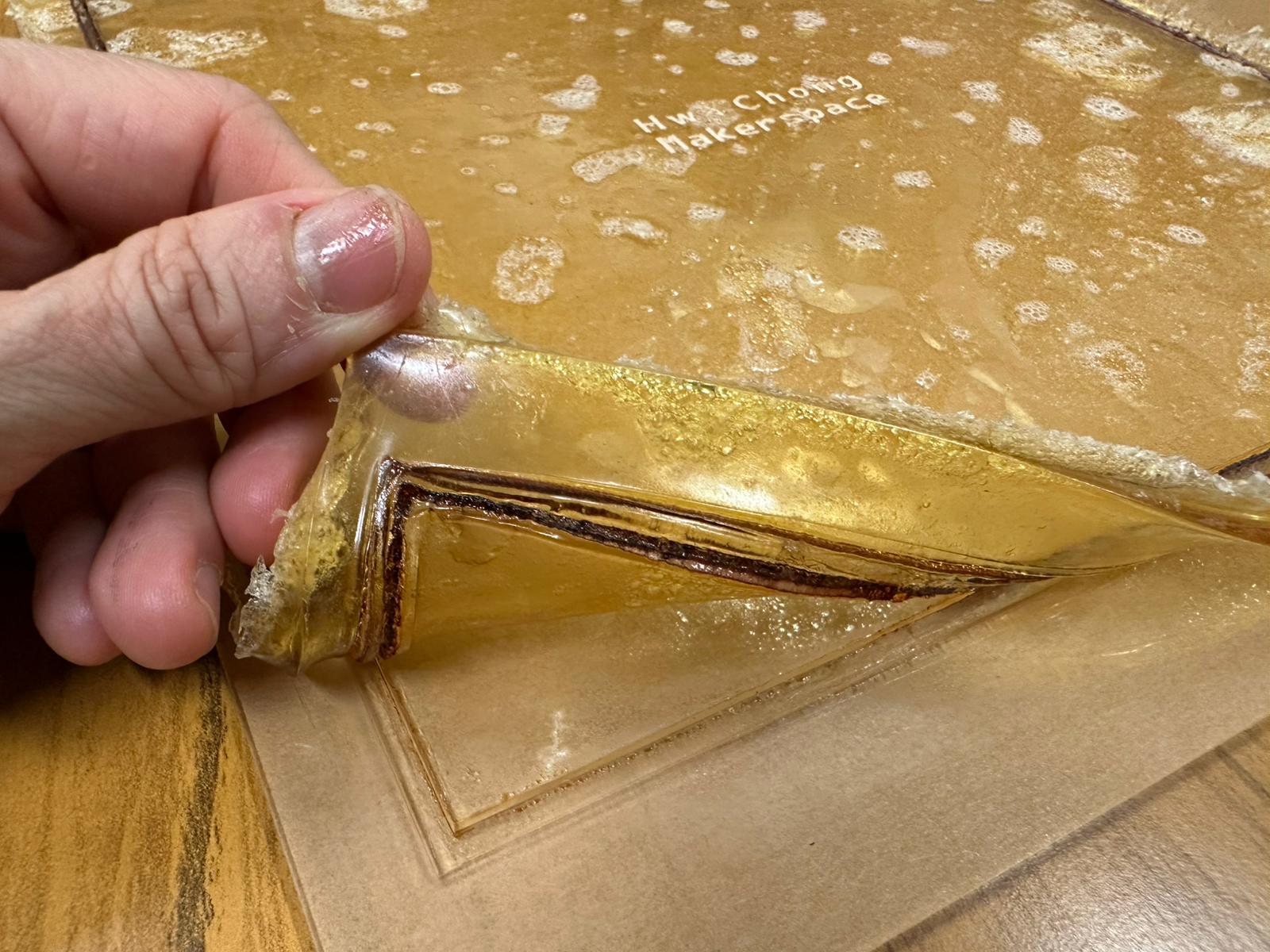
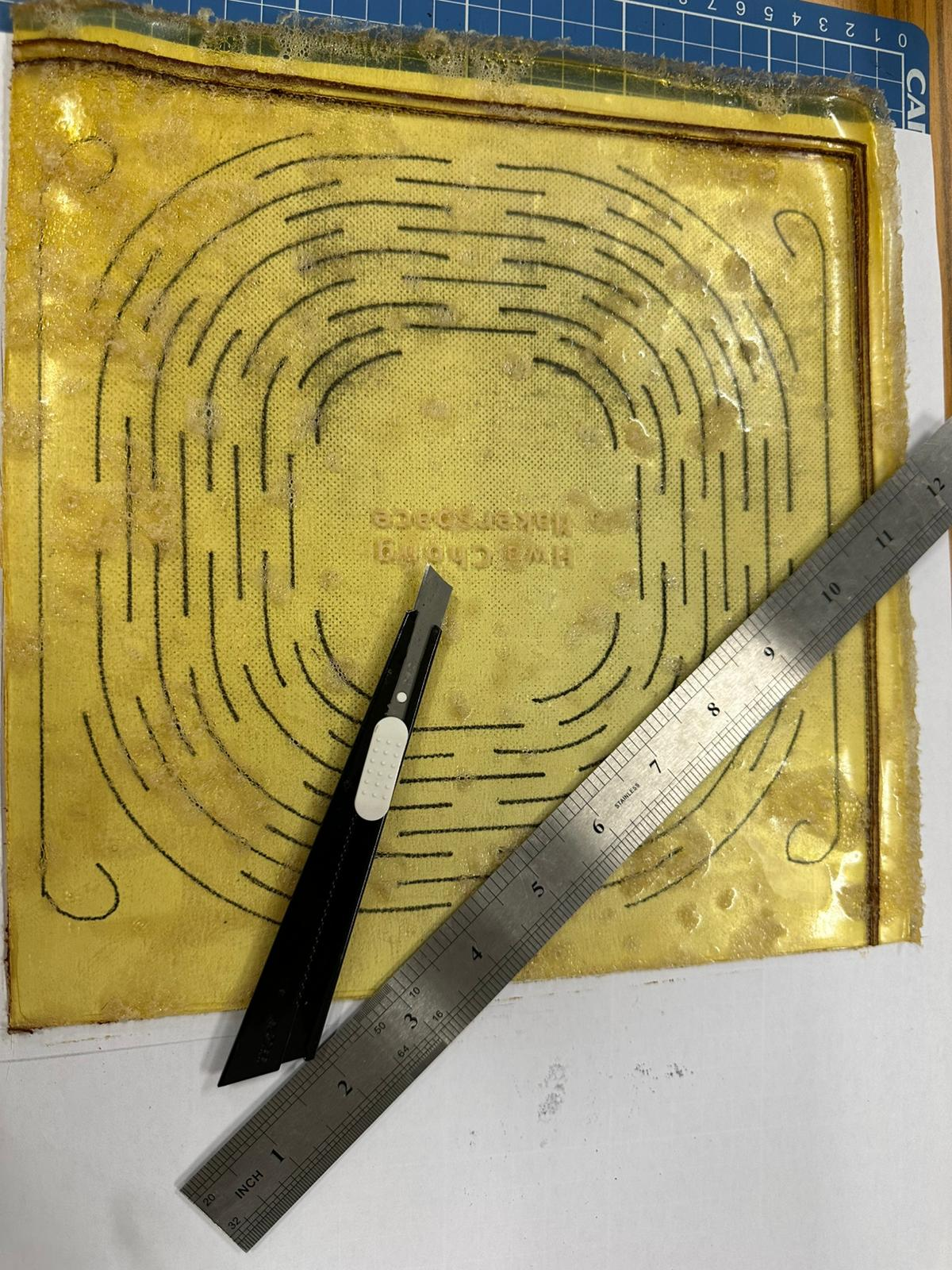
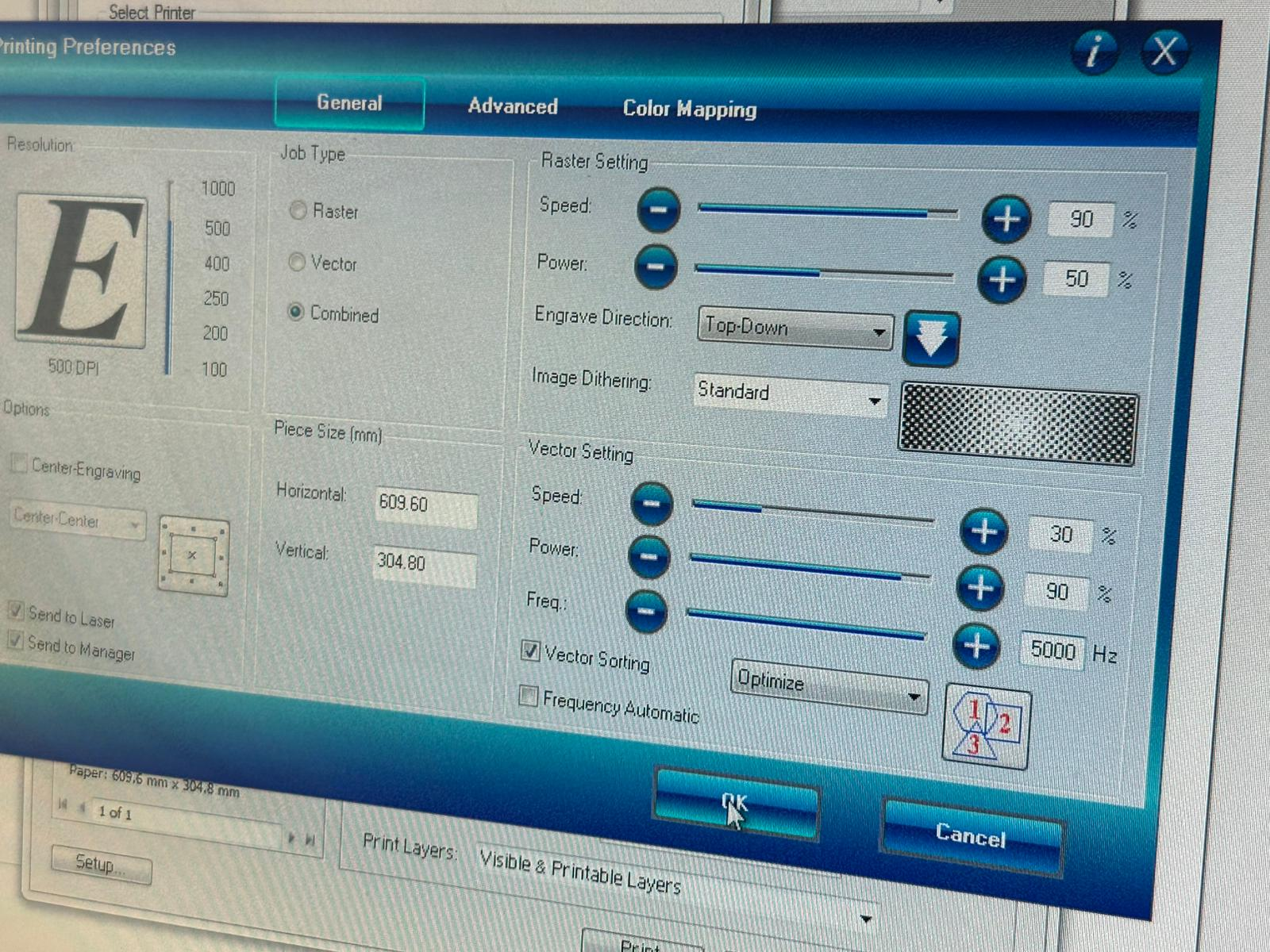
Laser Engraving Setting used
Another possible product for student to consider – desk organiser / clips holder.
(Sustainable material made with 4 metal buttons added)
The different phases of the lesson
Week 1
Phase 1: Introduction (15 min)
Hook: Show plastic vs biomaterial products
Introduce SDG 12: Responsible Consumption and Production
Driving Question: “How can we design products that reduce environmental impact?”
Phase 2: Demonstration (30 min)
Teacher demonstrates biomaterial production
Highlight ingredients (gelatine, glycerol, water ratios)
Students record observations
Phase 3: Guided Practice (30 min)
Students produce first biomaterial batch in teams
Teacher give instruction for the Design Challenge for homework
Week 2
Phase 4: Design Challenge (45 min)
Task: Design and Make Biomaterial Product (e.g., carrier, paper clips holder)
Constraints & Materials:
* Must use the material that they create in Phase 3 as their main material
* Can use recycled material found in makerspace
* Can use sewing materials, clips, cutters, buttons, and stationary supplies in makerspace
Phase 5: Prototype & Test (45 min)
Students fabricate product
Conduct test on usability and getting feedback from peers
Record feedback, reflection and revised design diagrams
Week 3
Phase 6: Iteration (30 min)
Improve design based on feedback and reflection
Document changes and reasoning
Phase 7: Presentation & Reflection (30 min)
Present product and sustainability consideration
Submit group learning diary and individual reflection
Differentiation
1. Teacher consultation available for all groups
2. Extension: modify biomaterial recipe if their design needs material of certain physical properties such as more flexible or durable
Materials per team of 3/4:
Water 240 ml
Gelatine 48 g
Glycerol normal 24 g
This is the assessment rubric.
The process is important part of this hands on learning experience.
The lesson ends with a showcase and celebration of each team effort and creative ideas.
Having trouble? Let us know by completing the form below. We'll do our best to get your issues resolved quickly.
"*" indicates required fields