
Studio 5/6 was established by the Ministry of Transportation and Communication in Qatar to provide children and young adults with technology opportunities as part of the country’s Digital Youth Strategy.
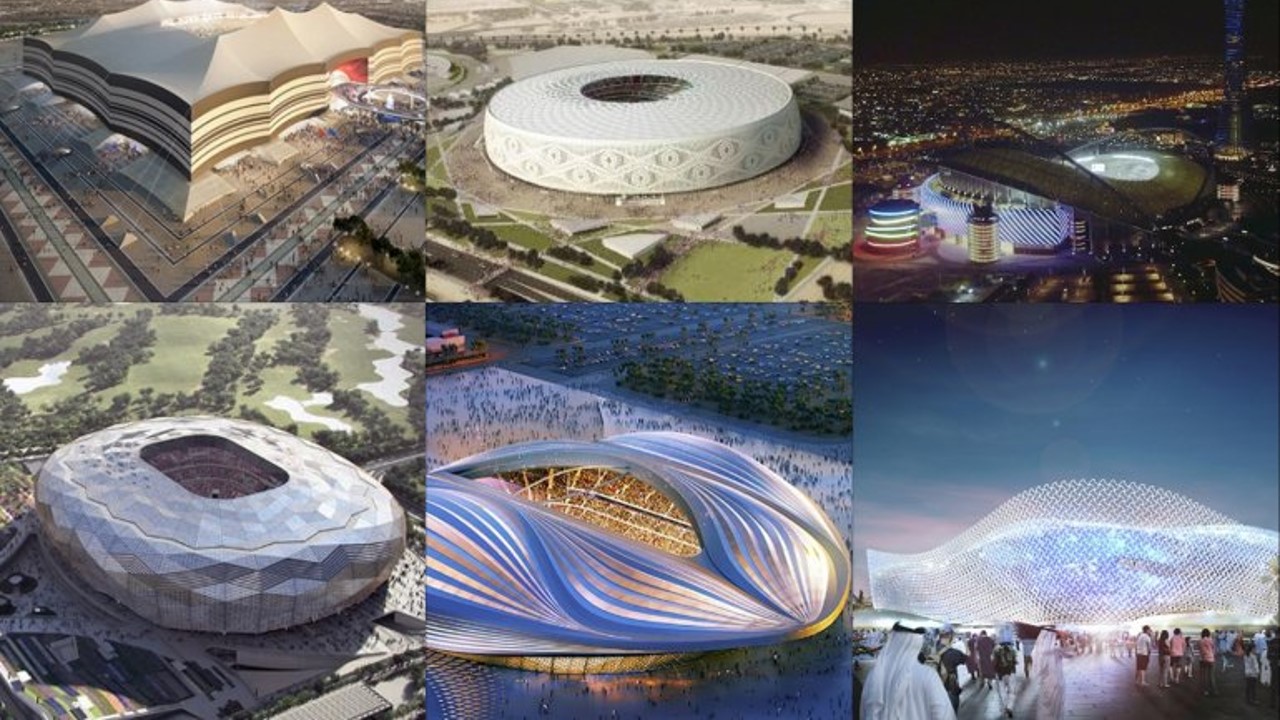
3D Print Qatar Stadium
In this 1 hour session, participants will learn 3D modeling using Tinkercad software to design a 3D Stadium, also they will learn about the digital fabrication tools such as 3D printer.
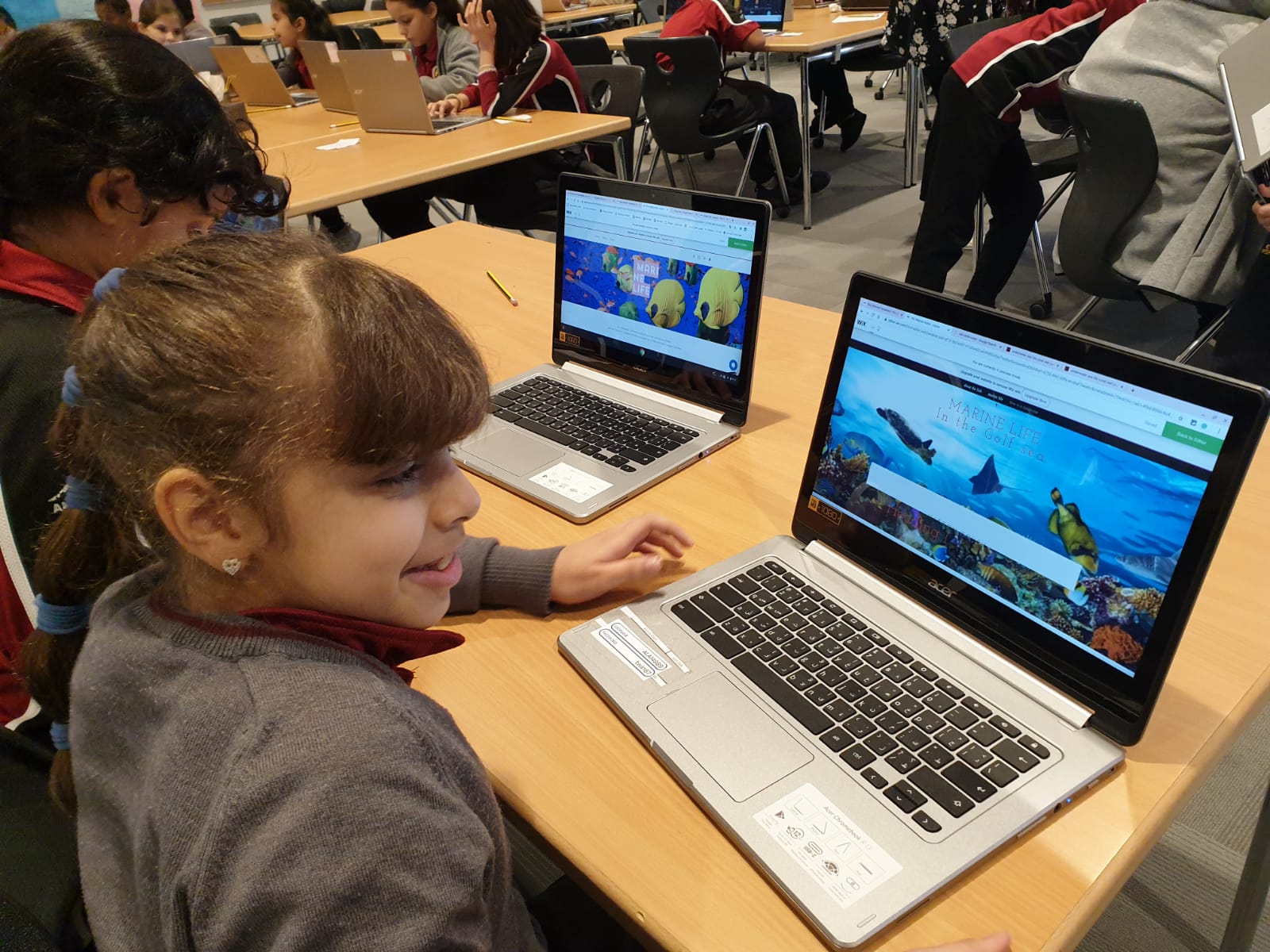
Create your own website
During this session, participants will learn how to use the Google Sites website building platform to create a simple website. They will use some commands to edit and add some…
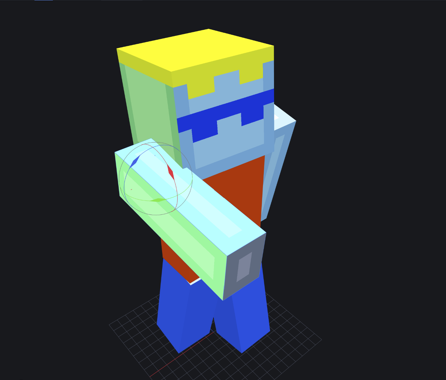
Minecraft Coding
Minecraft coding is a 5 days online camp, where in each day participants will have one hour class to gain new skills about coding. Participants will be introduced to coding…
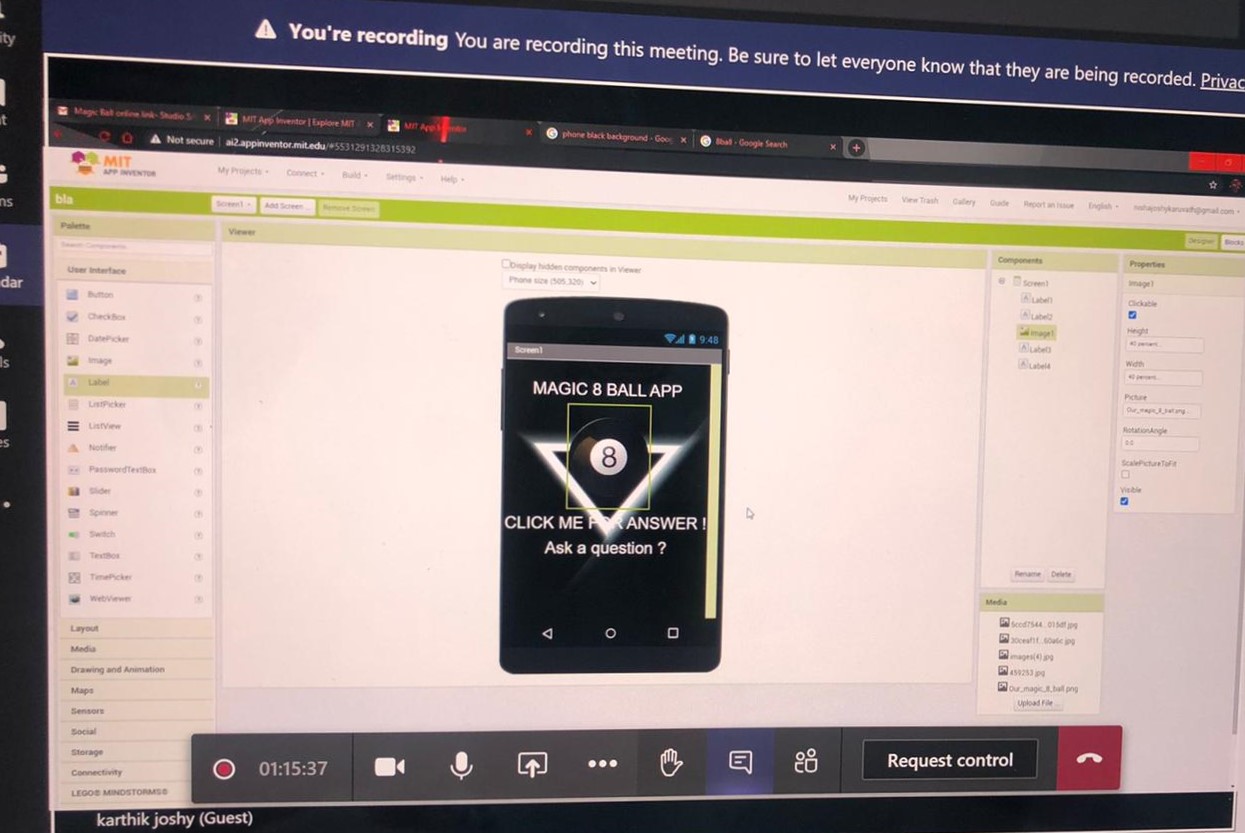
Magic Ball Application
In this 5-day series workshop, children will learn how to create a magic ball app from scratch using App Inventor. They will first start by creating the app and on…
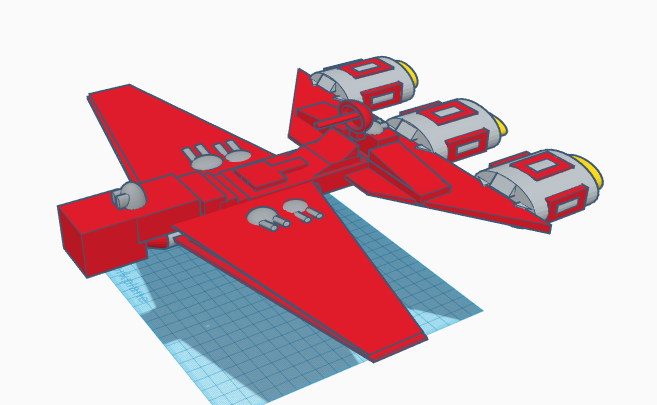
Star wars prototyping
This is 5 days online camp, in each day one hour class. participants will be introduced to 3D design through Tinkercad software they will use some new tools and techniques…
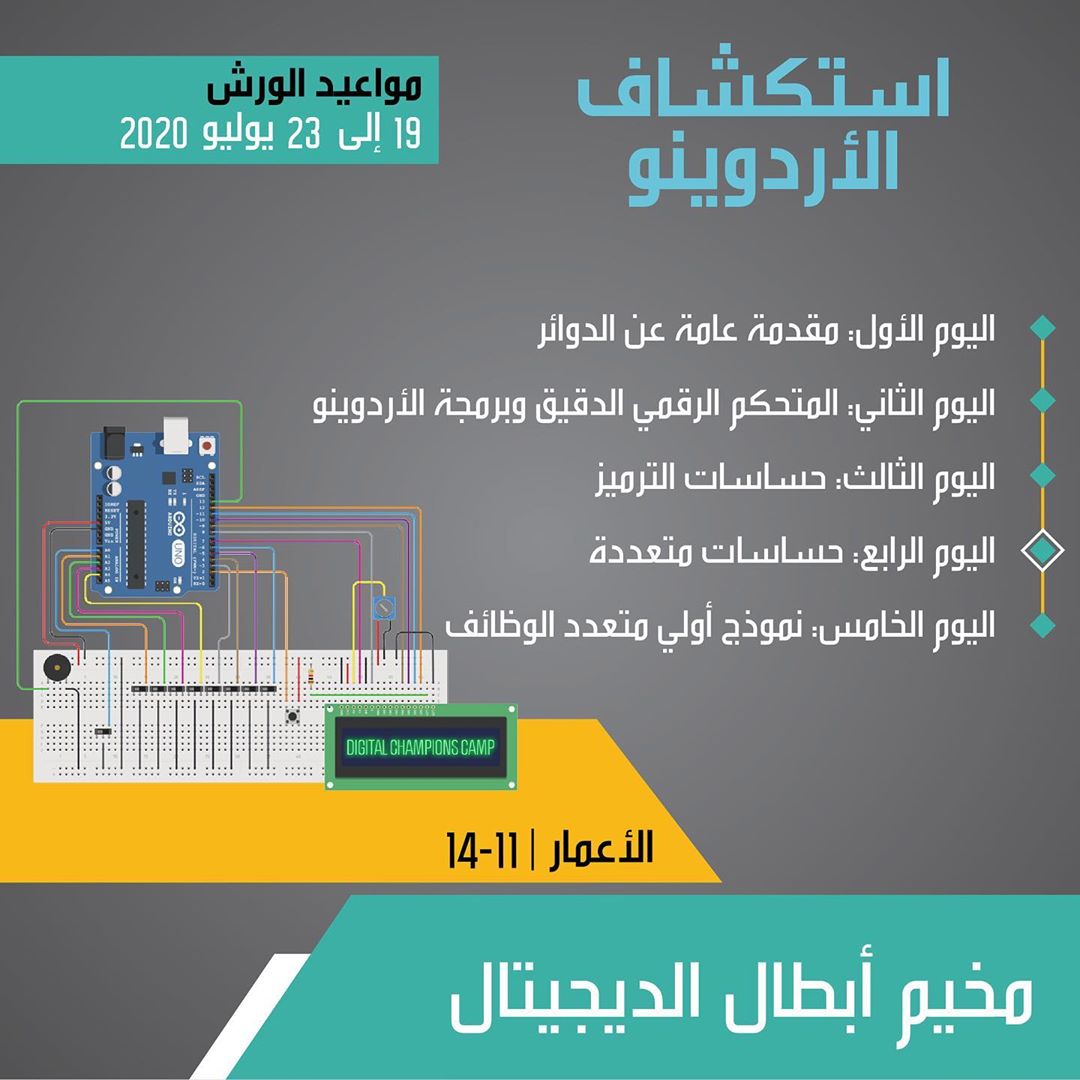
Exploring Arduino
This is a 5 days track focus on learning basic circuits theory and fundamentals in addition to Micro-controllers (parts and operation). Also, we will make some advance applications using the…
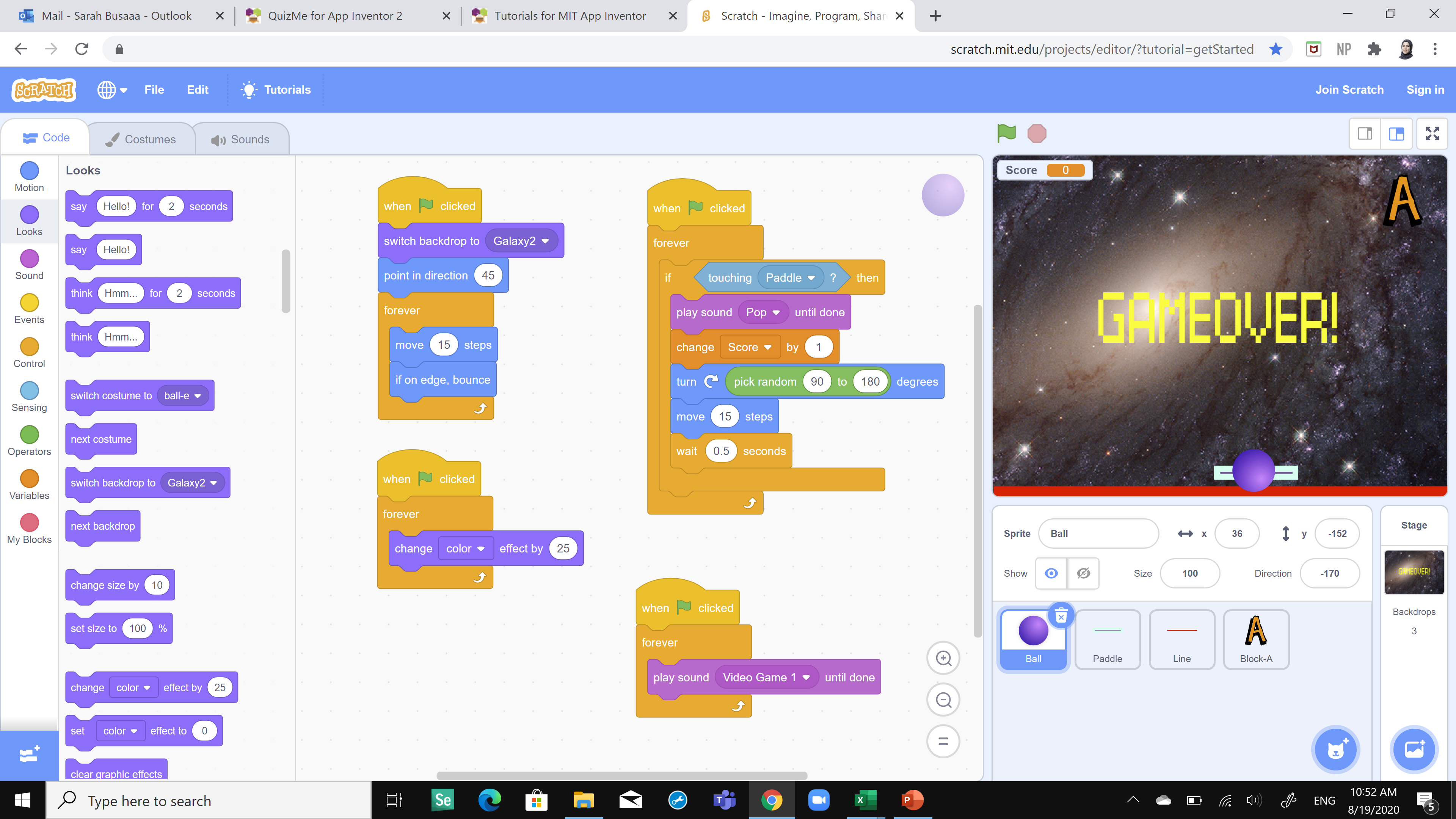
Build your own game with Scratch
In this 5-day series workshop, children will learn the basics of coding in the programming language “Scratch” in order to create their own game. Every day they will be a…
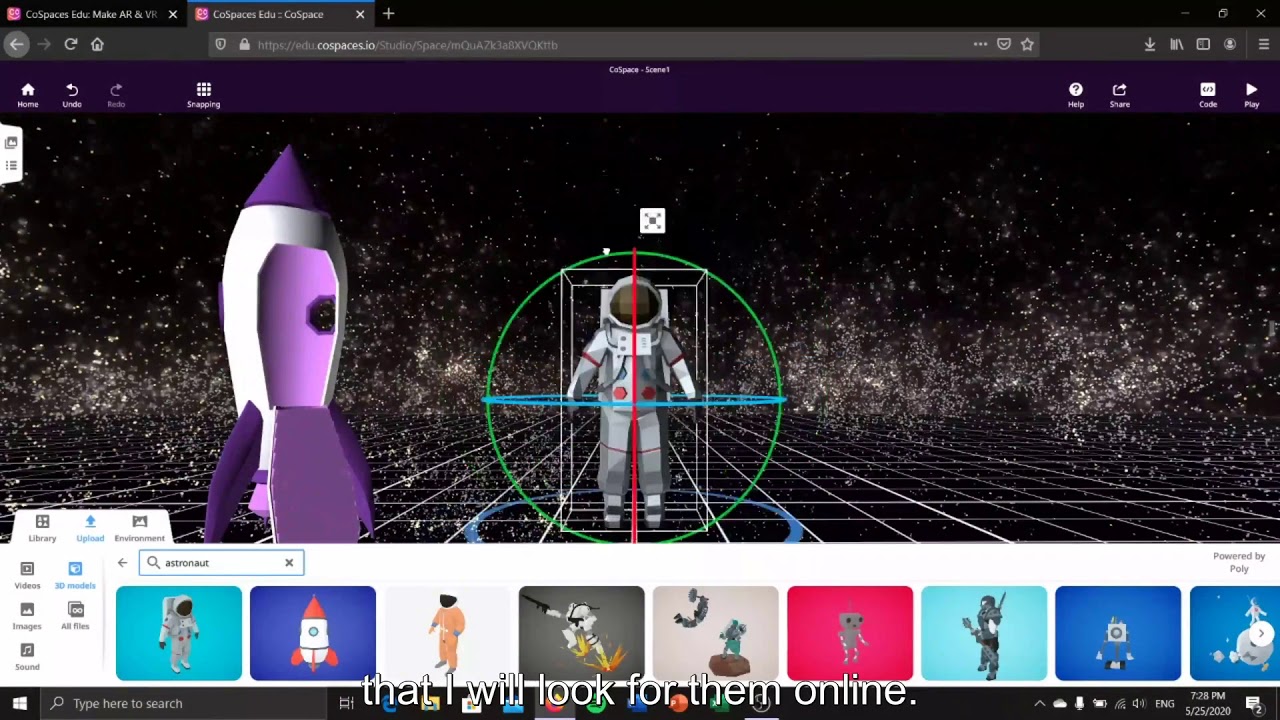
VR Environment Sessions
In these sessions participants will use Cospaces Software advanced features to build their own virtual environments. During a five days program they will go through advanced and pro features of…
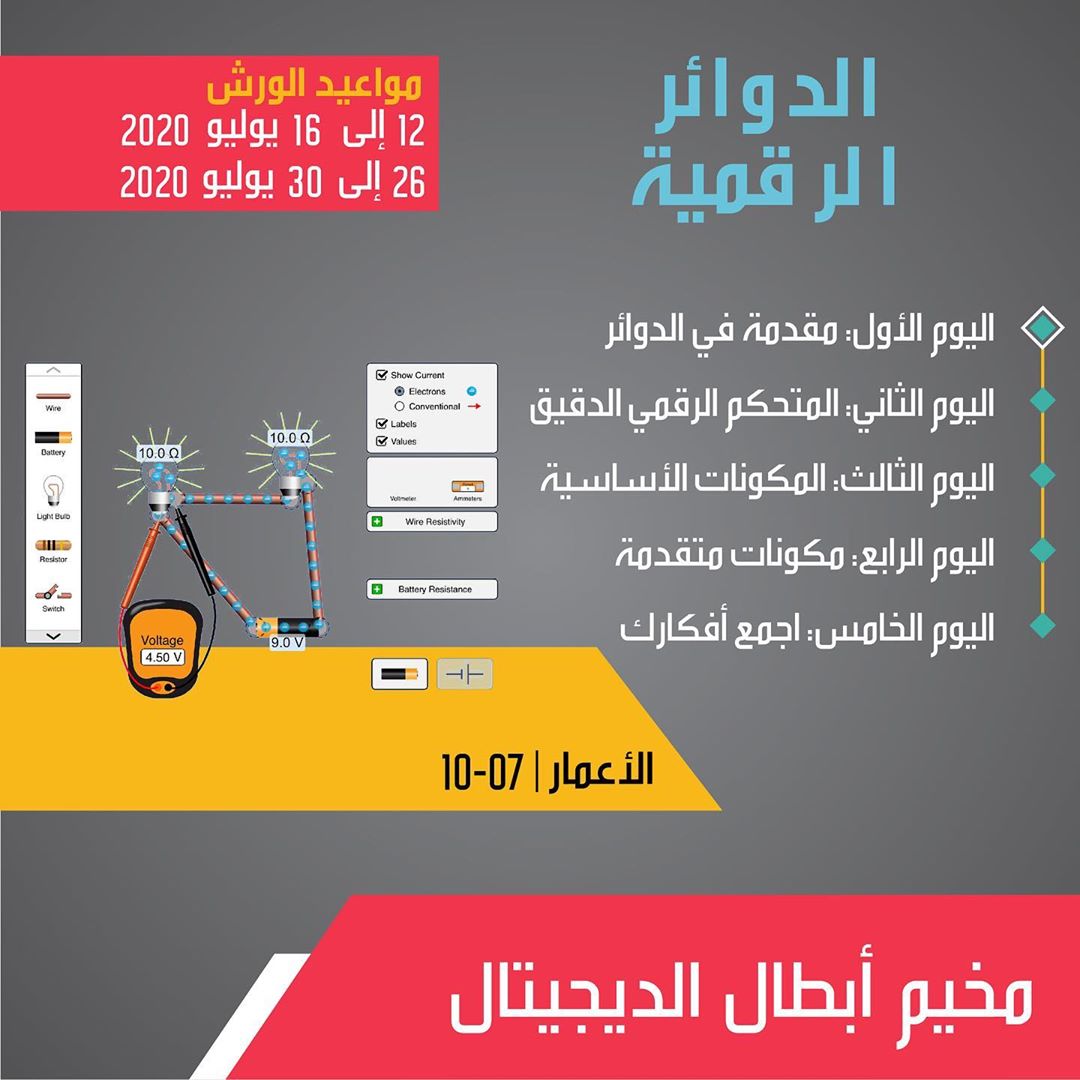
Digital Circuits
This is a 5 days Track focus on learning basic circuits theory and fundamentals in addition to Micro-controllers ( parts and operation ). Also we will make some applications using…
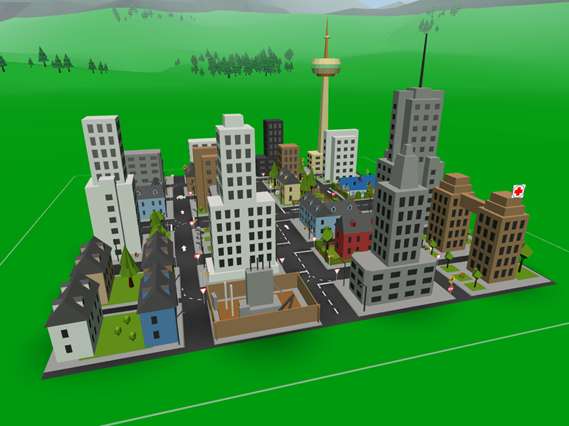
VR Model
In this workshop, A program of 5 days will be given to participants with a one hour a day, they will be presented to VR technologies and how to build…
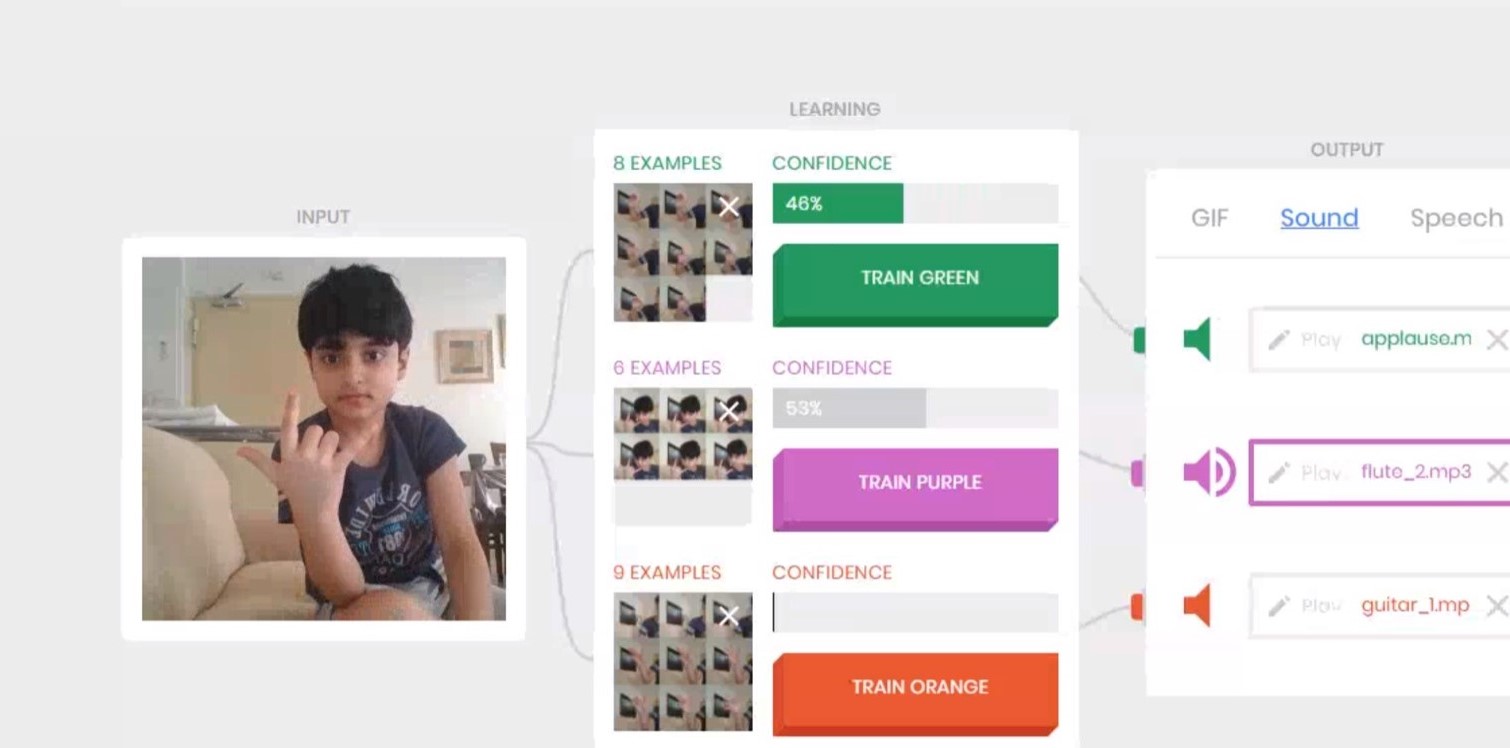
AI camp
The workshop will teach kids about AI and Machine learning. They will learn how we can train the machine (Laptop in this case) to respond to their input in the…
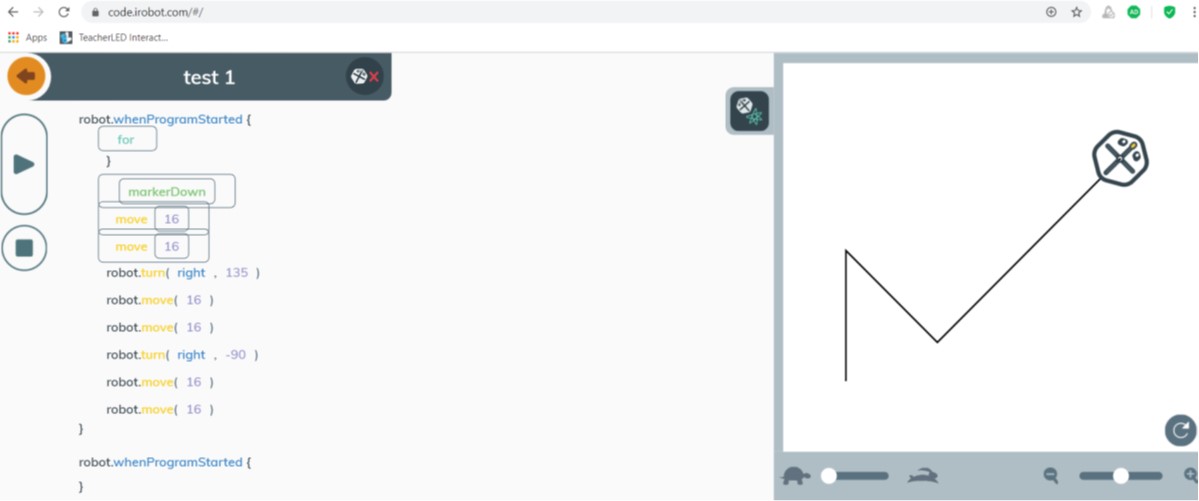
PopBot and AI
In this workshop students will make a simple simulations of teaching a virtual robot how to do specific task. They will be able to apply they knowledge in AI and…
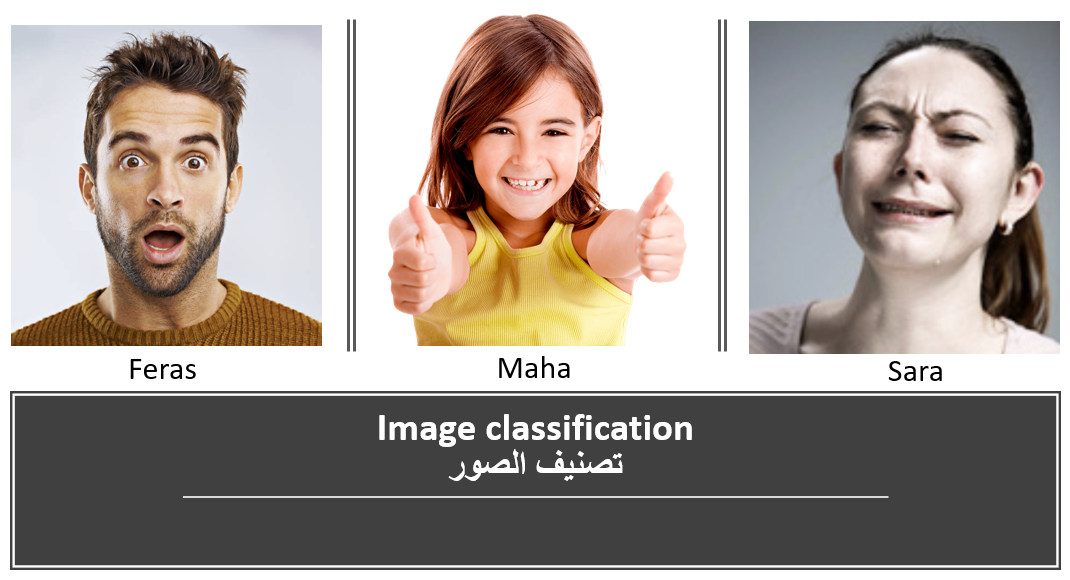
Training AI expressions
This lesson is derived from MIT personal image classifier and it has been adjusted to be given online. https://appinventor.mit.edu/explore/resources/ai/personal-image-classifier In this lesson participant will be introduced to the basics…
Artificial Intelligent
Online workshop directed to kids to introduce them to Artificial Intelligent “AI”, also for them to experience the abilities of the new technology. Besides, knowing the machine learning technique and…
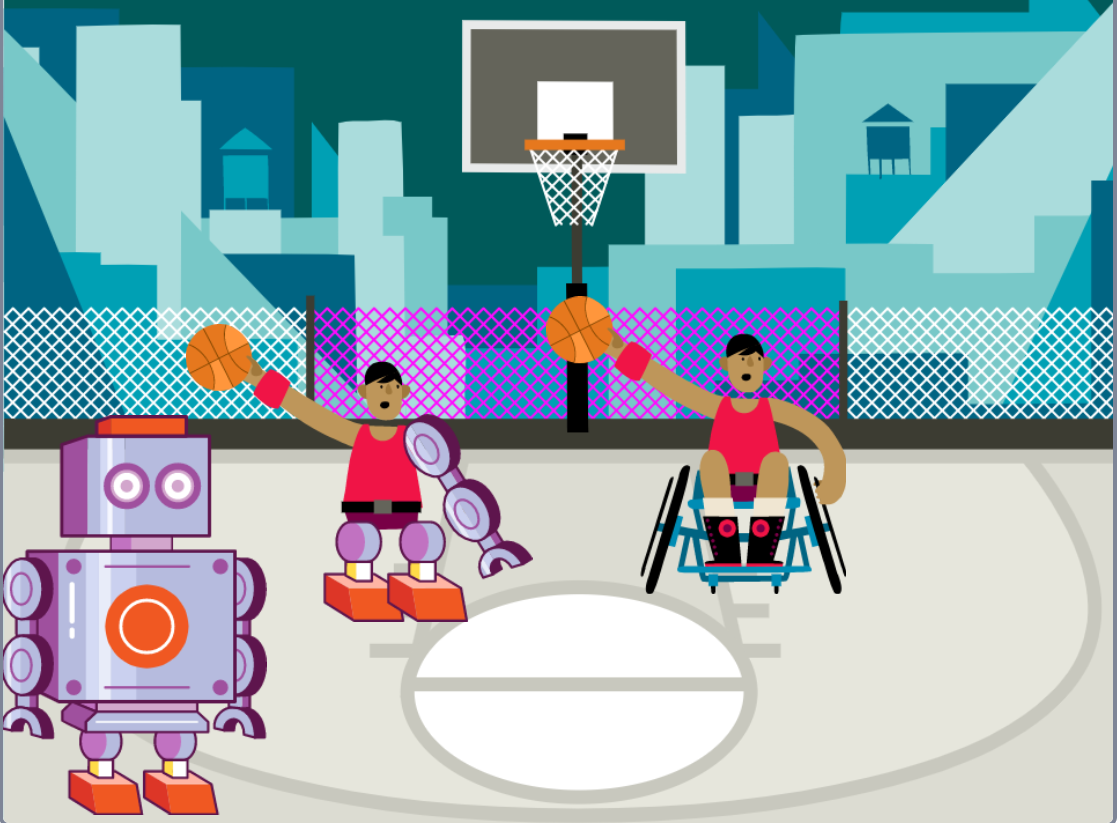
Hack Your Body
In this workshop participants will learn the basics of Augmented reality and characters building . They will use ScratchMIT software to Hack a new character from their own imagination as…
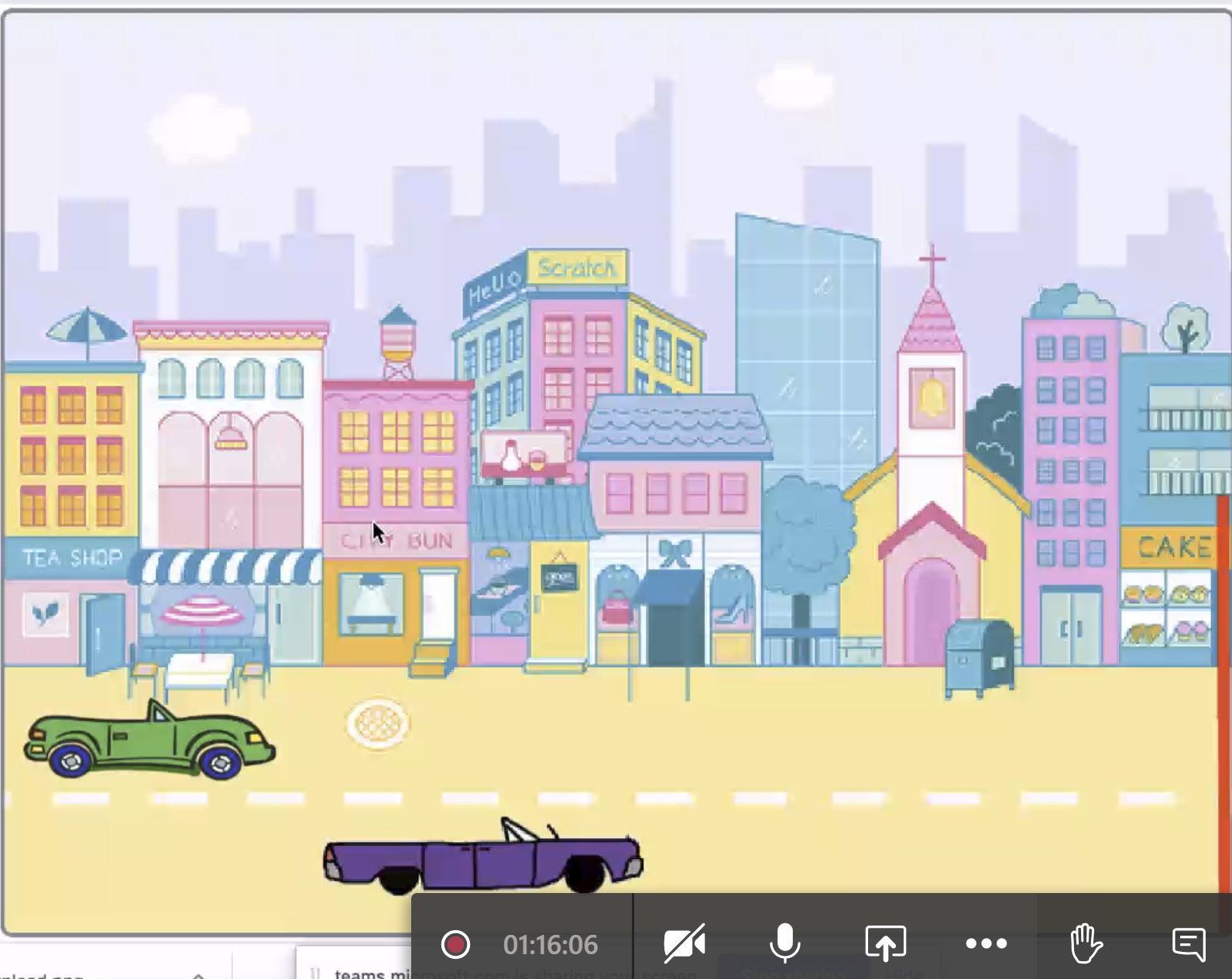
Doha Racing by Scratch
In this session, students will learn how to develop a multiplayer racing game using block programming in Scratch. Scratch is an online platform that allow users to use visual programming to create…
About Studio 5/6
Through after-school and community programming, Studio 5/6 strives to develop creativity, innovation, problem-solving, and critical-thinking skills for both children and adults. Studio 5/6 is the first fab lab in the Arab world to publish lesson plans and educational content to the SCOPES-DF community platform, and all of their educational content includes the Fab I Can Statements as a framework for learning, which they have also translated into Arabic.
Studio 5/6, in support of this international, open-source community of practice, has posted over 30 lessons to the SCOPES-DF website, and they can all be found here in this collection.
Studio 5/6 Contributors
Eman Al Kuwari
Wasim Ali
Ilaria La Manna
Moath Almomani
Sarah Boussaa
Zaid Abusini
Feras Almestarehih
Learn more about Studio 5/6 from their blog post written by Ilaria LaManna on Dec. 17, 2020.
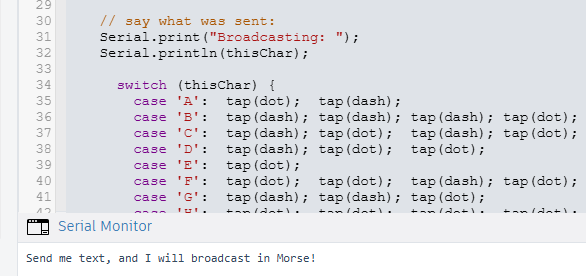
Morse Messenger
In the beginning, Samuel flipped a switch. And again, and again. 44 miles away, his assistant heard an eerie sound, and soon understood the words, “What hath God Wrought?” …
April 20, 2026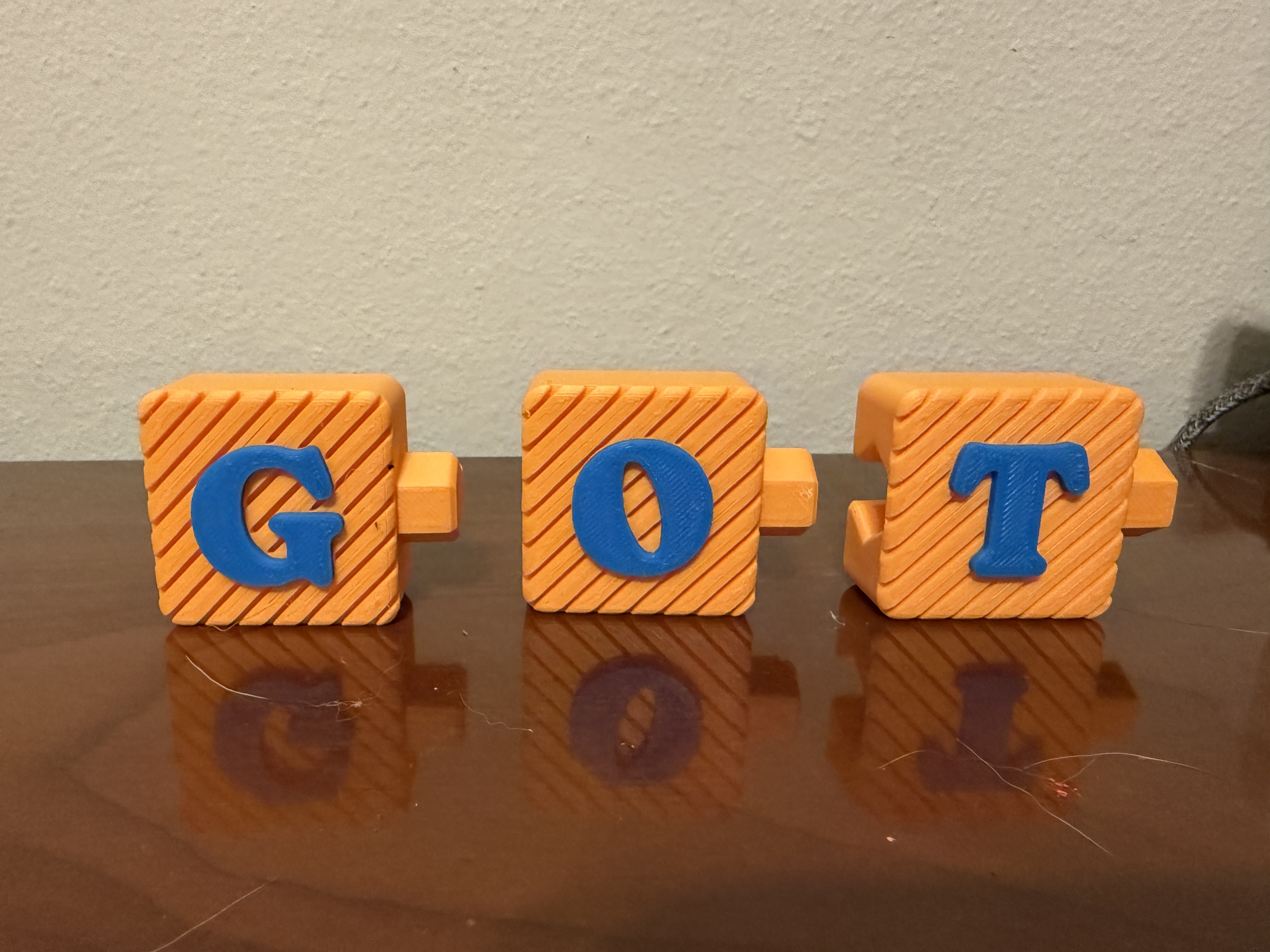
Snap-a-word Builders: Creating words brick by brick
In this hands-on phonics lesson, students explore short vowel sounds by building and manipulating CVC (consonant-vowel-consonant) words using 3D printed interlocking letter blocks. Students practice isolating, blending, and segmenting sounds…
April 20, 2026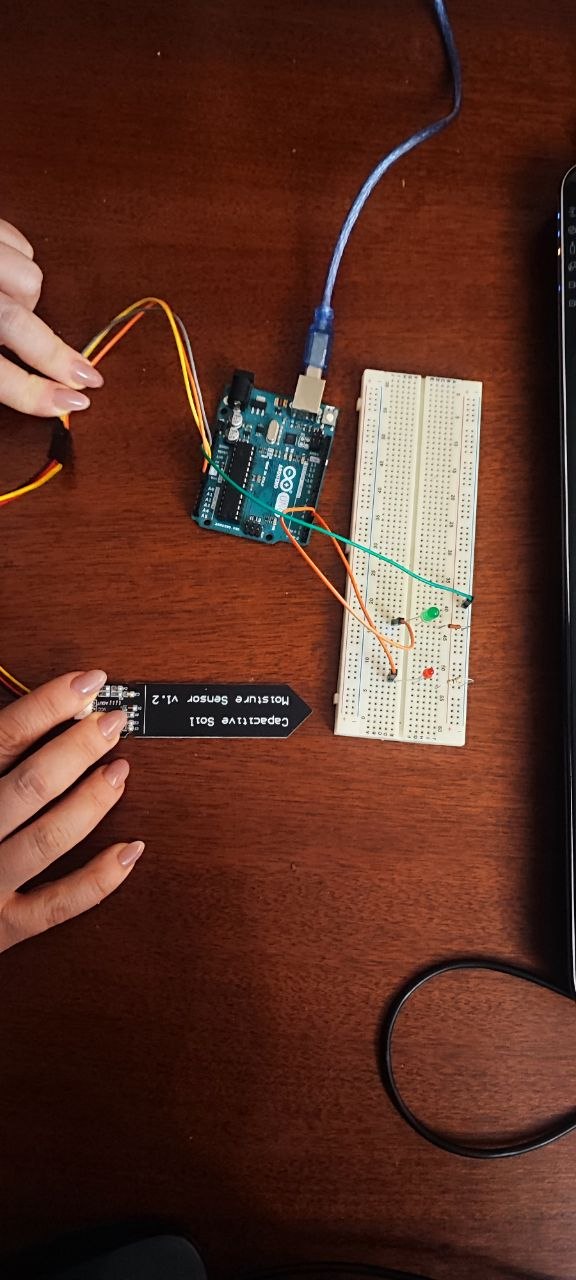
Plant Saver
During the lesson, students learn the basics of physical programming. The objective: create a simple system that will inform us about the condition of the soil in houseplants. This is…
April 19, 2026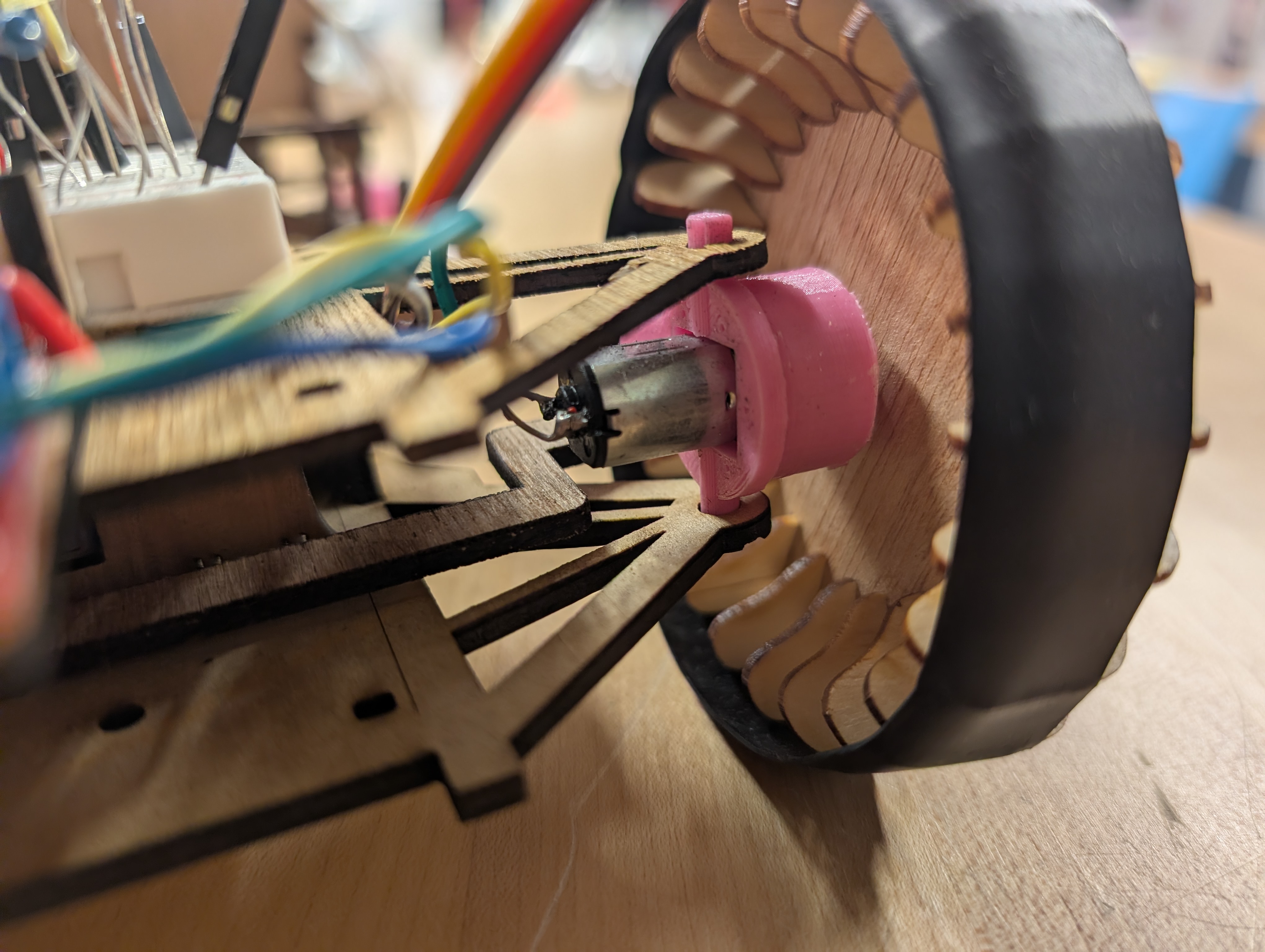
Popsicle Stick Presto
This project will lead a group of aspiring drivers through the steps to build a rolling chassis out of popsicle sticks, assemble it with a breadboard, Arduino uno, A motor…
April 19, 2026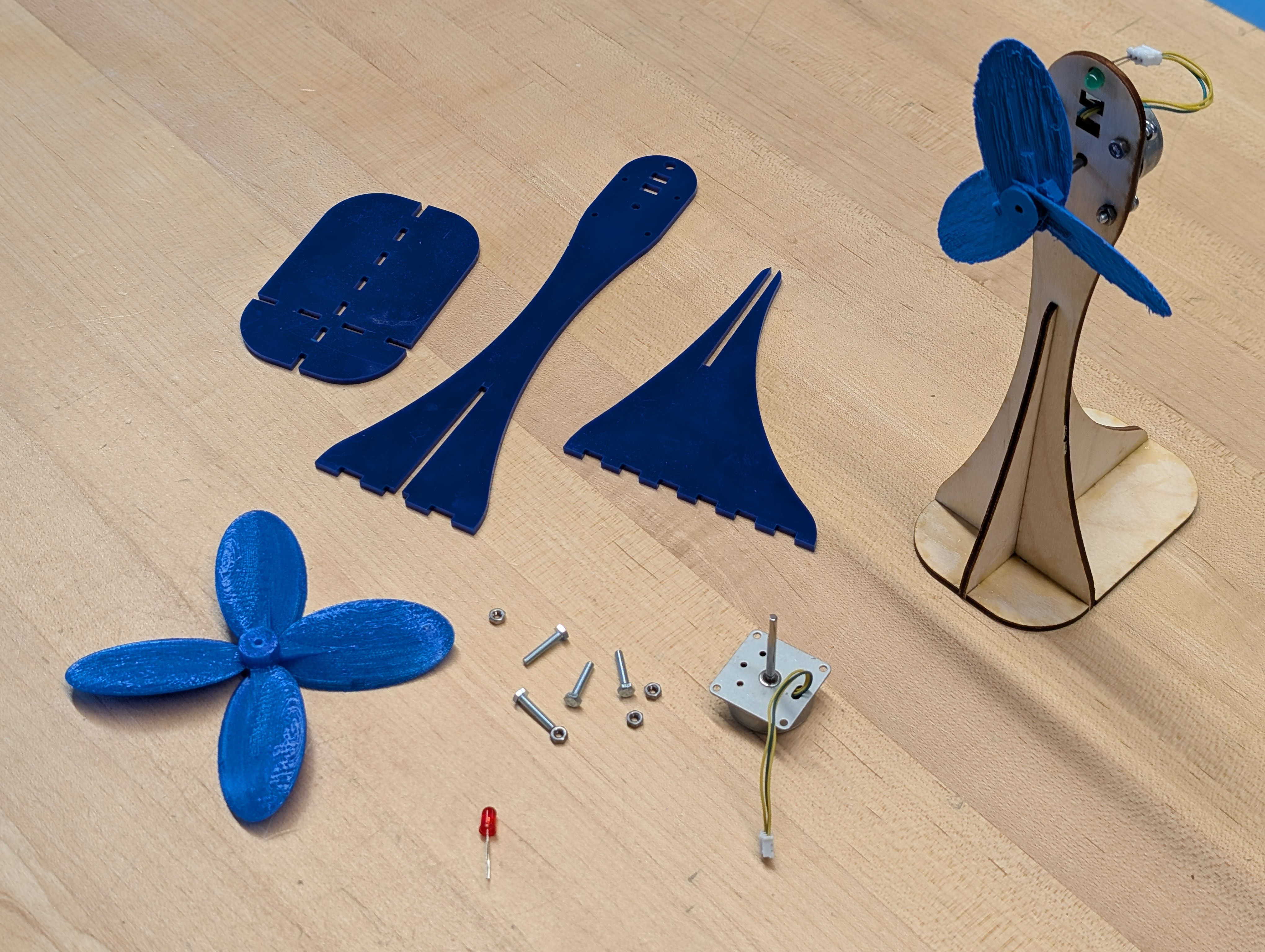
Way of the Wind Turbine
How does a wind turbine create electricity out of thin air? Prototype one and find out! In this lesson a miniature prototype will be designed and built to observe wind…
April 17, 2026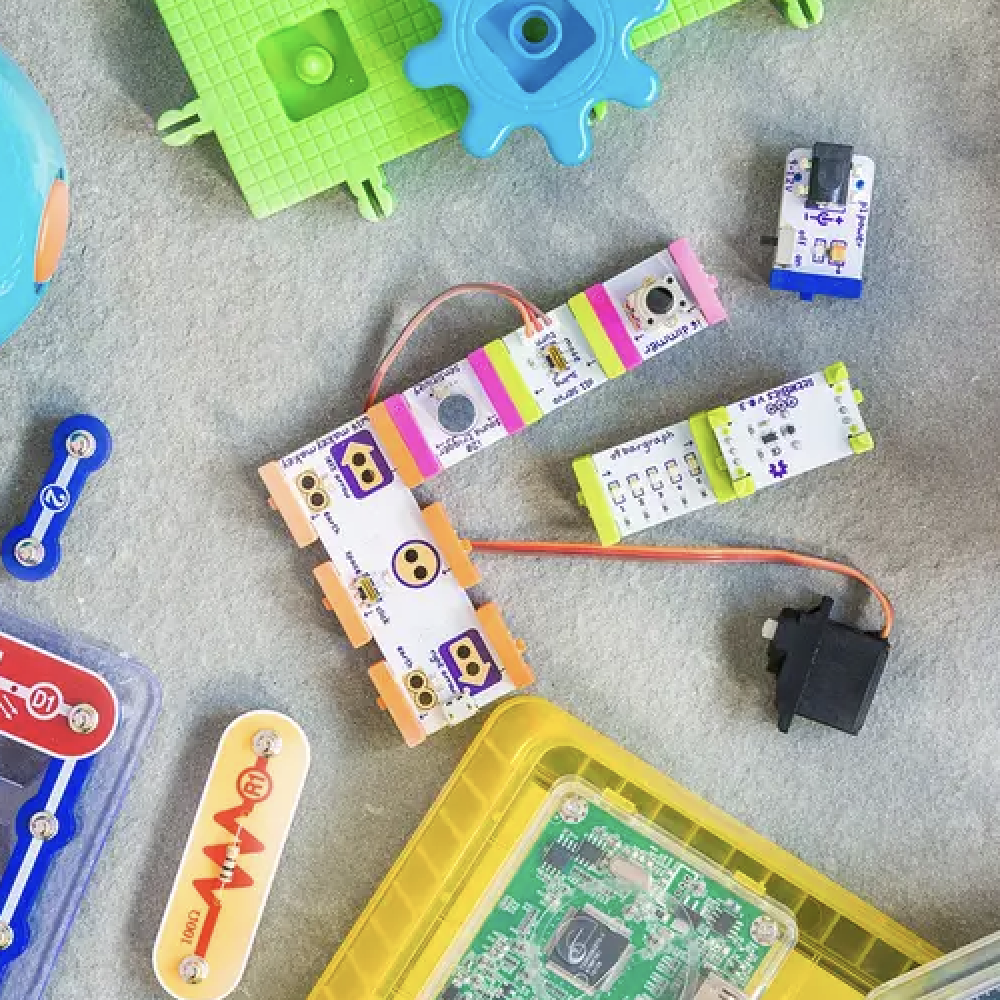
Educational Toy Design Challenge
This unit (6 lessons) immerses students in the full MYP Design Cycle through an authentic, real-world challenge: designing an age-appropriate educational toy. Students act as professional toy designers, researching early…
April 17, 2026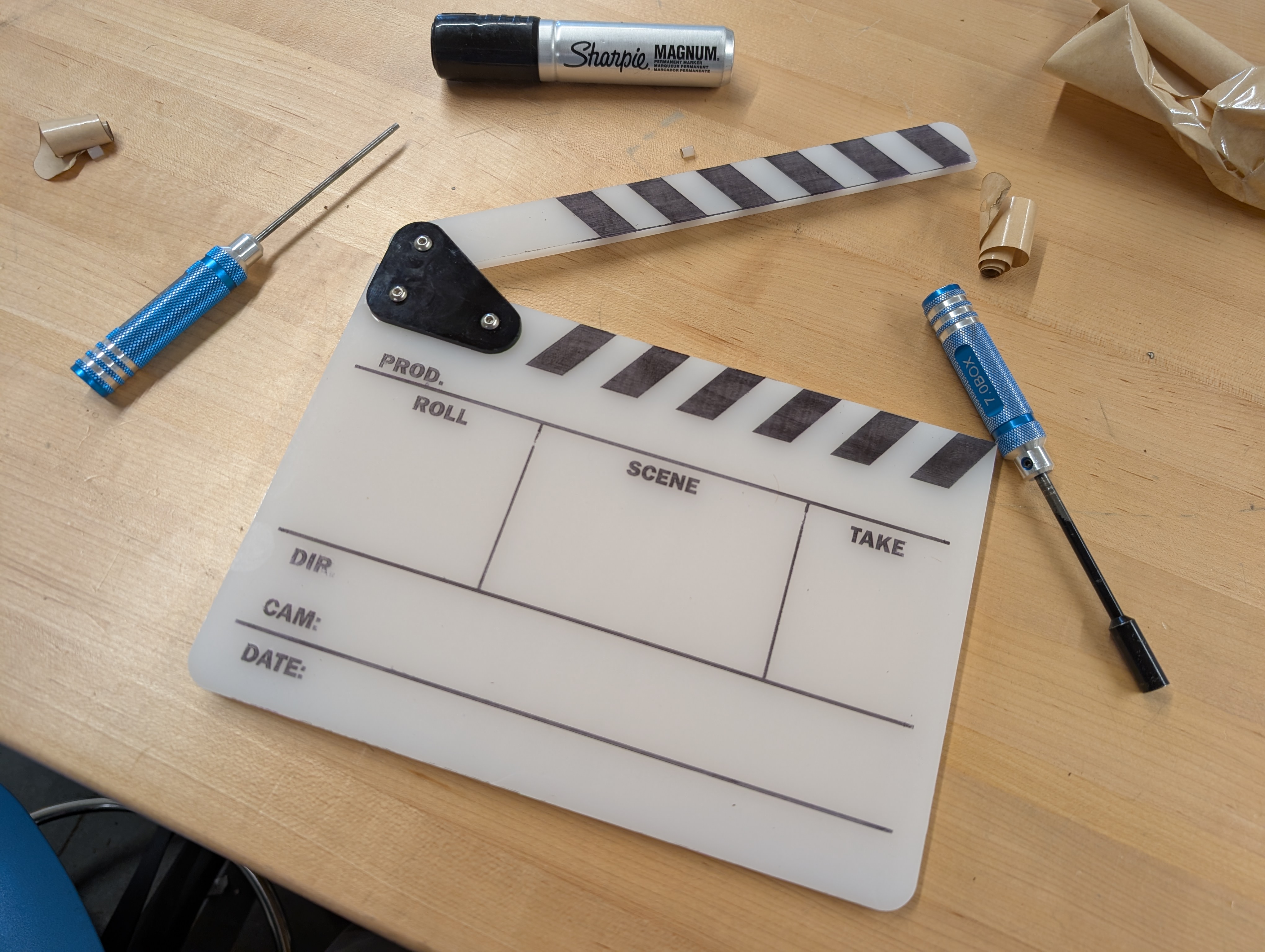
How to Not Take the Slate for Granted
This lesson is for instructing beginning video production students using multiple recording instruments for the first time, and will guide them through using a clapboard or “slate” to create an…
April 16, 2026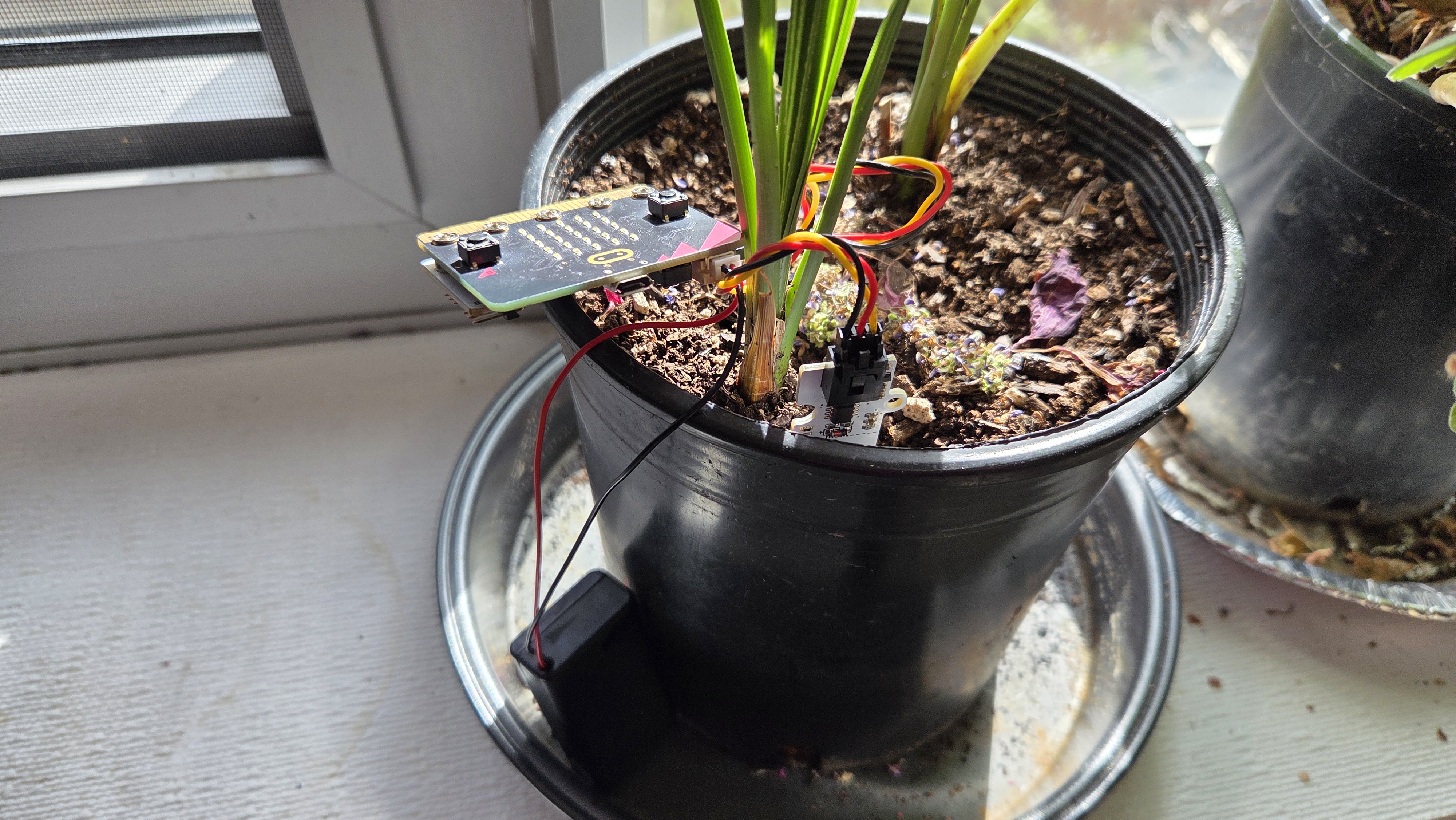
Plant Monitoring with micro:bit Sensors & Custom Potting
Students will design and grow a plant in a custom 3D-printed pot while building a micro:bit-based sensor system to monitor environmental conditions (light, temperature, and soil moisture). After researching their…
April 16, 2026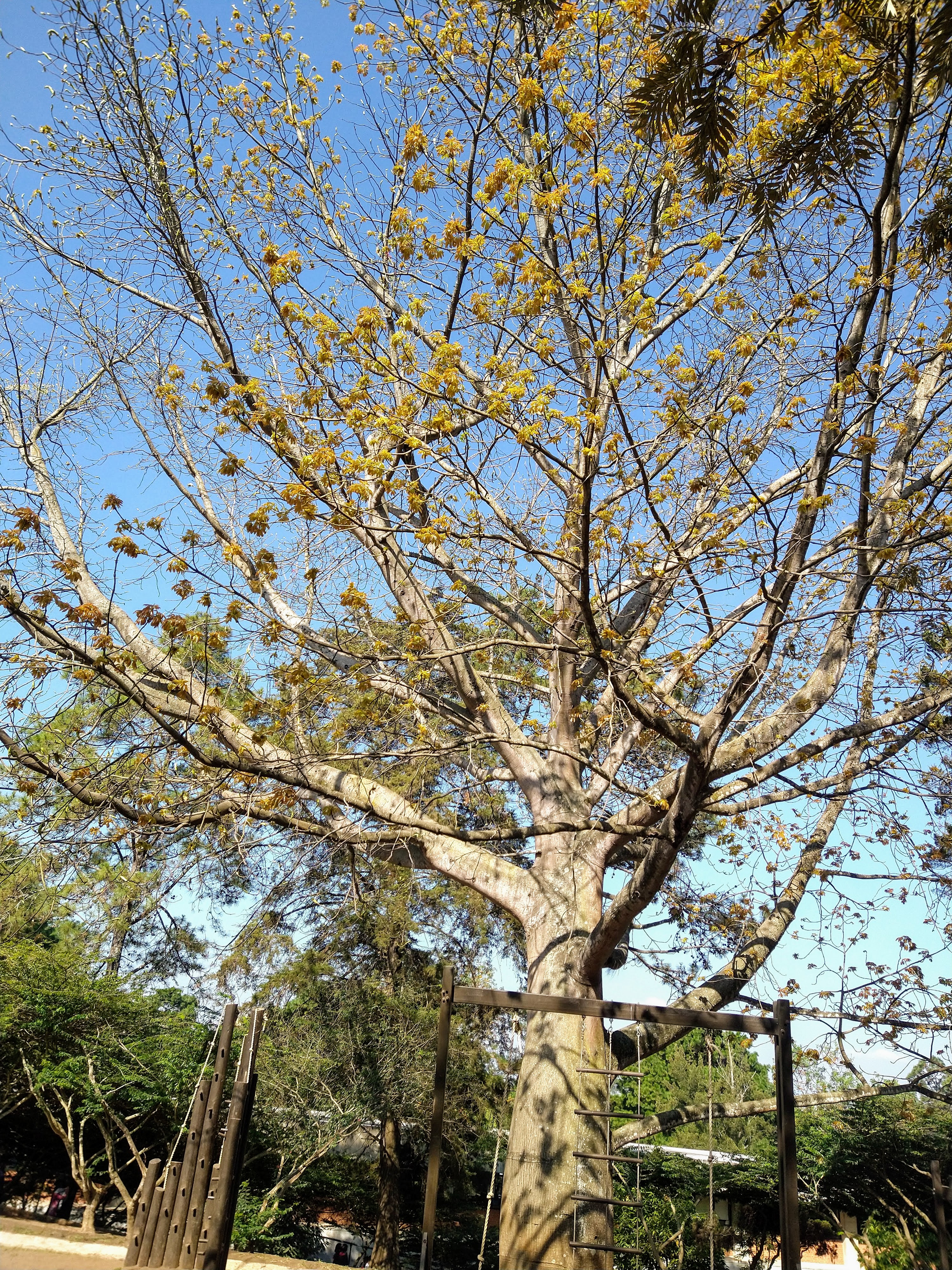
Biomimicry Prototype Project: Sustainable design inspired by rolly pollies
In this lesson, 3rd grade students will observe and study characteristics and patterns found in nature that can be imitated to solve real-world problems. This approach is called biomimicry. As…
April 14, 2026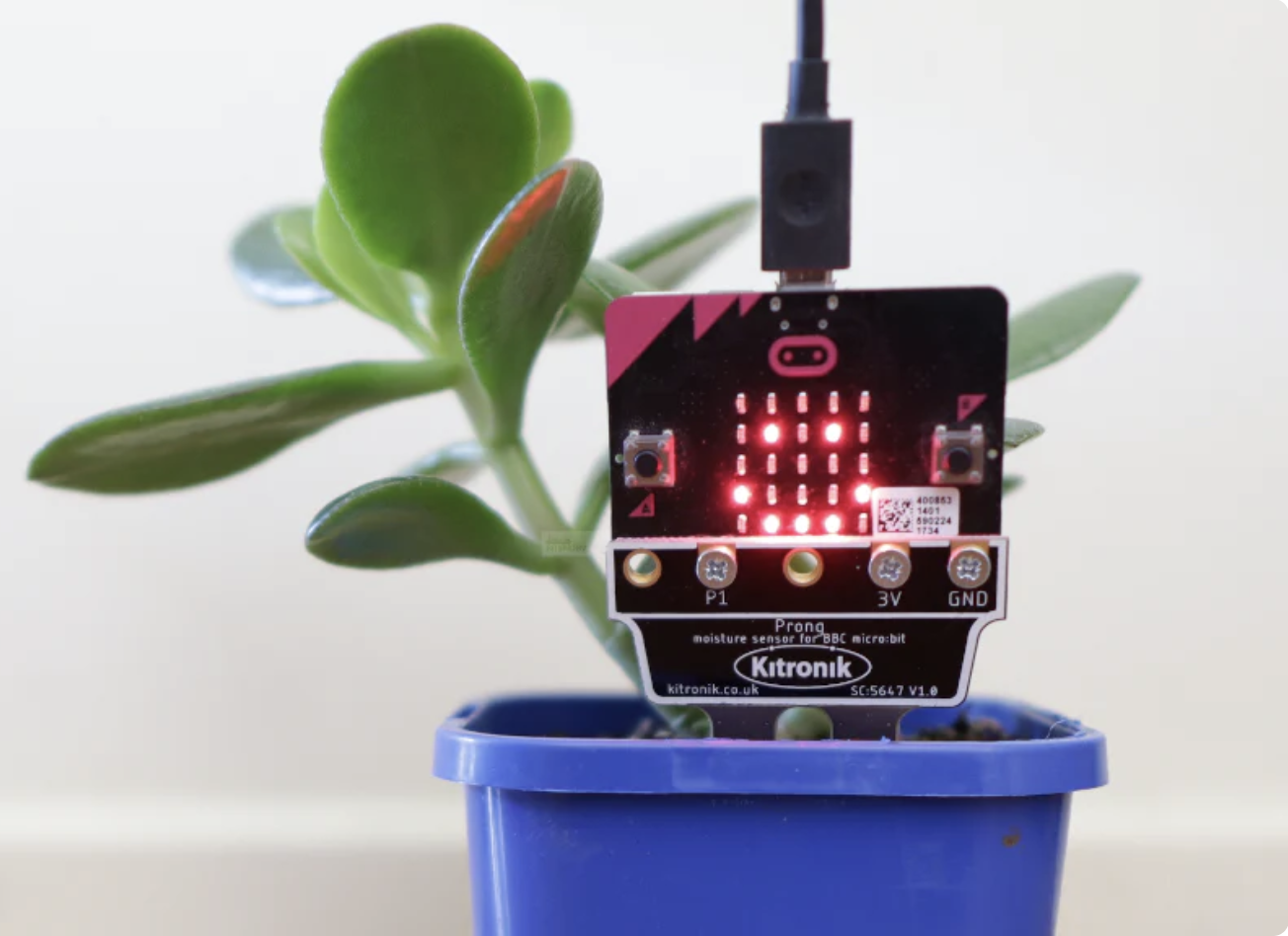
SMART PLANT SYSTEMS (MICRO:BIT + 3D DESIGN)
Students will design and grow a plant in a custom 3D-printed pot while building a micro:bit-based sensor system to monitor environmental conditions (light, temperature, and soil moisture). They will use…
April 13, 2026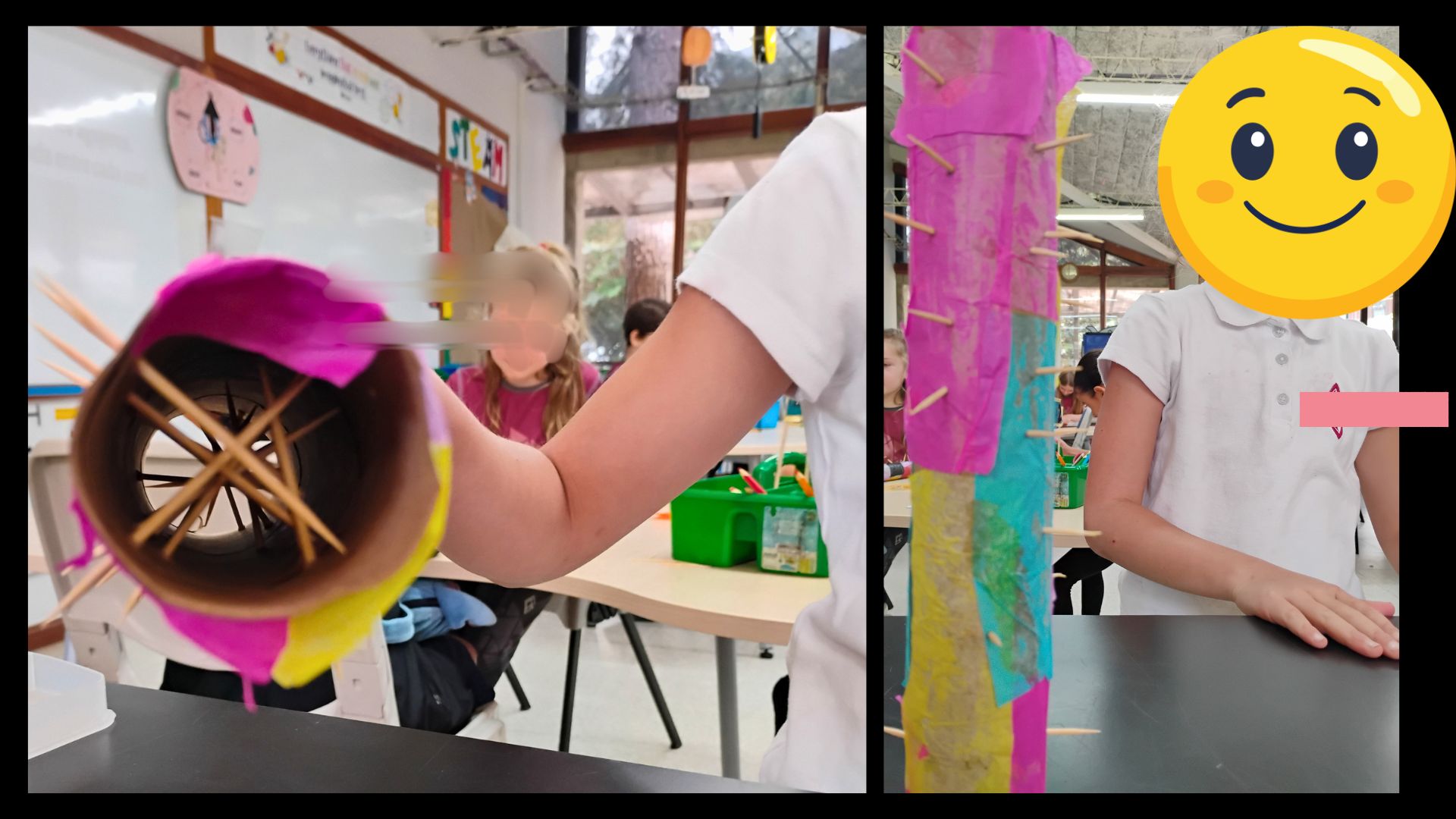
The Magic of Sound: Rainstick Resonance Lab
This project combines physical computing with music, science, art, and math. It uses a micro:bit to detect the ideal sound of a rain stick and react two ways: “rain-like” sound…
April 13, 2026
Agro-Tech Dome قبة التكنولوجيا الزراعية
يستكشف المشاركون كيف يمكن للتكنولوجيا أن تدعم الزراعة المستدامة والحفاظ على الأعشاب والنباتات المحلية. من خلال أنشطة عملية، يقوم المتعلمون بتصميم وبناء قبة زراعية (Agri-Dome) باستخدام النمذجة ثلاثية الأبعاد والطباعة…
April 13, 2026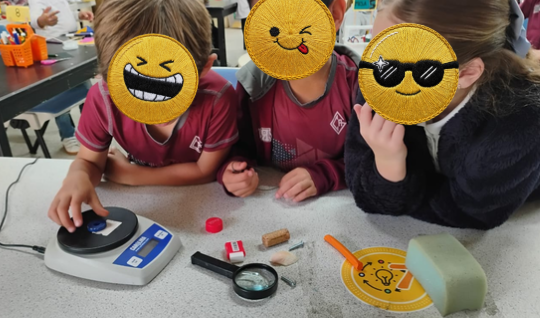
The Magic of Sound: Rain Stick Resonance Lab
This project combines physical computing with music, science, art, and math. It uses a micro:bit to detect the ideal sound of a rain stick and react two ways: “rain-like” sound…
April 13, 2026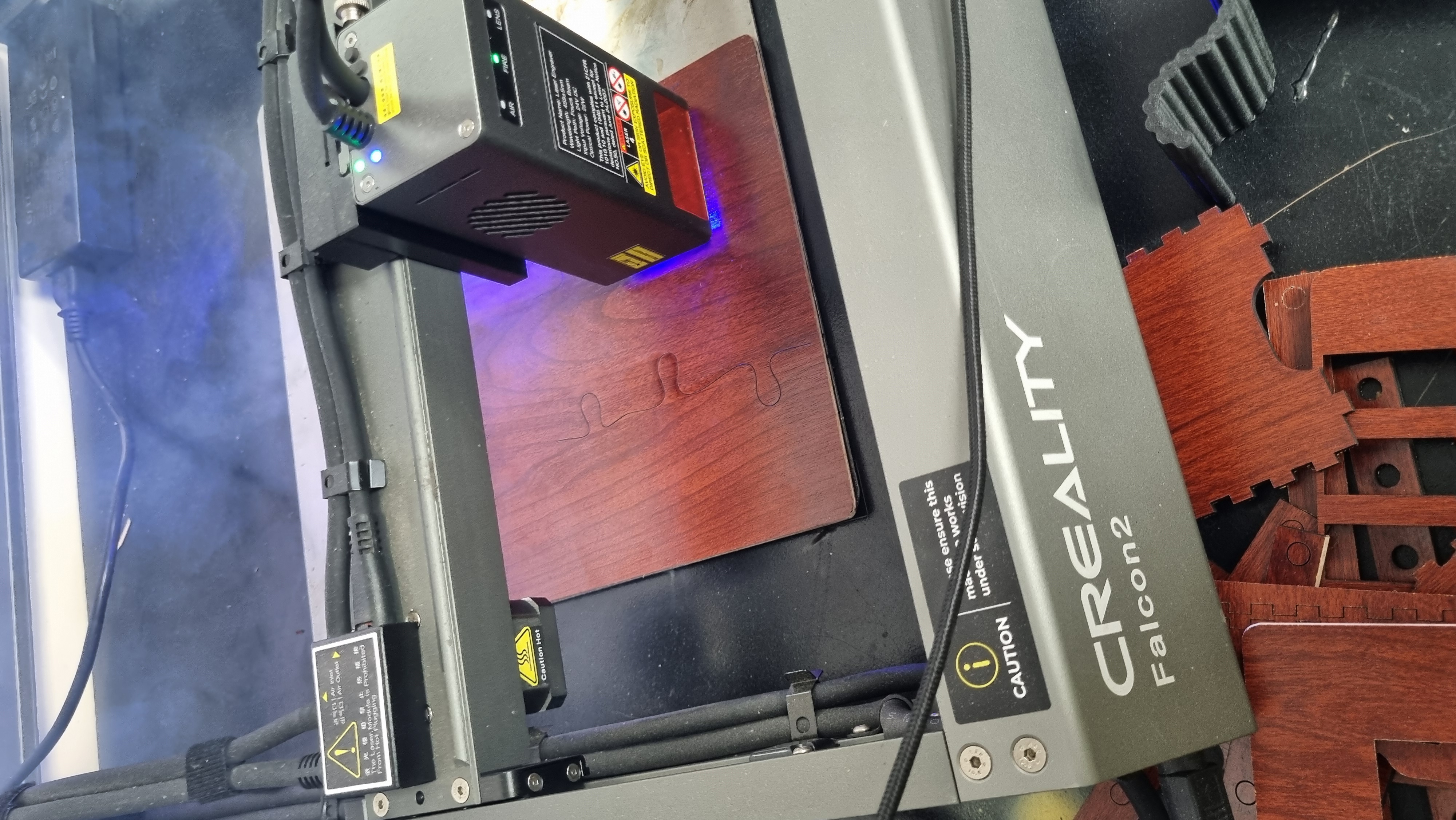
Technology and Ecosystems
In elementary, we try to have classes work together to give students the opportunity to have integrated, meaningful learning. During this unit, the kids from second grade were learning about…
April 13, 2026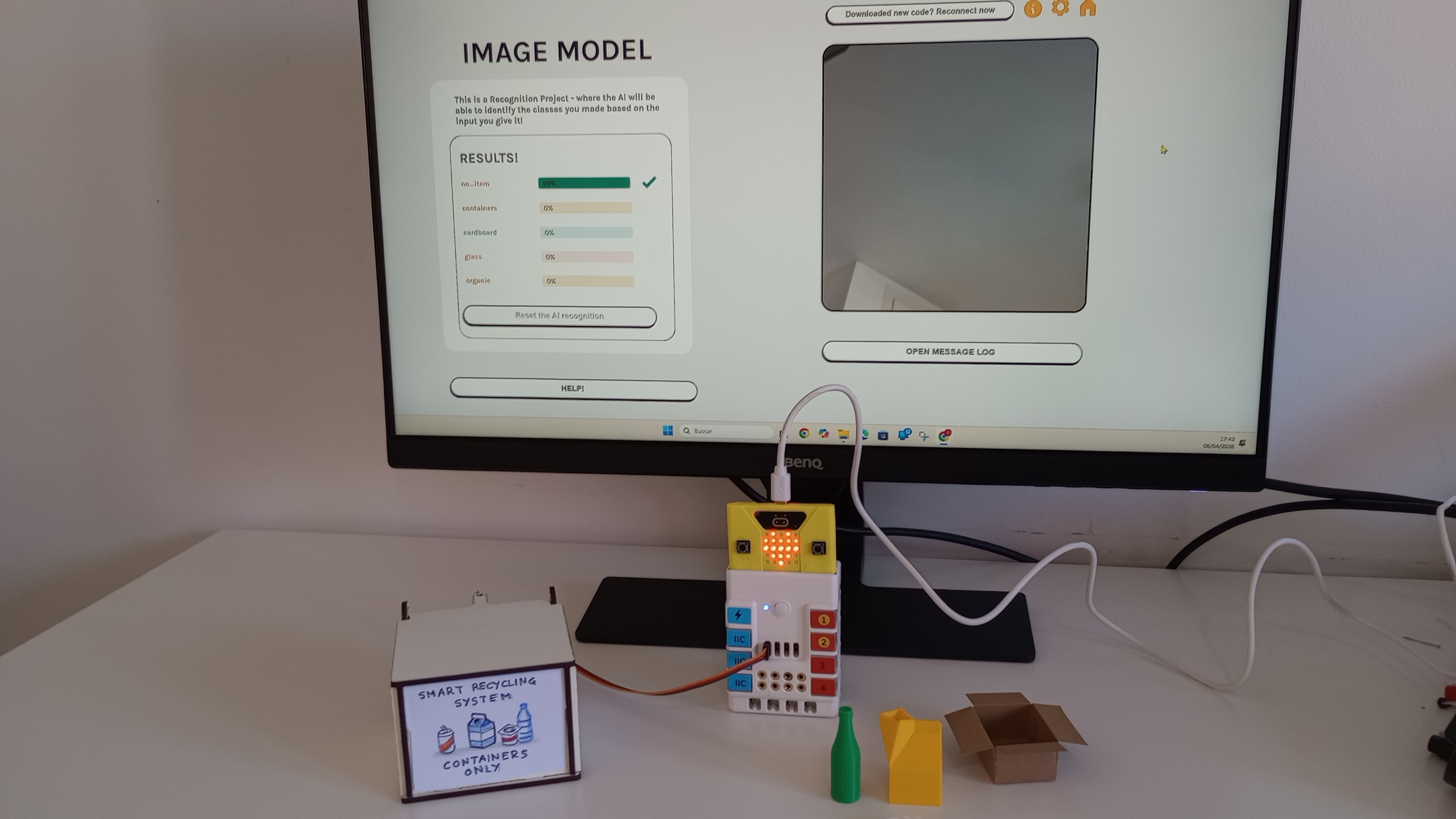
Smart Recycling System: Building an AI-powered bin
Students build, and program a smart recycling bin that automatically opens when a specific type of waste is recognised. Using a Micro:bit, a servo motor, and a machine learning model…
April 11, 2026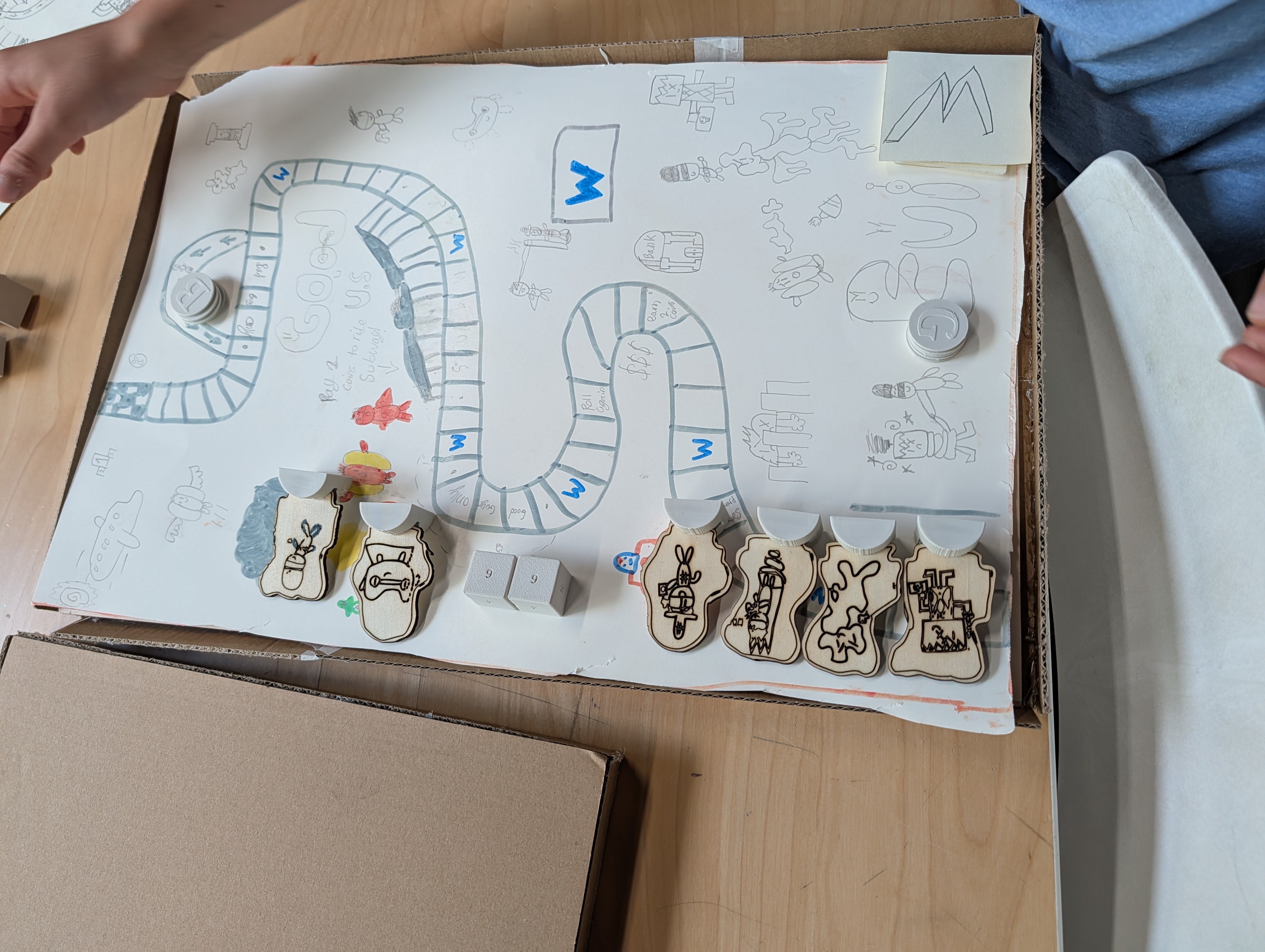
Interactive Electronic Board Game
Your students will use probability, design and technology to create their own unique board game.
April 10, 2026STANDARDS-ALIGNED
Community contributed lessons aligned with Common Core State Standards (CCSS) and Next Generation Science Standards (NGSS) offer formal educators innovative pathways to teaching content knowledge. The Fab I Can Statements are a resource to develop technology-literate learning progressions to align with content standards.
FAB TESTED
Periodically lessons are adapted and tested by the Fab Foundation team based on a call for submissions from fabbers, educators, and makers. Our inaugural set of lessons for the SCOPES-DF project were Fab Tested in 2016 and are tagged Fab Tested on the website.
OPEN-SOURCE VALUES
Lessons are distributed under a Creative Commons CC BY-NC license, that permits free use and re-purposing by others.