
The Fabricademy Lesson Collection is about creating a bridge between fabrics and electronics. Consisting of various types of projects, these lessons can be used to create an understanding of basic e-textile concepts. At the same time this collection will be a gateway into becoming familiar with terms and techniques used in advanced e-textiles to peak your interest.
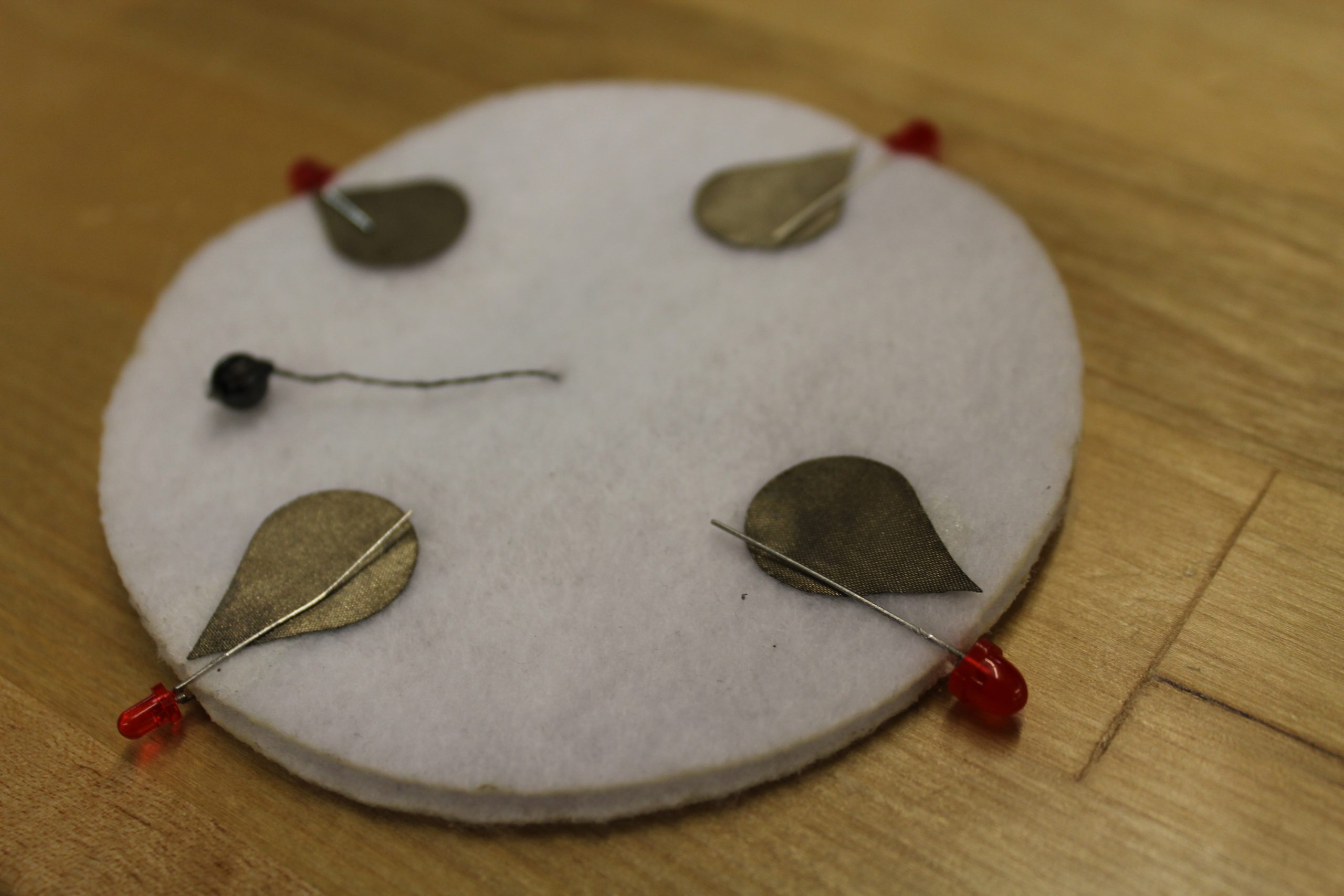
FABRIC SENSOR: TILT SENSOR
In this lesson we will create a fabric pressure sensor. A pressure sensor is a circuit that can display our orientation by visual representation. Using a metal bead and “hot…
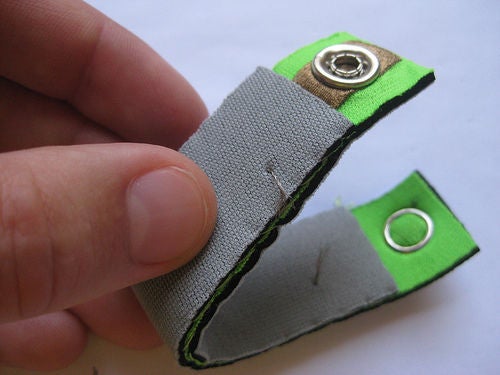
FABRIC SENSOR: BEND SENSOR
WHAT IS A BEND SENSOR In this lesson we will create a fabric bend sensor. A bend sensor is a circuit created when a piece of resistive fabric is sandwiched between…
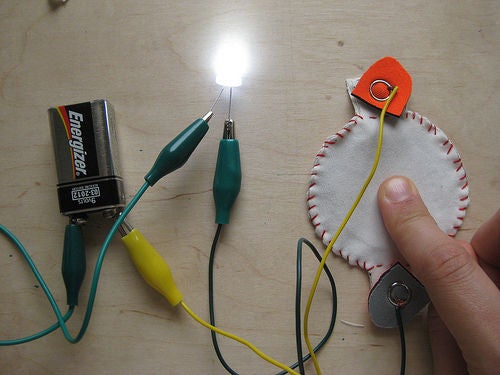
FABRIC SENSOR: PRESSURE SENSOR
WHAT IS A PRESSURE SENSOR In this lesson we will create a fabric pressure sensor. A pressure sensor is a circuit created when a piece of resistive fabric is sandwiched between…
About Oyedotun (Oye)
I like to consider myself as a product designer. I studied mechanical engineering and applied the principles of engineering into the things I like. Currently I teach in the 3D Experience Lab’s Fabricademy node working in digital fabrication, textiles, fabric science, and electronics.

About Fabricademy
Fabricademy is a transdisciplinary course offered by the Fab Foundation that focuses on the development of new technologies applied in the textile industry, in its broad range of applications, from the fashion industry to the upcoming wearable market. The two phase program will last 6 months, with approximately 3 months of seminars and learning modules and three months focusing on individual in depth applied project research. Fabricademy offers a decentralized rather than isolated educational model: students learn in local workgroups, with peers, mentors, and machines, which are then connected globally by content sharing and video for interactive classes. The individual labs are supported and supervised regionally by supernode sites with more advanced capabilities, expertise, and inventories.
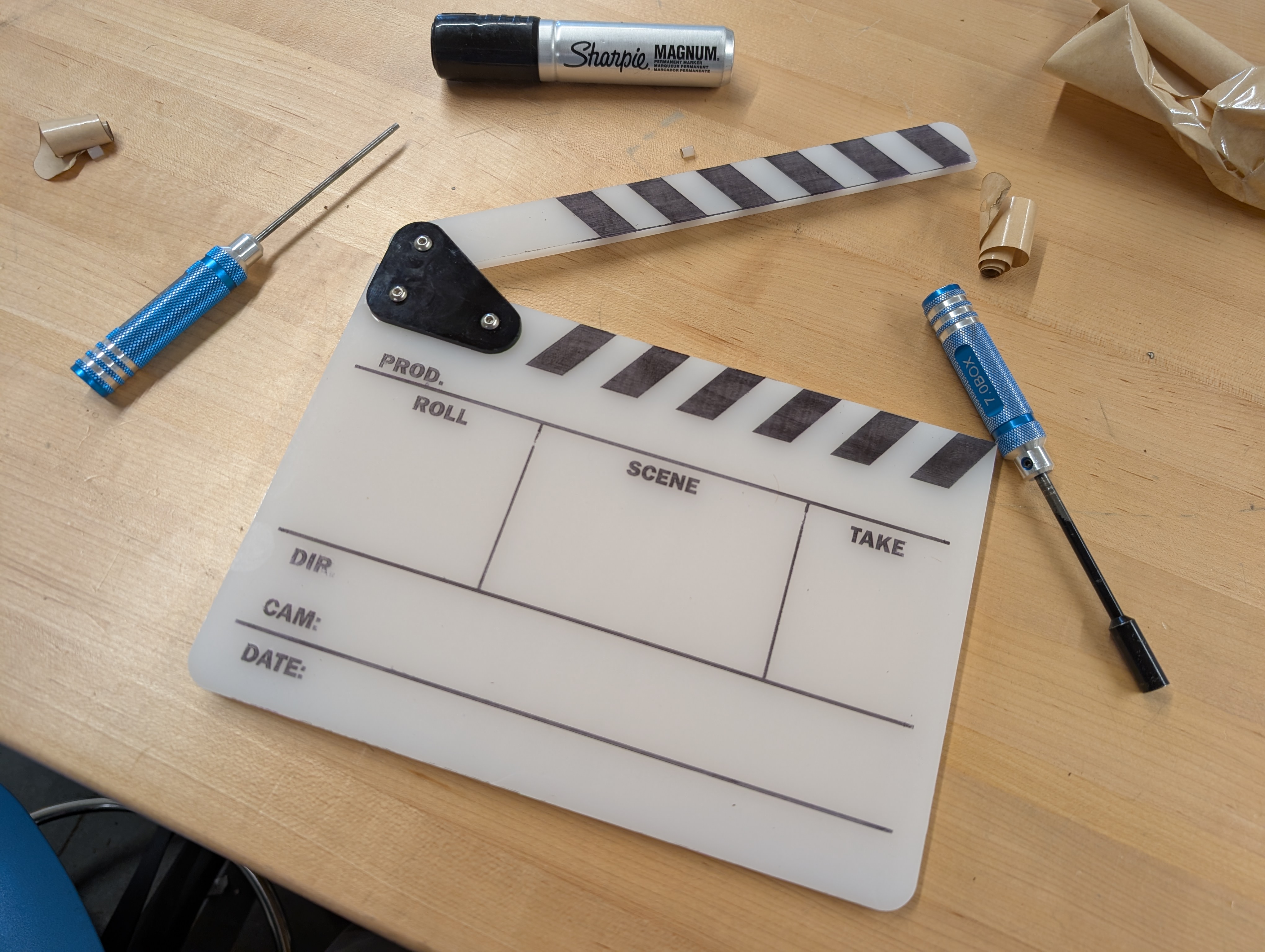
How to Not Take the Slate for Granted
This lesson is for instructing beginning video production students using multiple recording instruments for the first time, and will guide them through using a clapboard or “slate” to create an…
April 16, 2026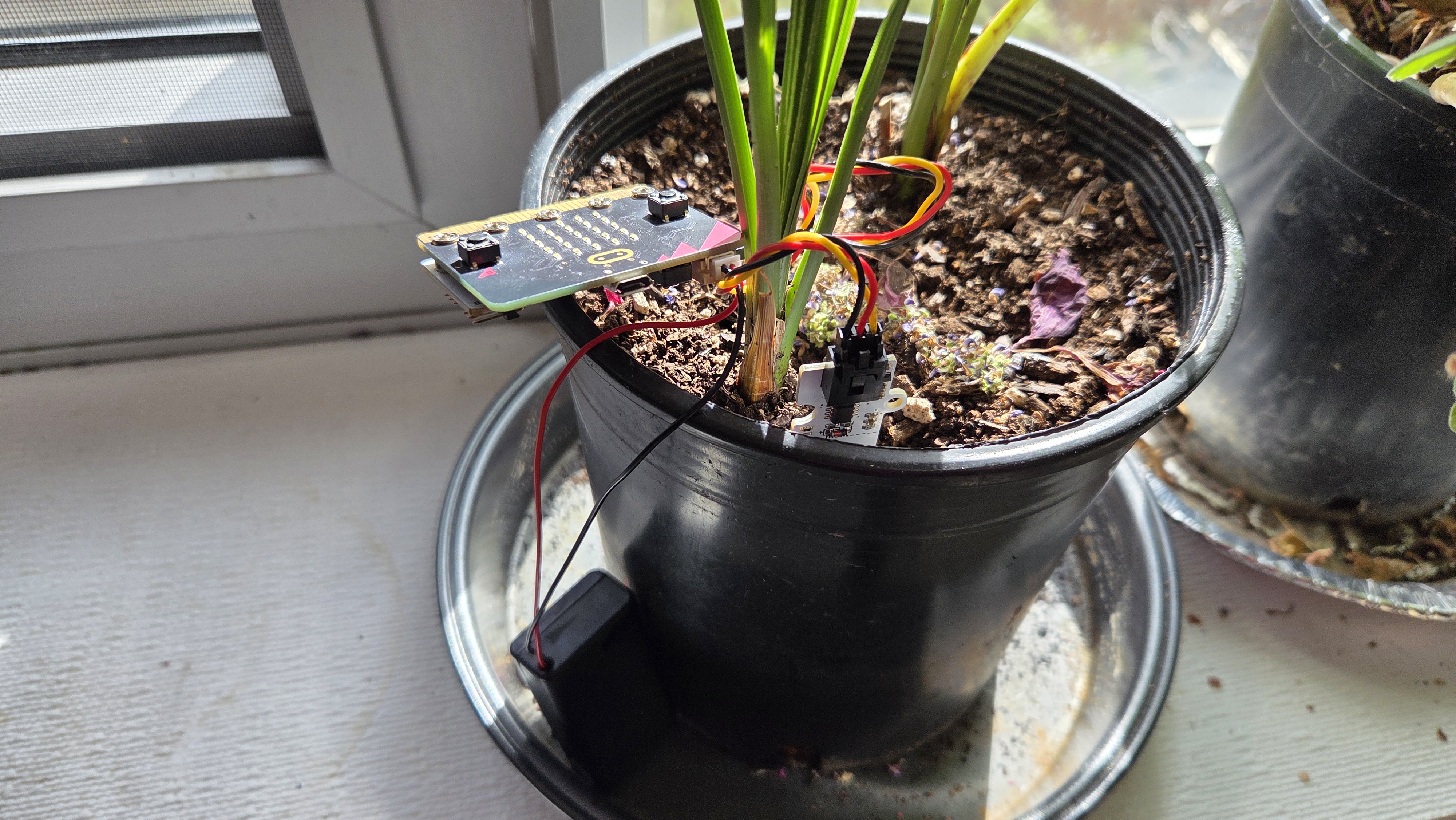
Plant Monitoring with micro:bit Sensors & Custom Potting
Students will design and grow a plant in a custom 3D-printed pot while building a micro:bit-based sensor system to monitor environmental conditions (light, temperature, and soil moisture). After researching their…
April 16, 2026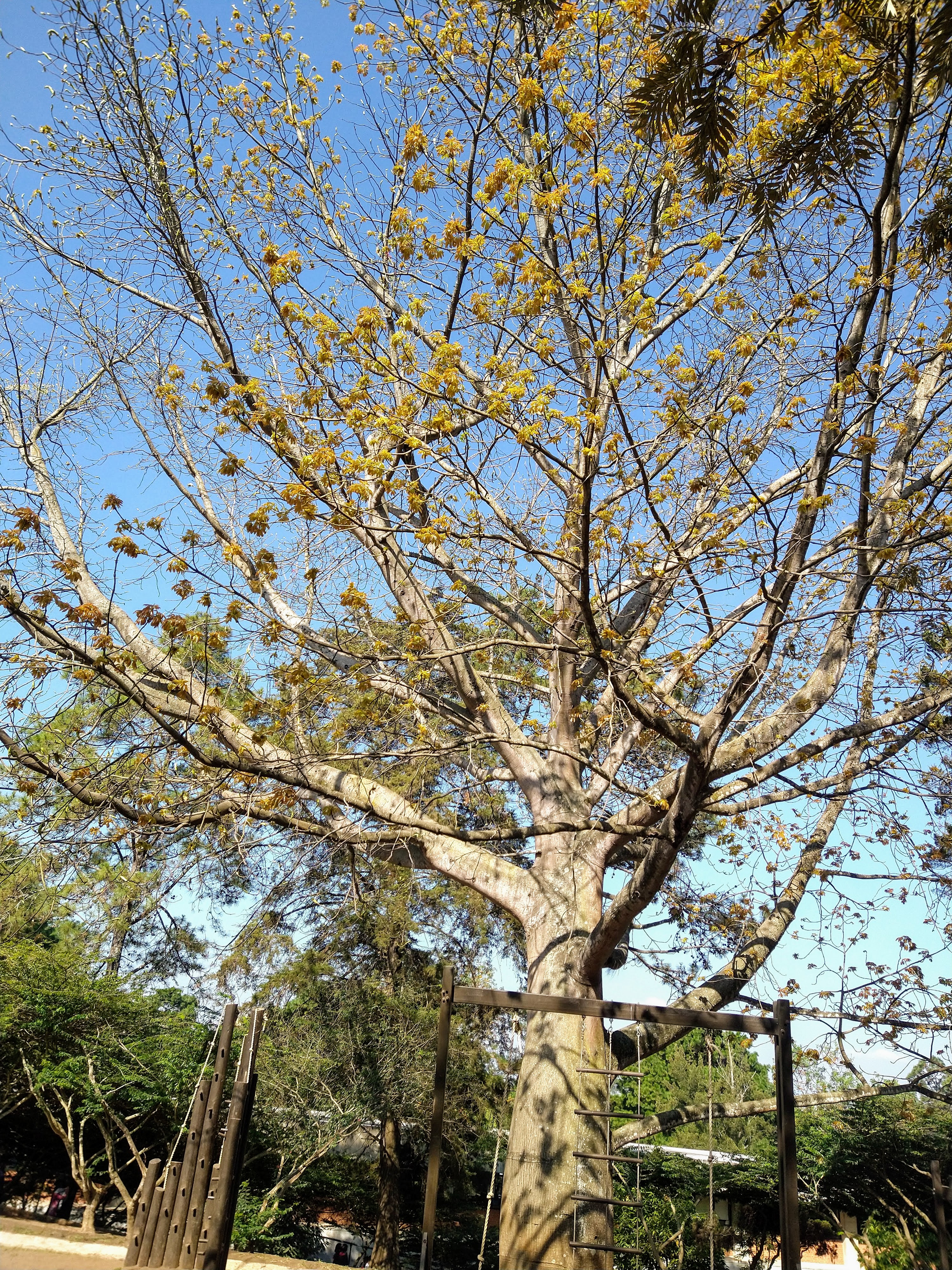
Biomimicry Prototype Project: Sustainable Design Inspired by Rolly Pollies
In this lesson, 3rd grade students will observe and study characteristics and patterns found in nature that can be imitated to solve real-world problems. This approach is called biomimicry. As…
April 14, 2026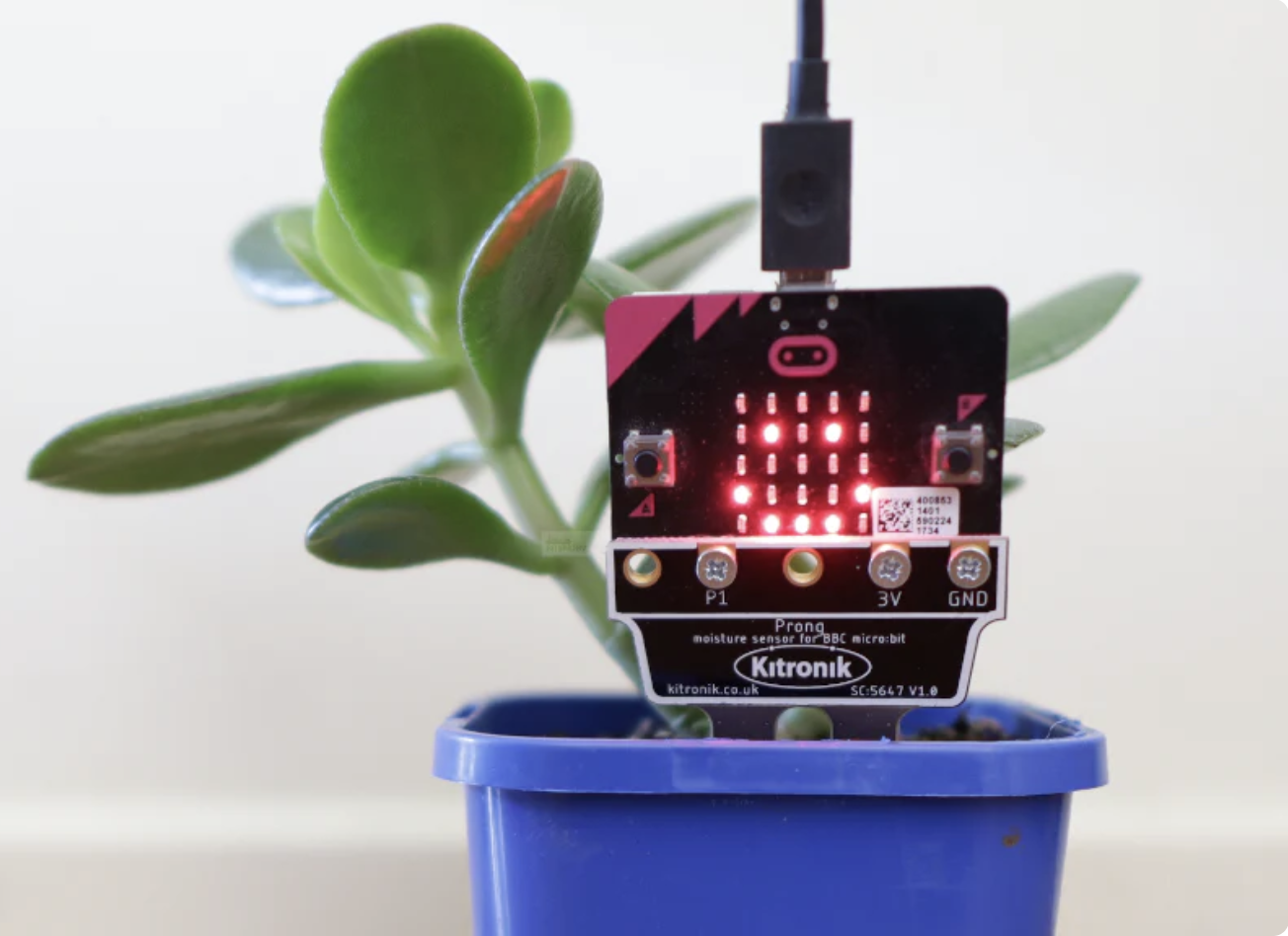
SMART PLANT SYSTEMS (MICRO:BIT + 3D DESIGN)
Students will design and grow a plant in a custom 3D-printed pot while building a micro:bit-based sensor system to monitor environmental conditions (light, temperature, and soil moisture). They will use…
April 13, 2026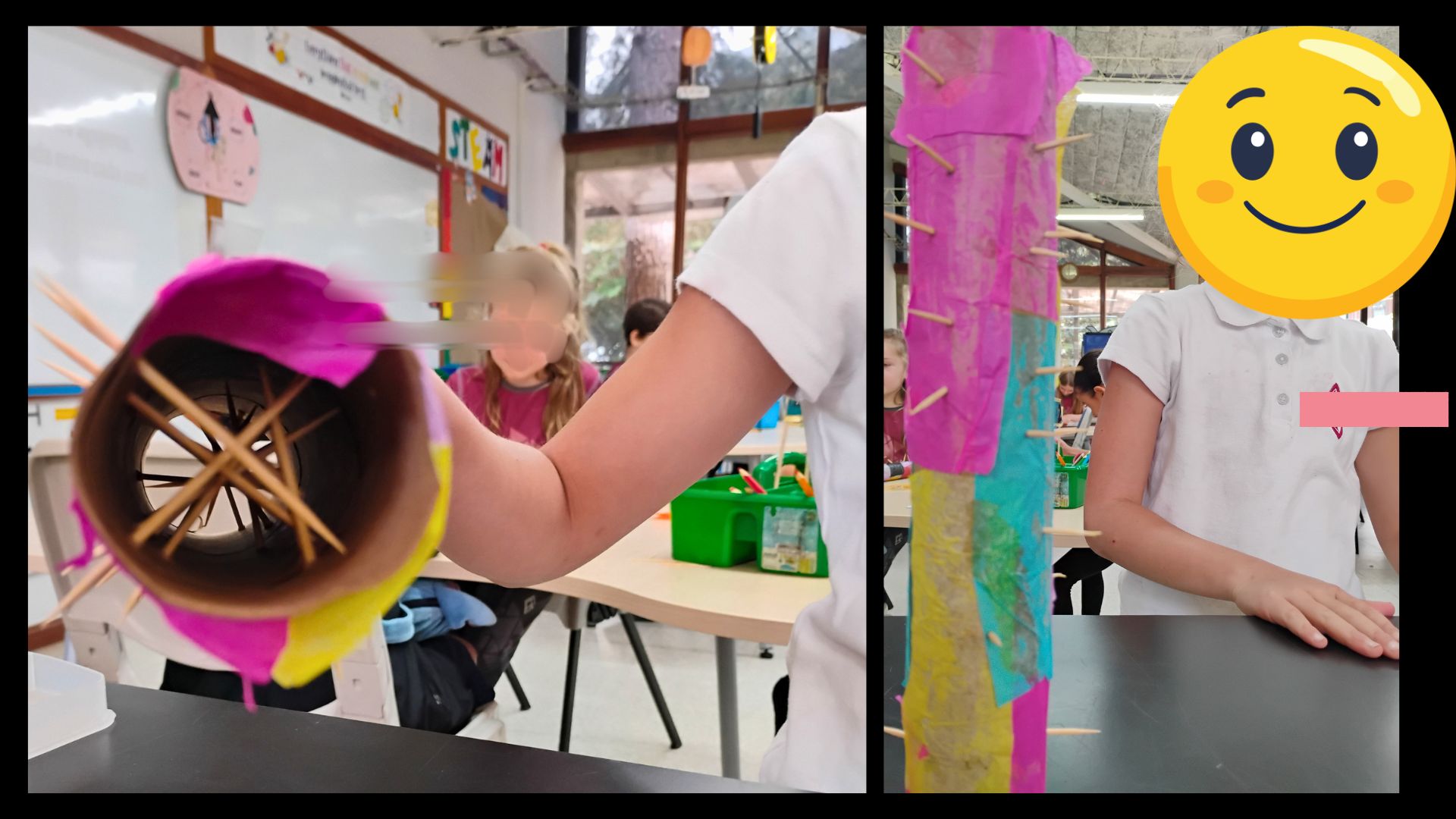
The Magic of Sound: Rainstick Resonance Lab
This project combines physical computing with music, science, art, and math. It uses a micro:bit to detect the ideal sound of a rain stick and react two ways: “rain-like” sound…
April 13, 2026
Agro-Tech Dome قبة التكنولوجيا الزراعية
يستكشف المشاركون كيف يمكن للتكنولوجيا أن تدعم الزراعة المستدامة والحفاظ على الأعشاب والنباتات المحلية. من خلال أنشطة عملية، يقوم المتعلمون بتصميم وبناء قبة زراعية (Agri-Dome) باستخدام النمذجة ثلاثية الأبعاد والطباعة…
April 13, 2026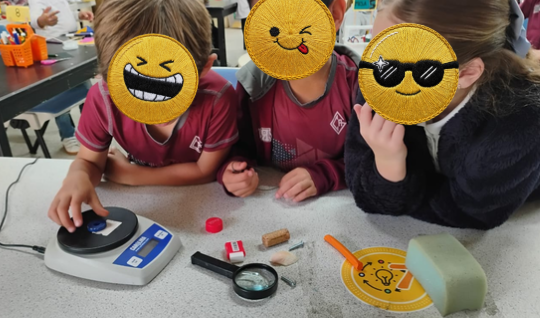
The Magic of Sound: Rain Stick Resonance Lab
This project combines physical computing with music, science, art, and math. It uses a micro:bit to detect the ideal sound of a rain stick and react two ways: “rain-like” sound…
April 13, 2026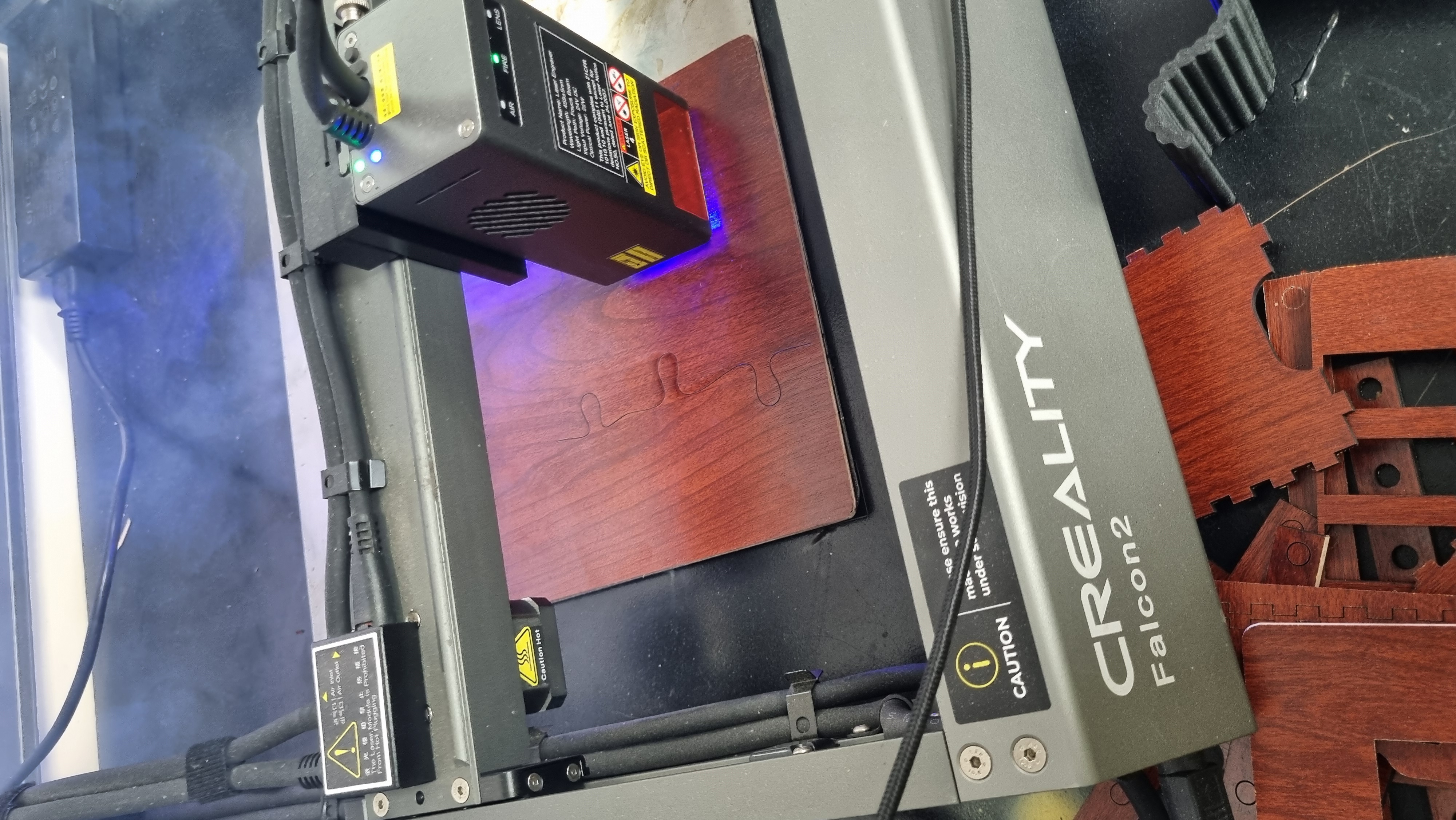
Technology and Ecosystems
In elementary, we try to have classes work together to give students the opportunity to have integrated, meaningful learning. During this unit, the kids from second grade were learning about…
April 13, 2026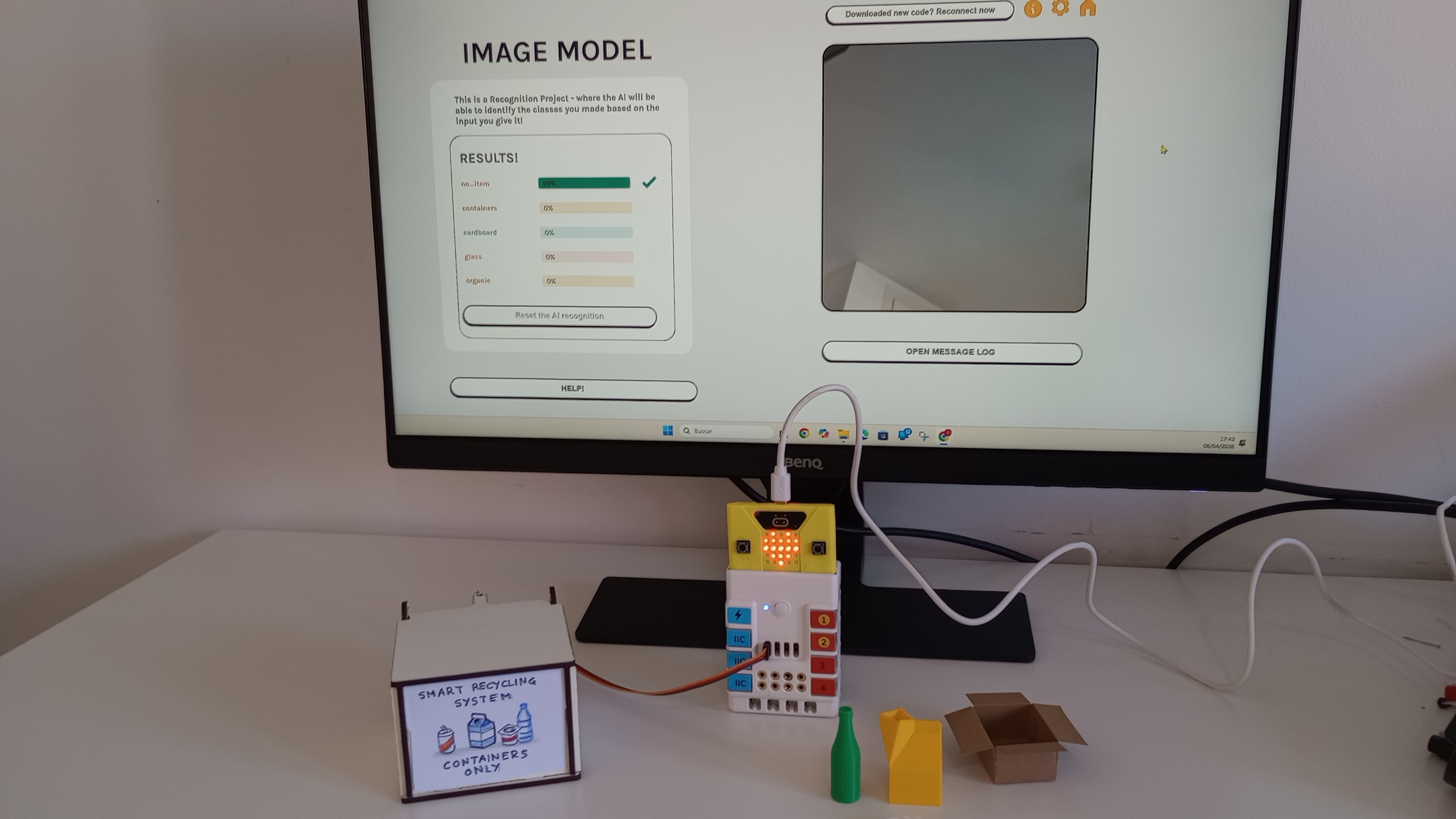
Smart Recycling System: Building an AI-powered bin
Students build, and program a smart recycling bin that automatically opens when a specific type of waste is recognised. Using a Micro:bit, a servo motor, and a machine learning model…
April 11, 2026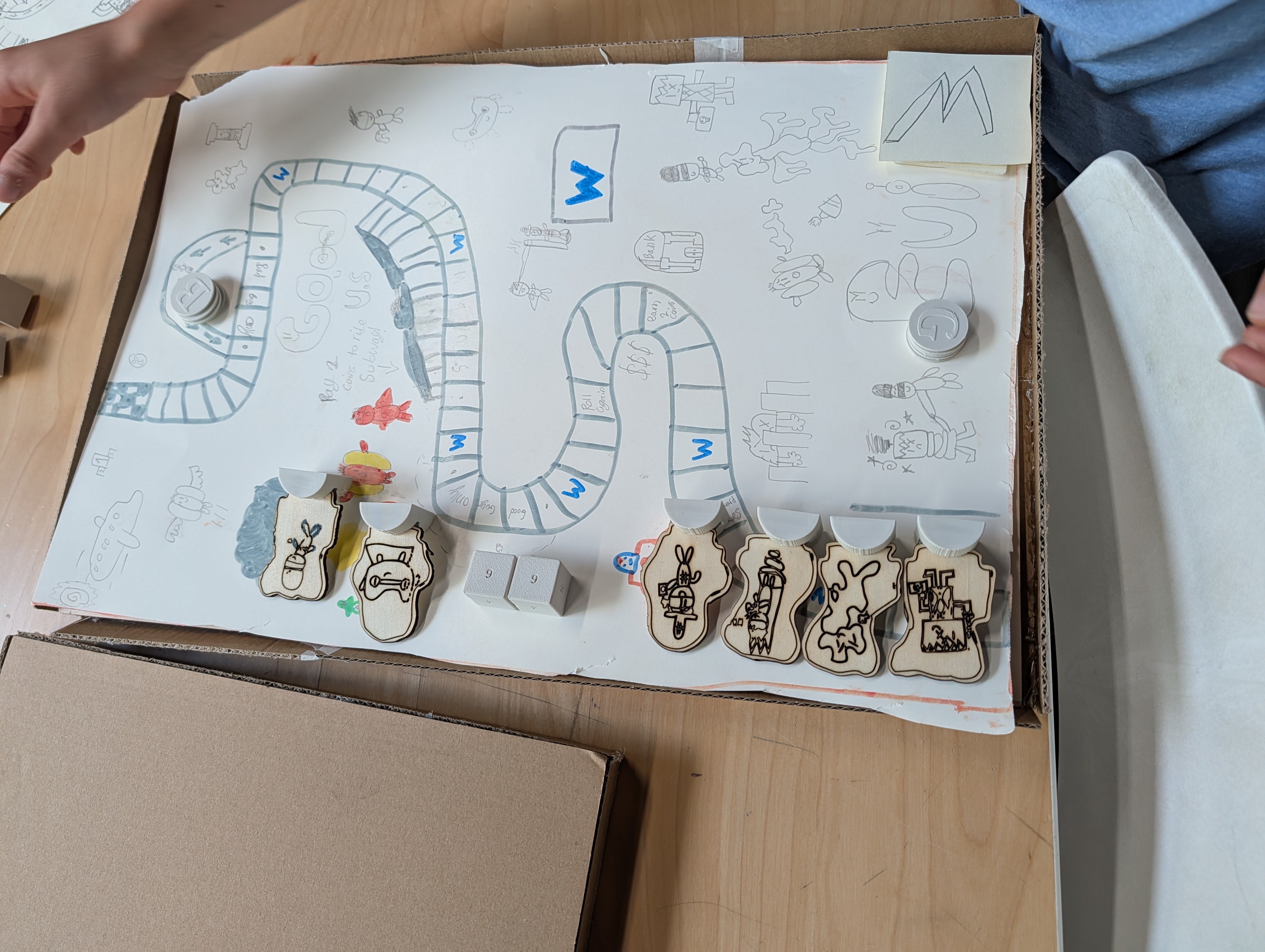
Interactive Electronic Board Game
Your students will use probability, design and technology to create their own unique board game.
April 10, 2026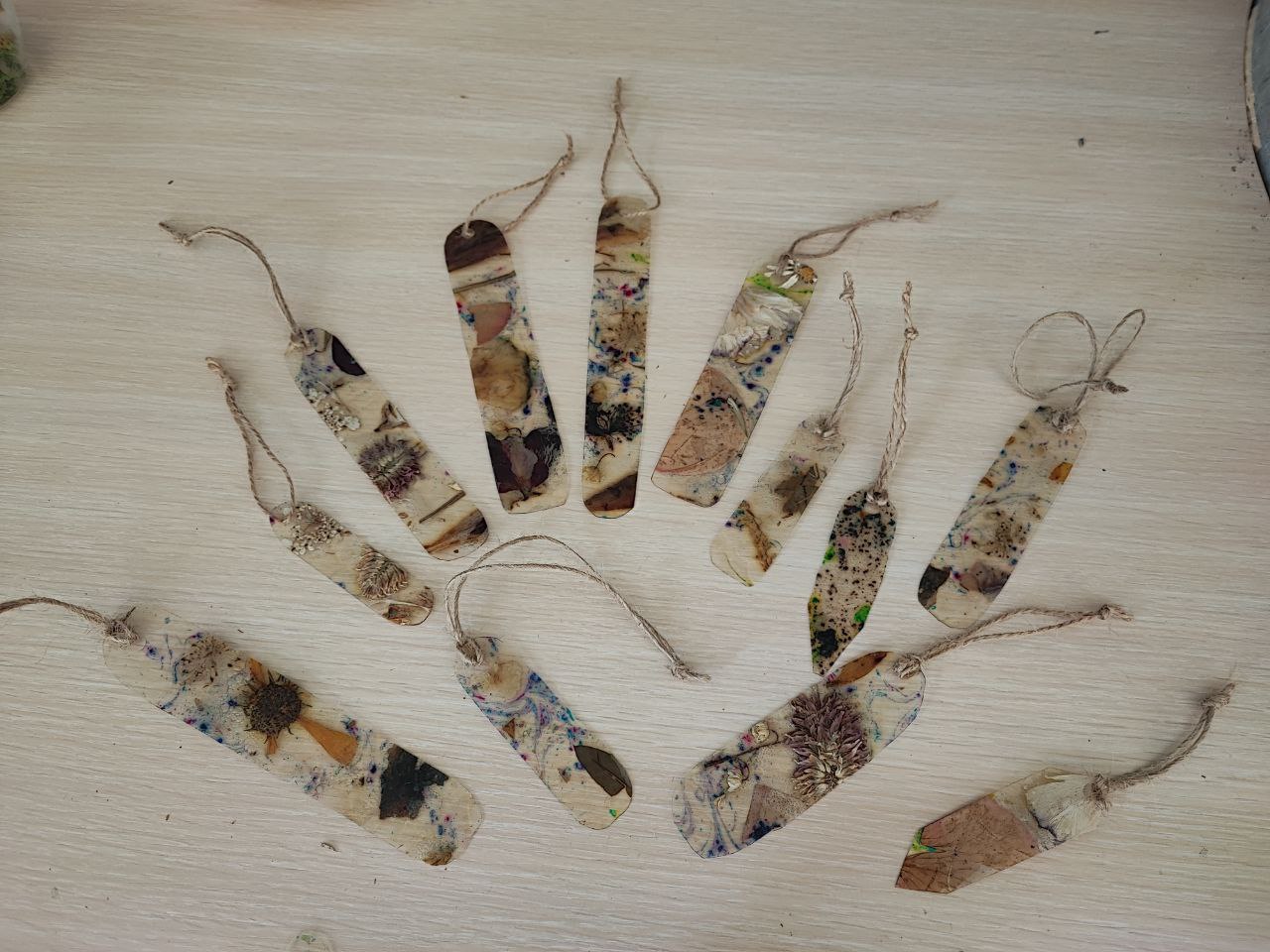
BOOKmarks for BookDay
In this lesson, students will become familiar with the concept of biomaterials, their types, and differences. They will learn how to make biomaterials and correctly calculate proportions. The final product…
April 10, 2026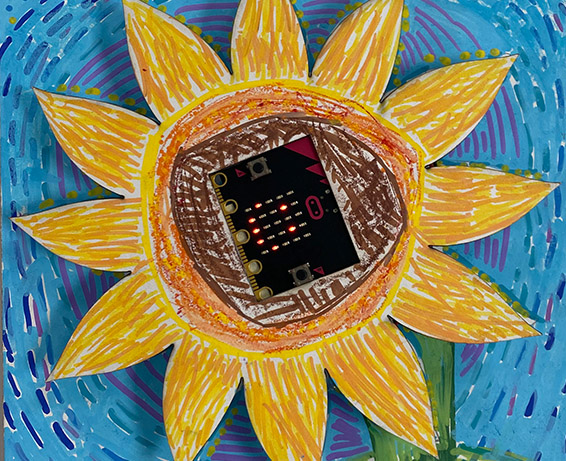
Exploring Feelings through English, Art and Technology
This interdisciplinary lesson integrates English and Art using the picture book Camille and the Sunflowers. Students explore themes of kindness and empathy while learning about the artistic style of Vincent van Gogh. Singapore primary schools…
April 7, 2026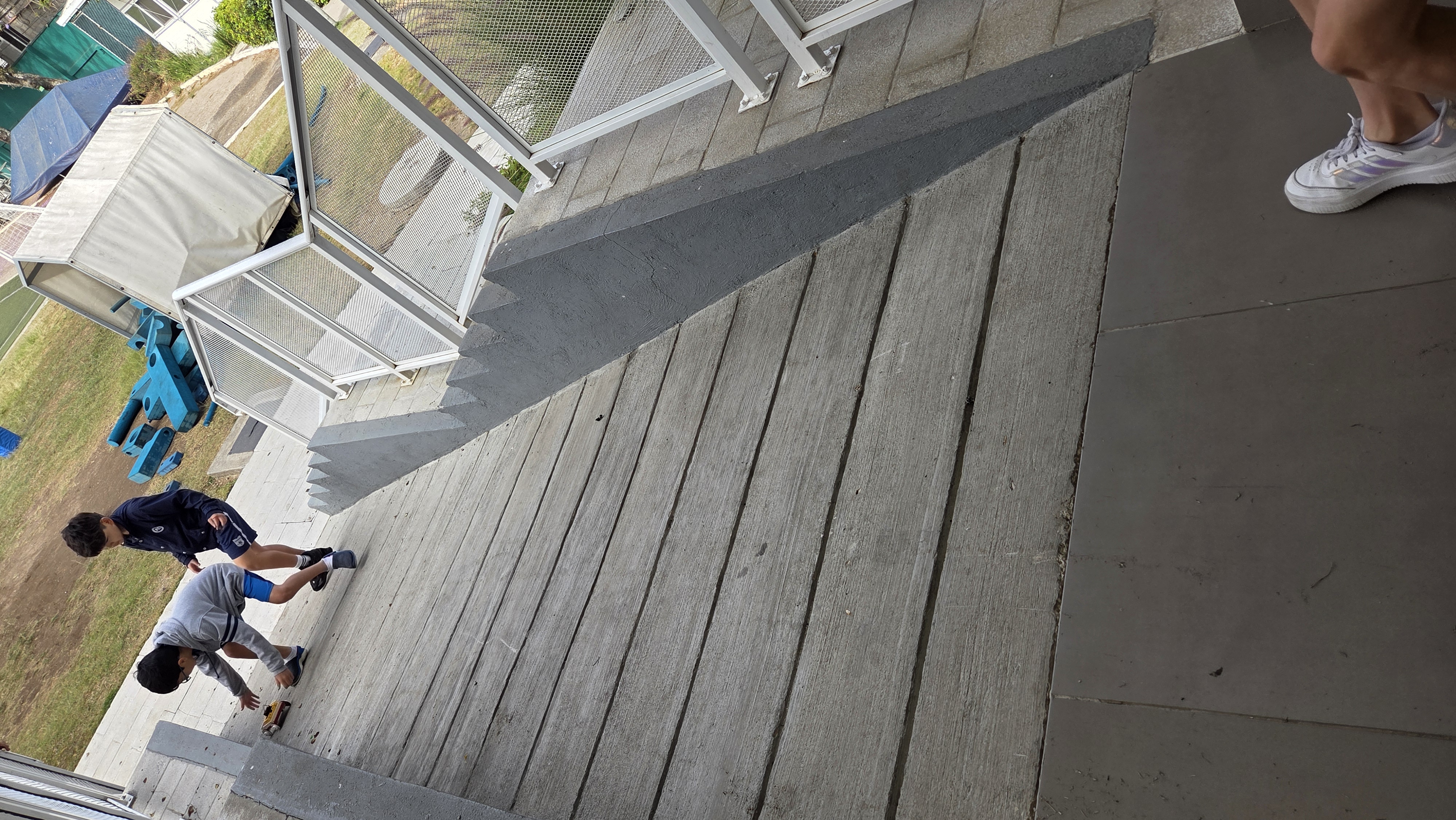
Steepness with MicroBit
During this lesson, students design a car using the material found in the fablab. This car should be able to hold the MicroBit and its battery pack. Using their creations,…
April 6, 2026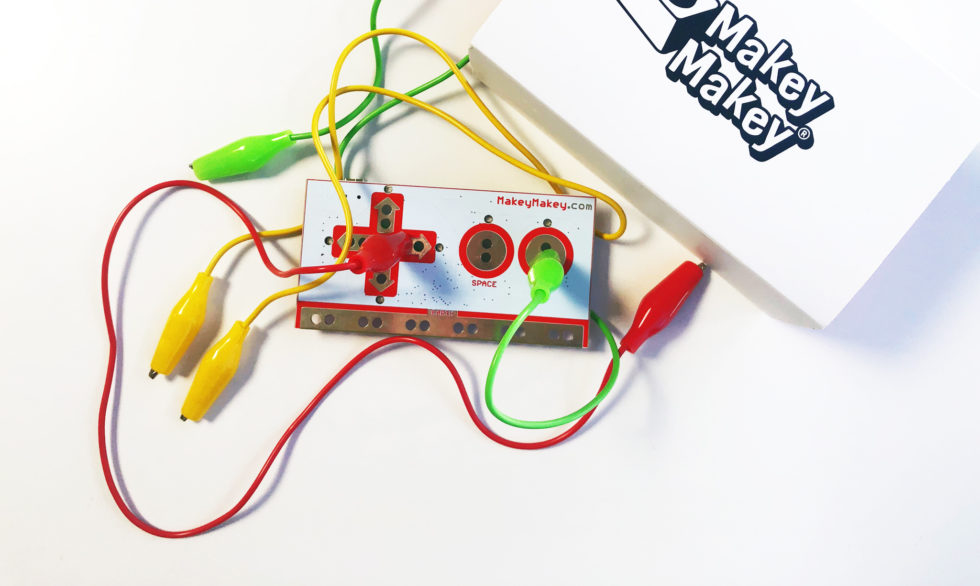
Human Reaction Time
Students will create their own game in which they will react quickly when a signal appears using scratch and Makey-Makey. The students create their code, and connect the makey makey.…
April 6, 2026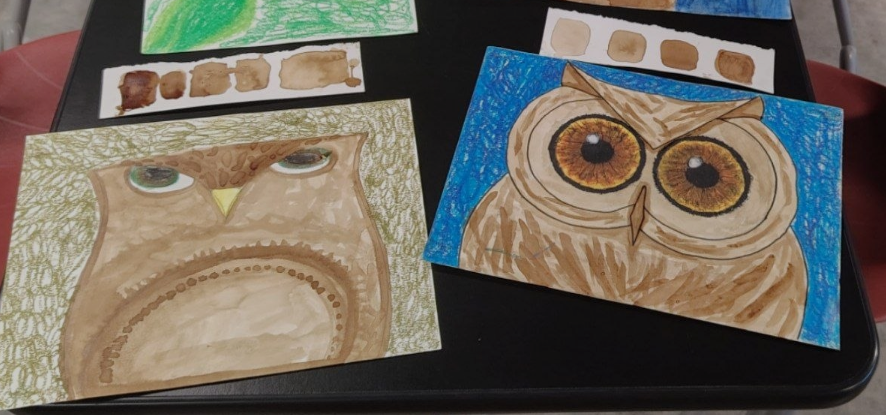
The Tecolote Lab: Transforming Waste into Art
In this lesson, students get inspired by the iconic “Tecolotes” (owls) of artist Arnoldo Ramírez Amaya, and explore color value by extracting natural pigments from coffee waste. Instead of…
April 6, 2026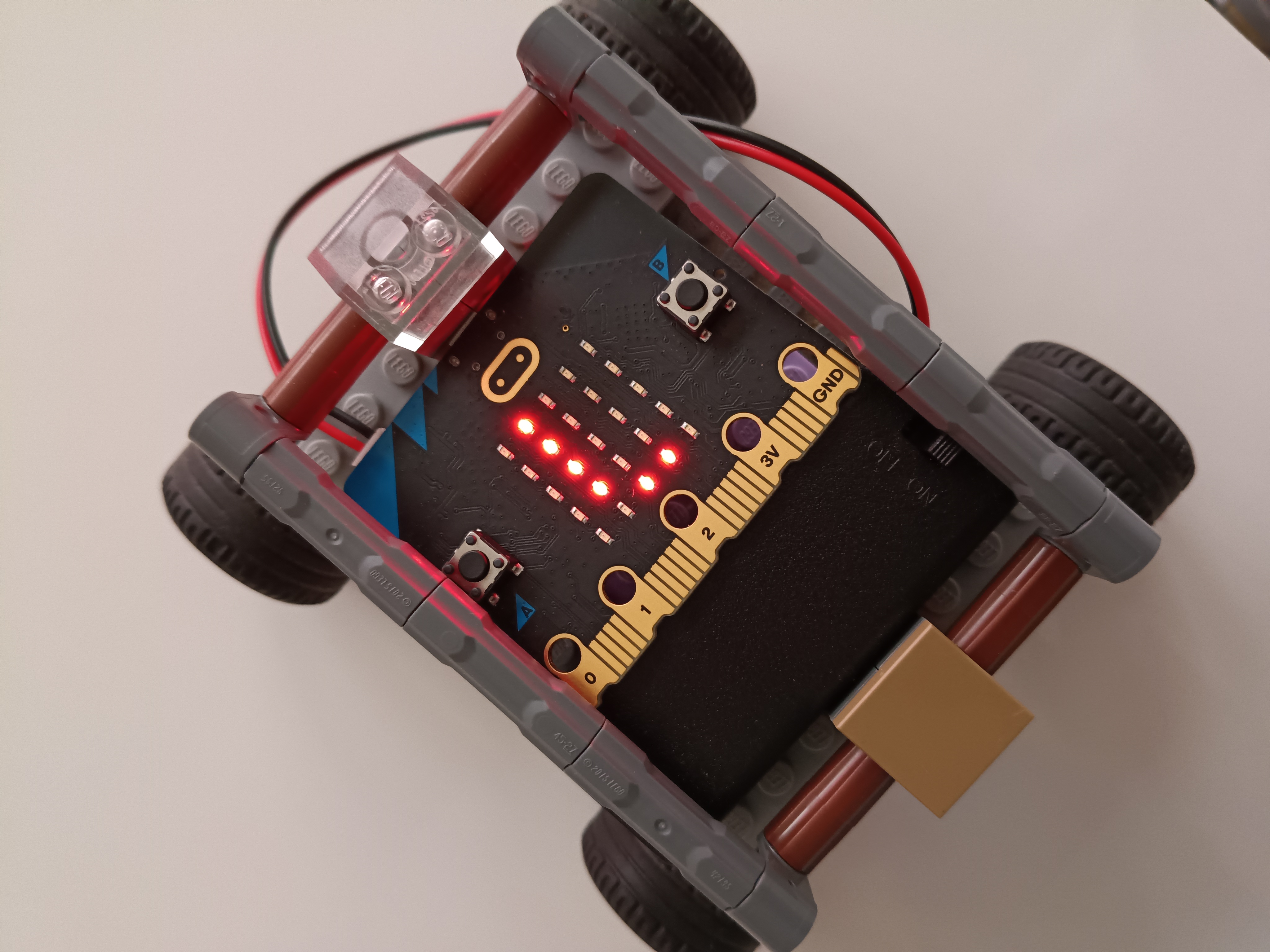
Smart car challenge with Micro:bit
Students will design, build, and program a model car that uses a micro:bit to measure acceleration and represent it through lights and sounds. The project integrates Science, Technology, Engineering, Art,…
April 4, 2026STANDARDS-ALIGNED
Community contributed lessons aligned with Common Core State Standards (CCSS) and Next Generation Science Standards (NGSS) offer formal educators innovative pathways to teaching content knowledge. The Fab I Can Statements are a resource to develop technology-literate learning progressions to align with content standards.
FAB TESTED
Periodically lessons are adapted and tested by the Fab Foundation team based on a call for submissions from fabbers, educators, and makers. Our inaugural set of lessons for the SCOPES-DF project were Fab Tested in 2016 and are tagged Fab Tested on the website.
OPEN-SOURCE VALUES
Lessons are distributed under a Creative Commons CC BY-NC license, that permits free use and re-purposing by others.