
- Loading…

This creative STEM and maker-based lesson is inspired by the book Criaturas da Ilha de Corso, written by Angela Lago, José Roberto Torero, and Pedro Hamdan das Pedras. In the book, readers are introduced to an imaginary island inhabited by unusual and fascinating creatures, inviting imagination, curiosity, and playful world-building.
Drawing from this narrative universe, students are challenged to imagine, design, and build their own original creature. They explore questions such as where the creature lives, how it moves, what abilities it has, and how its body adapts to its environment. Through this process, imagination becomes the starting point for hands-on creation.
The lesson is also inspired by the work of Renato M. Barbosa, an art educator and ecobrinquedista, whose practice values creation with accessible materials, experimentation, and the expressive potential of making. This influence reinforces the connection between art, play, sustainability, and invention.
Students engage in an open-ended process that blends art, engineering, and technology. Using simple materials and, when available, FabLab resources such as pre-made 3D parts, laser-cut elements, vinyl, and basic electronics, learners bring their creatures to life through physical models and storytelling.
Grounded in the low floor, high ceiling, wide walls approach, the activity is accessible to a wide range of learners while supporting increasingly complex ideas and constructions. Creativity, agency, collaboration, and experimentation are central, allowing each student to follow a unique path and express their ideas through making.
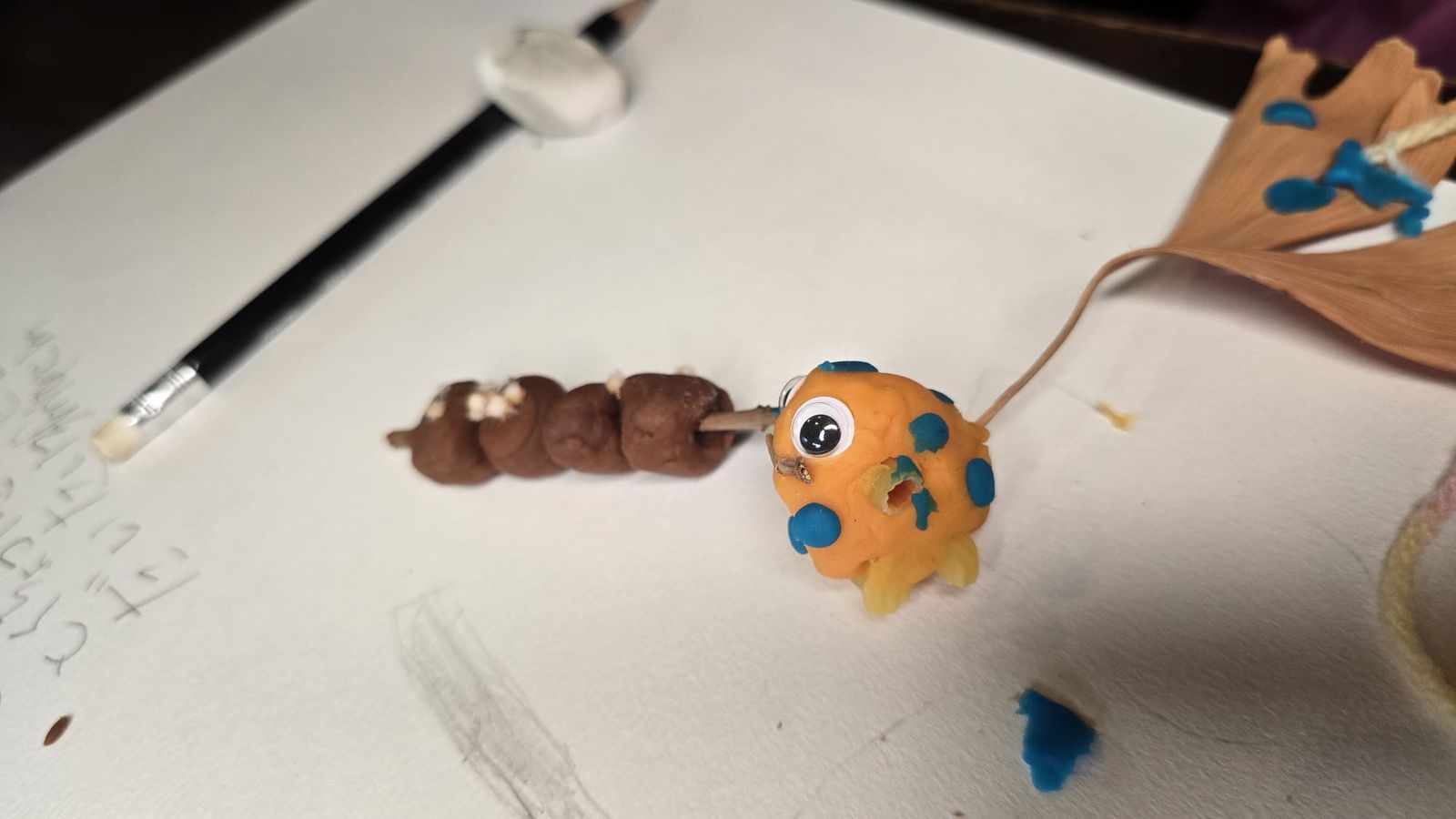
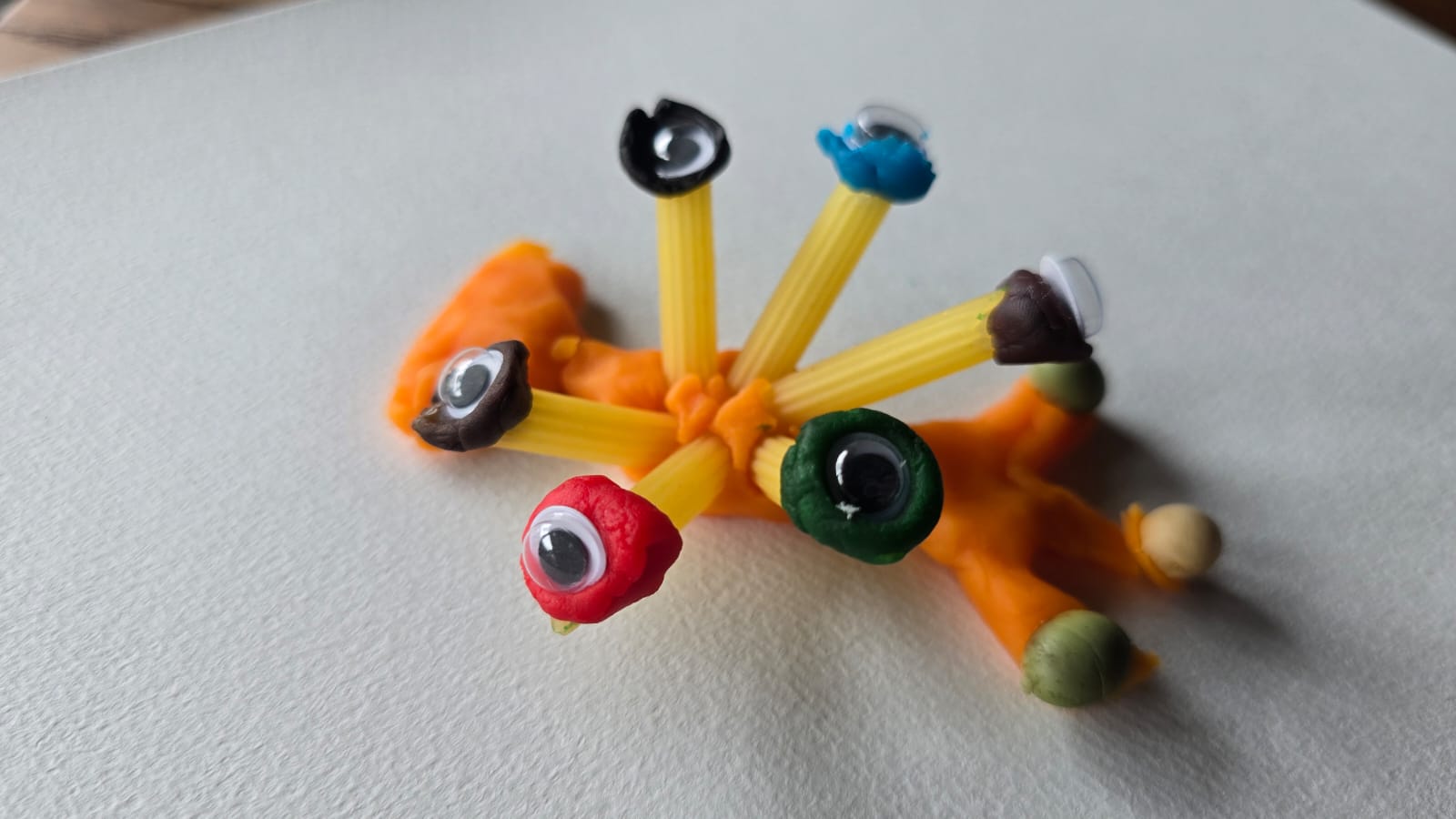
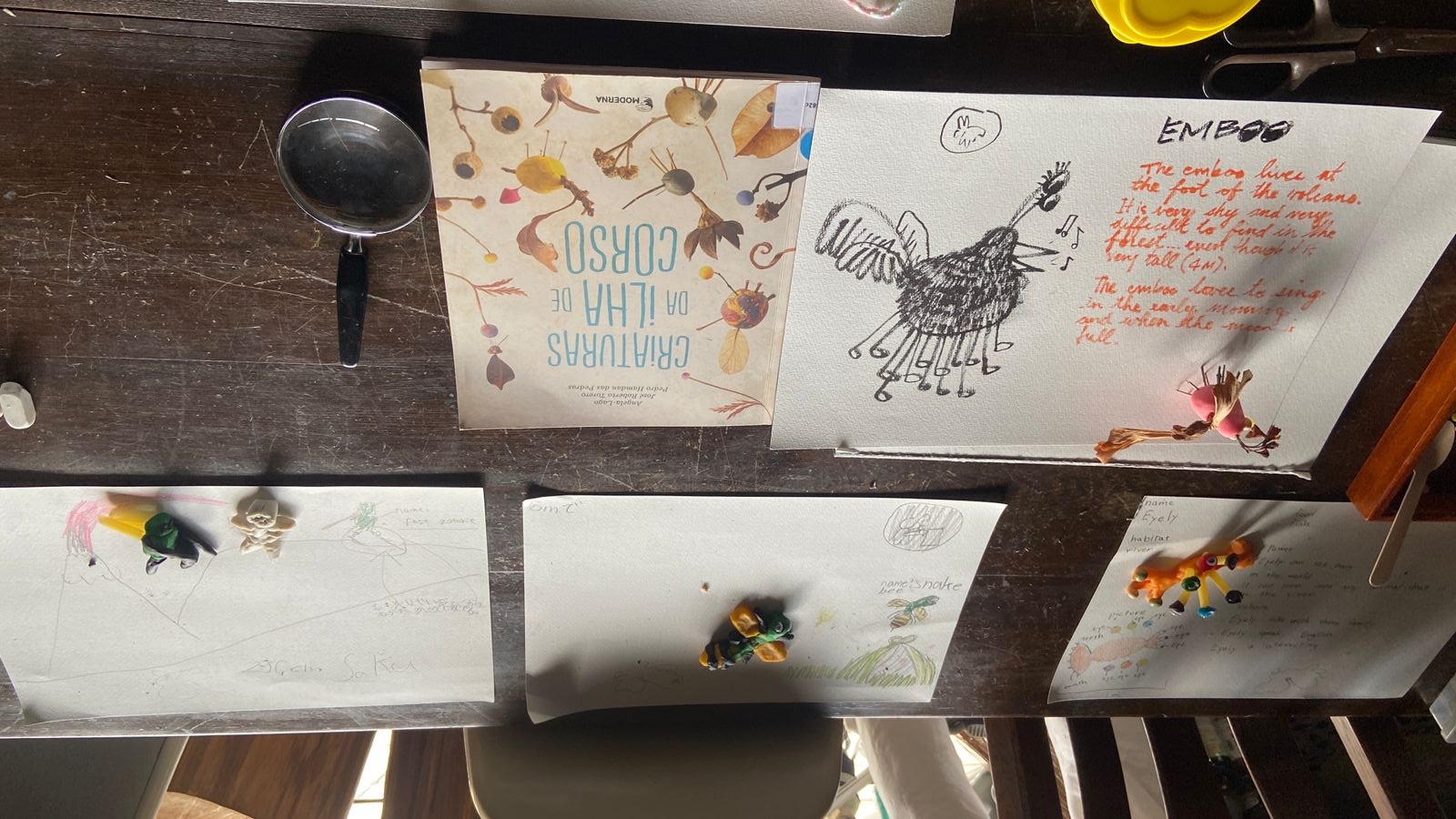
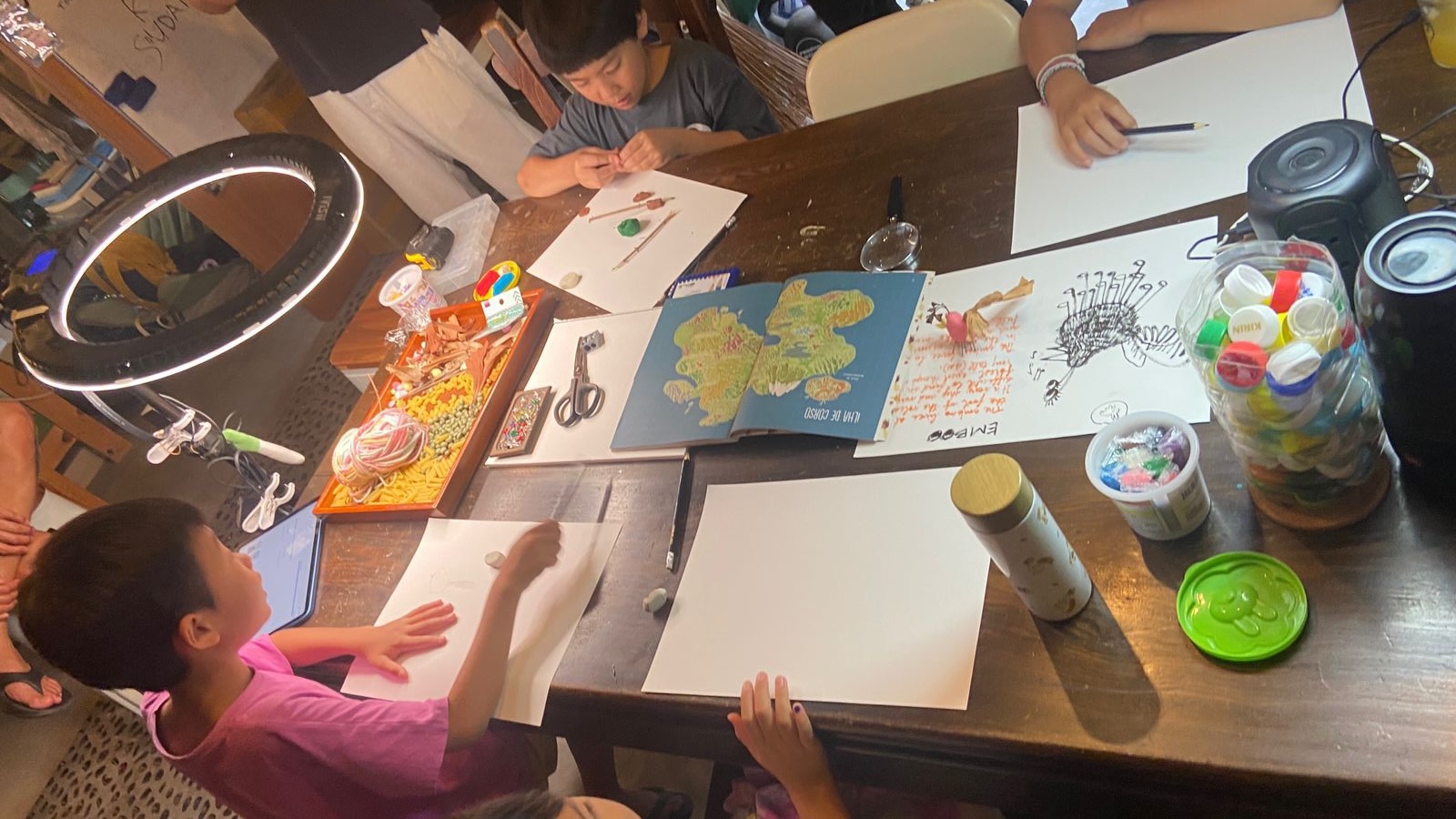
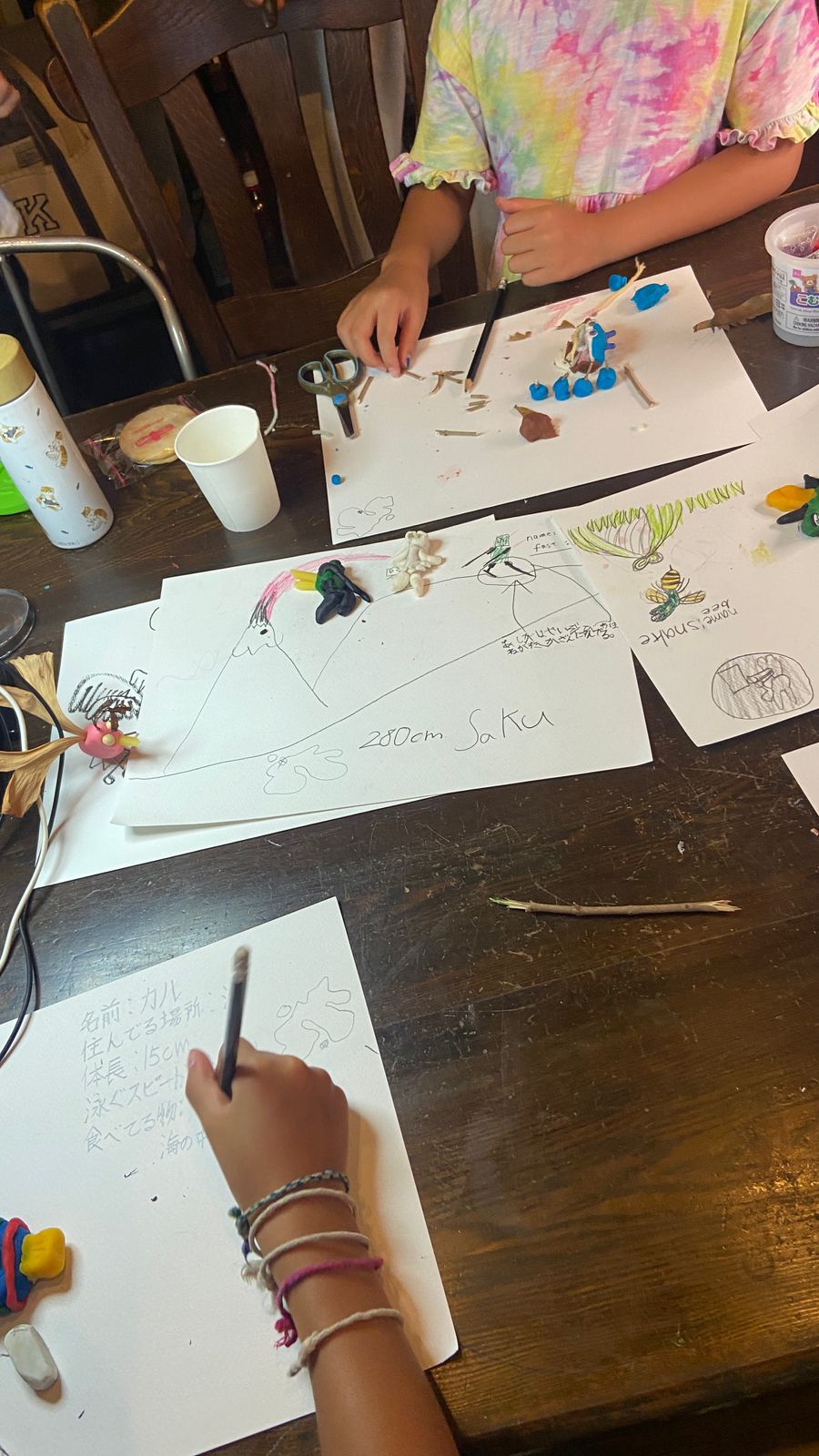
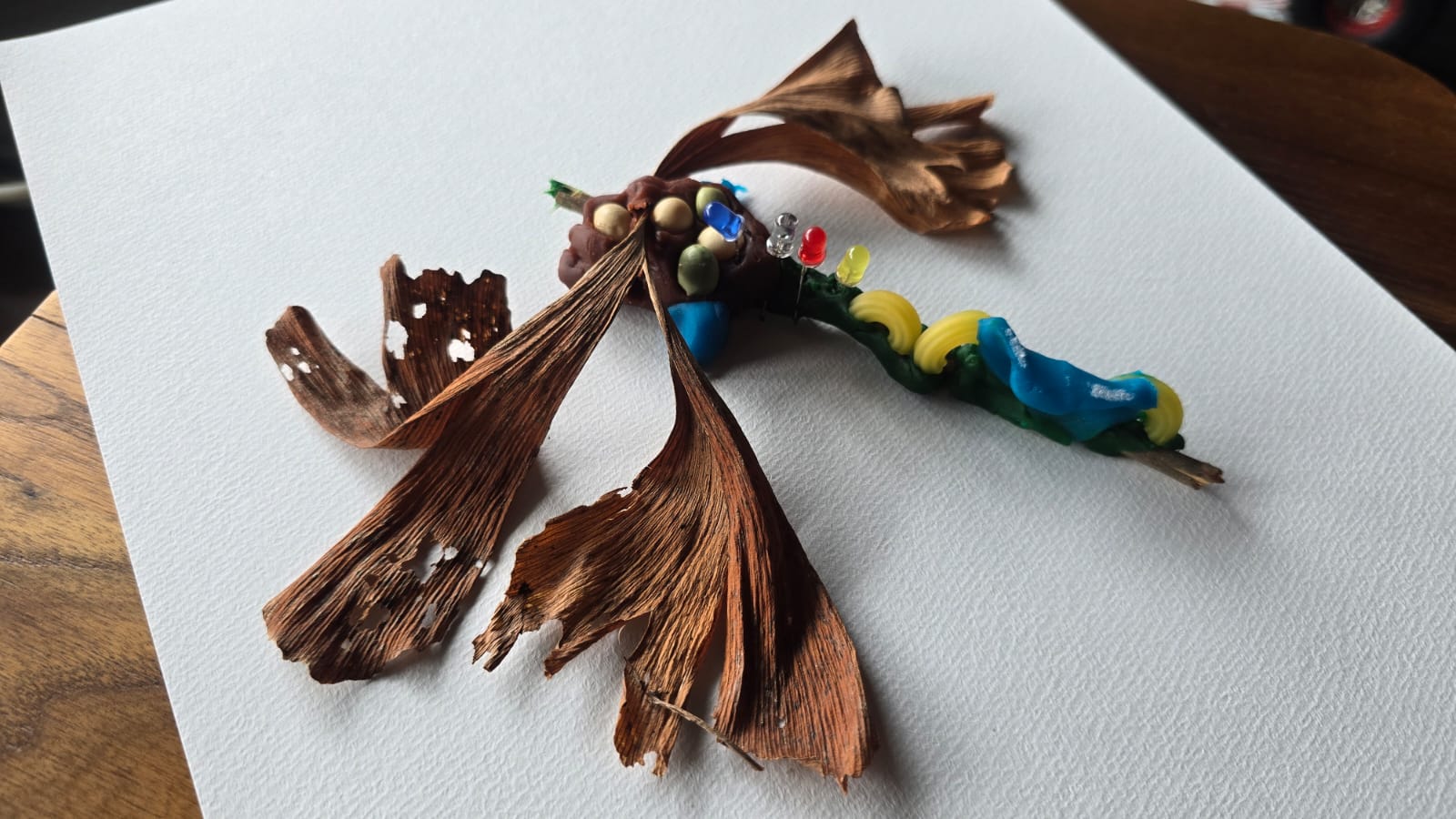
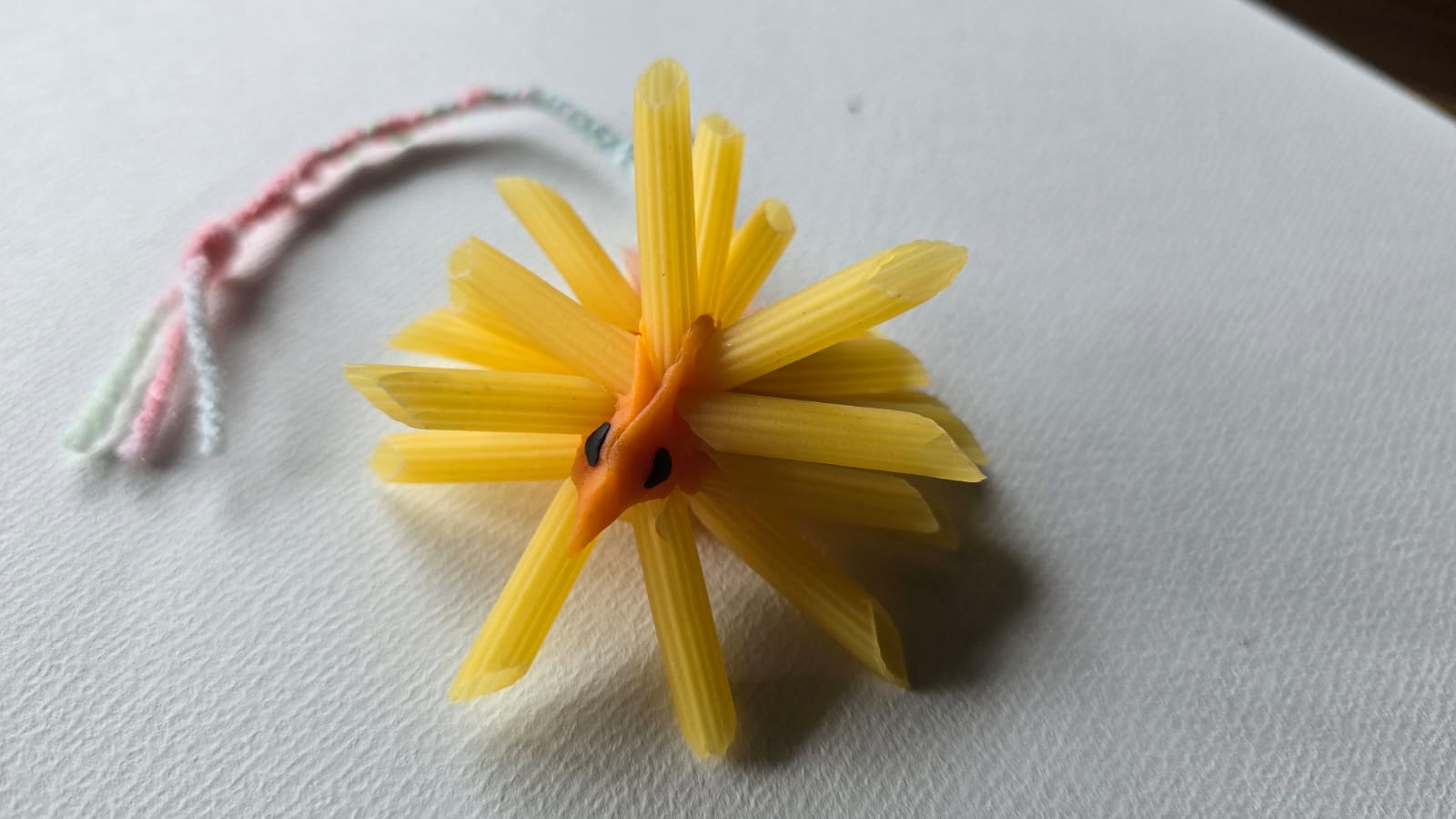
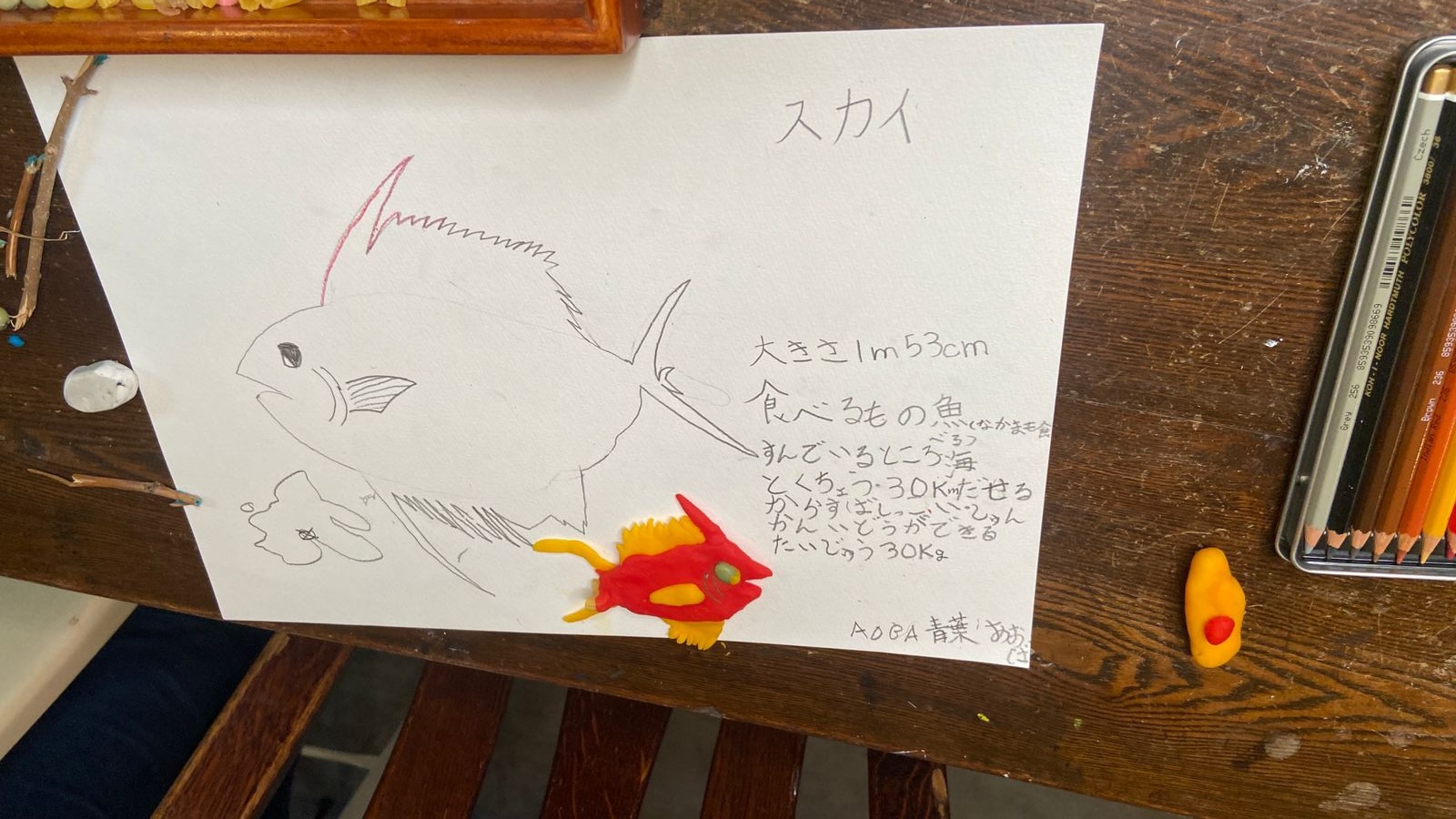

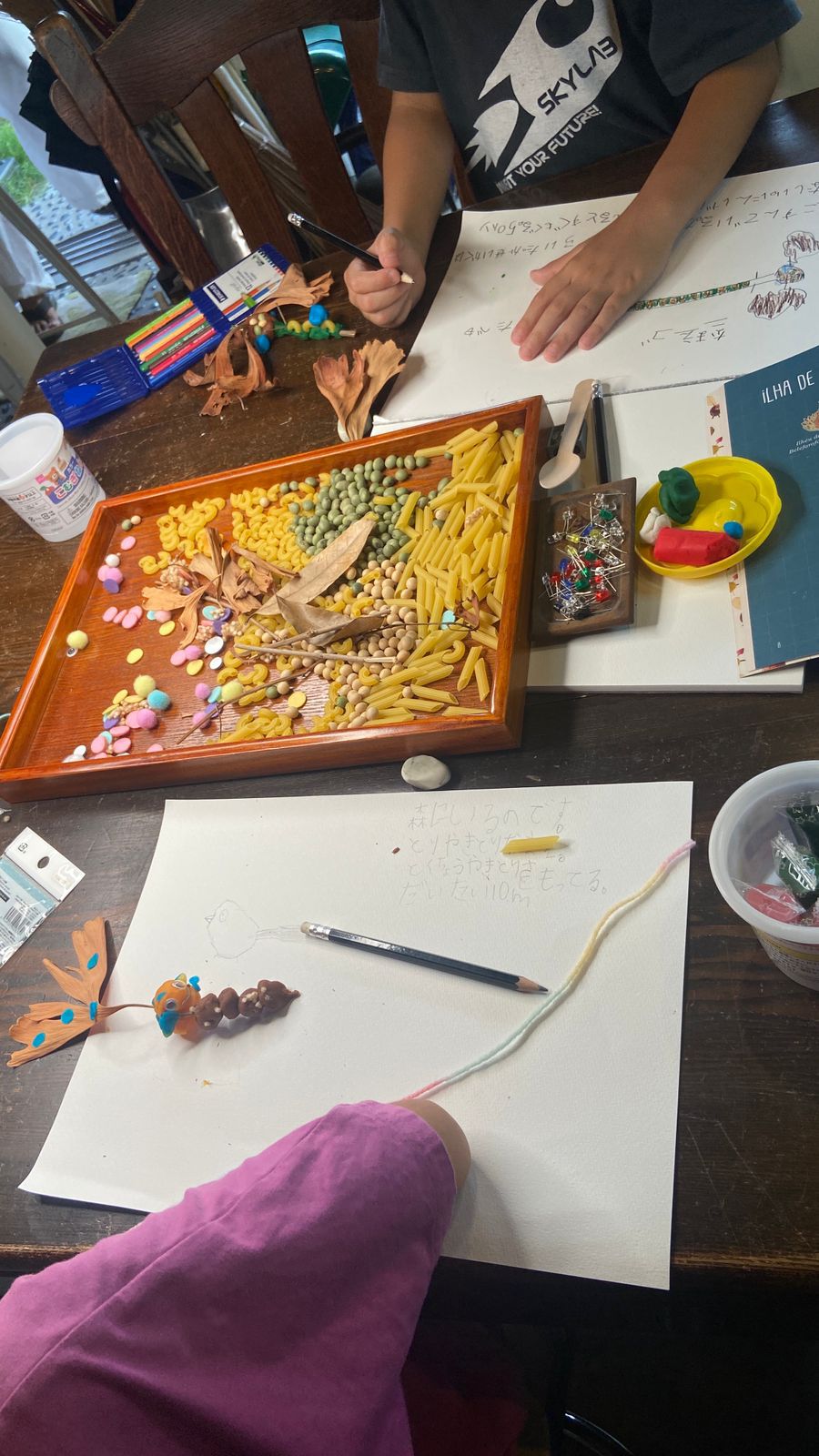

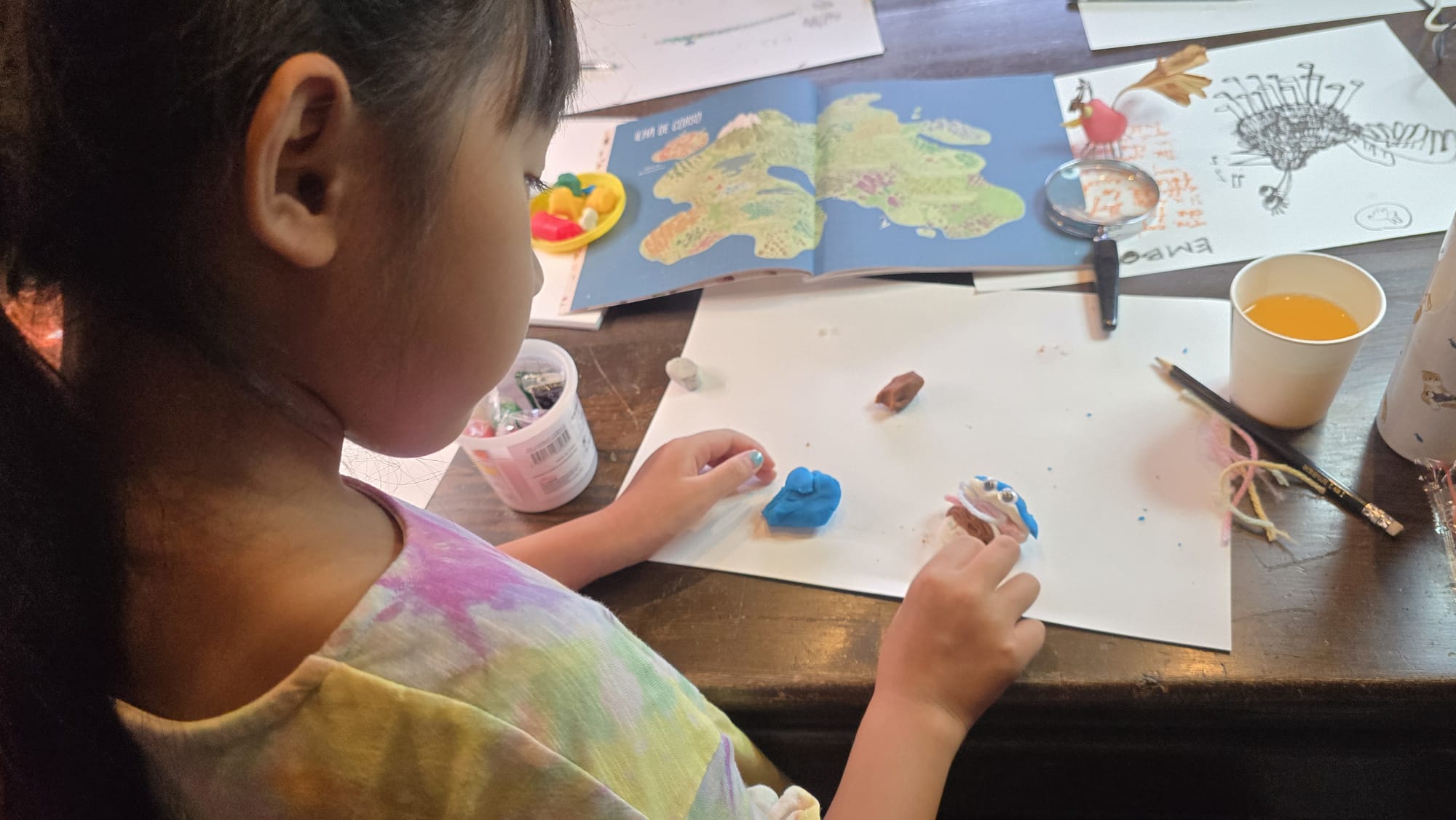
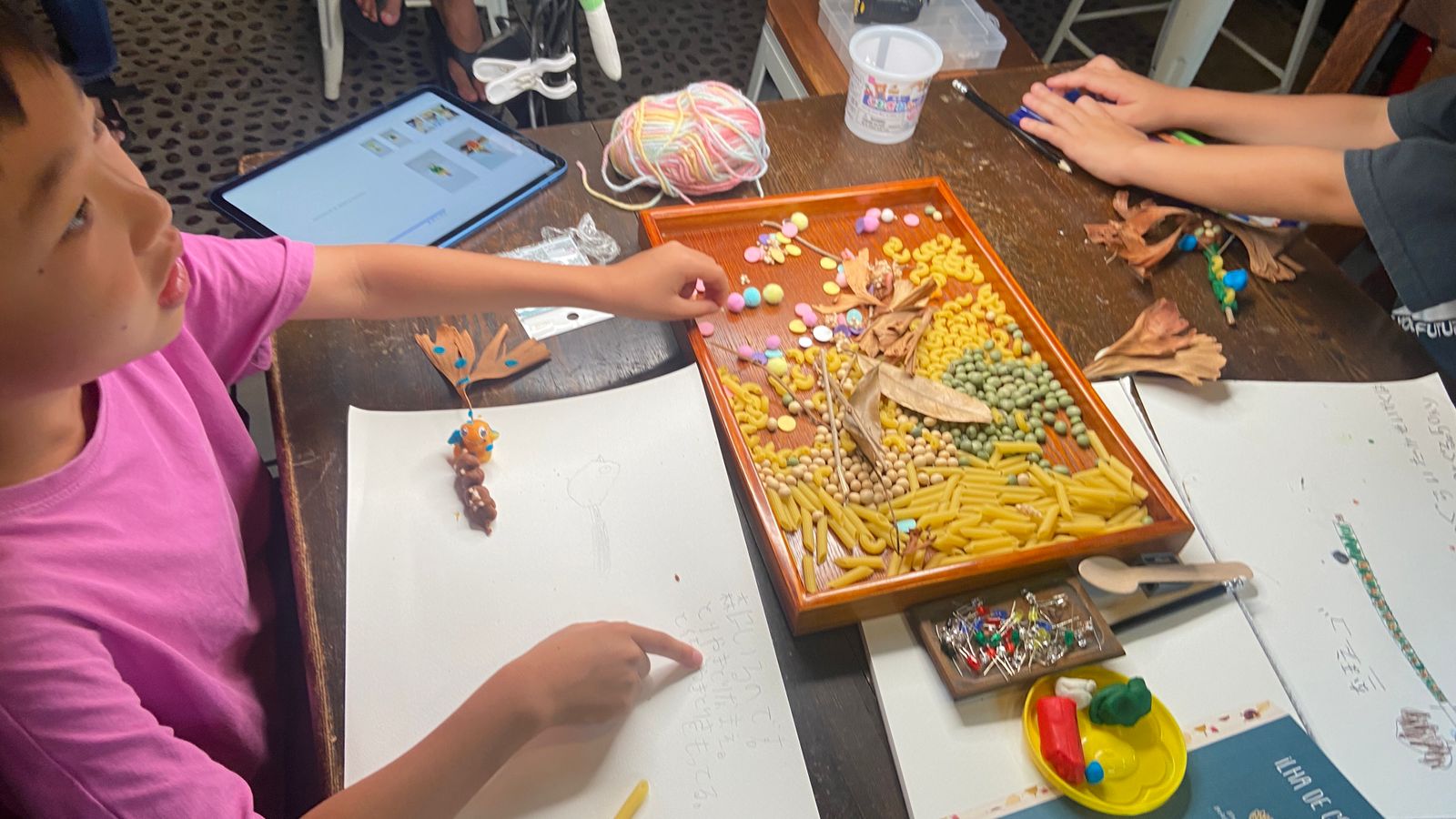
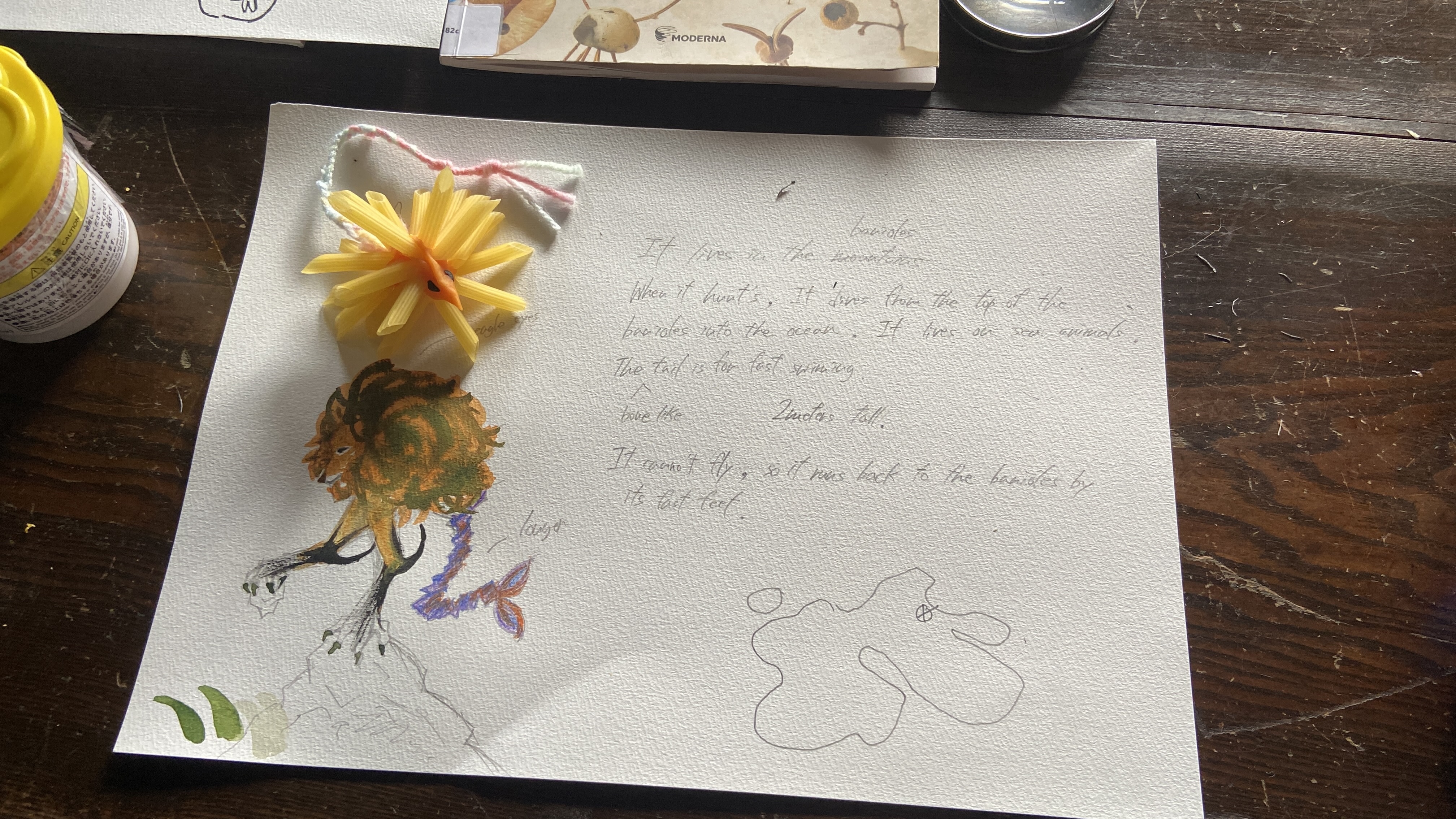
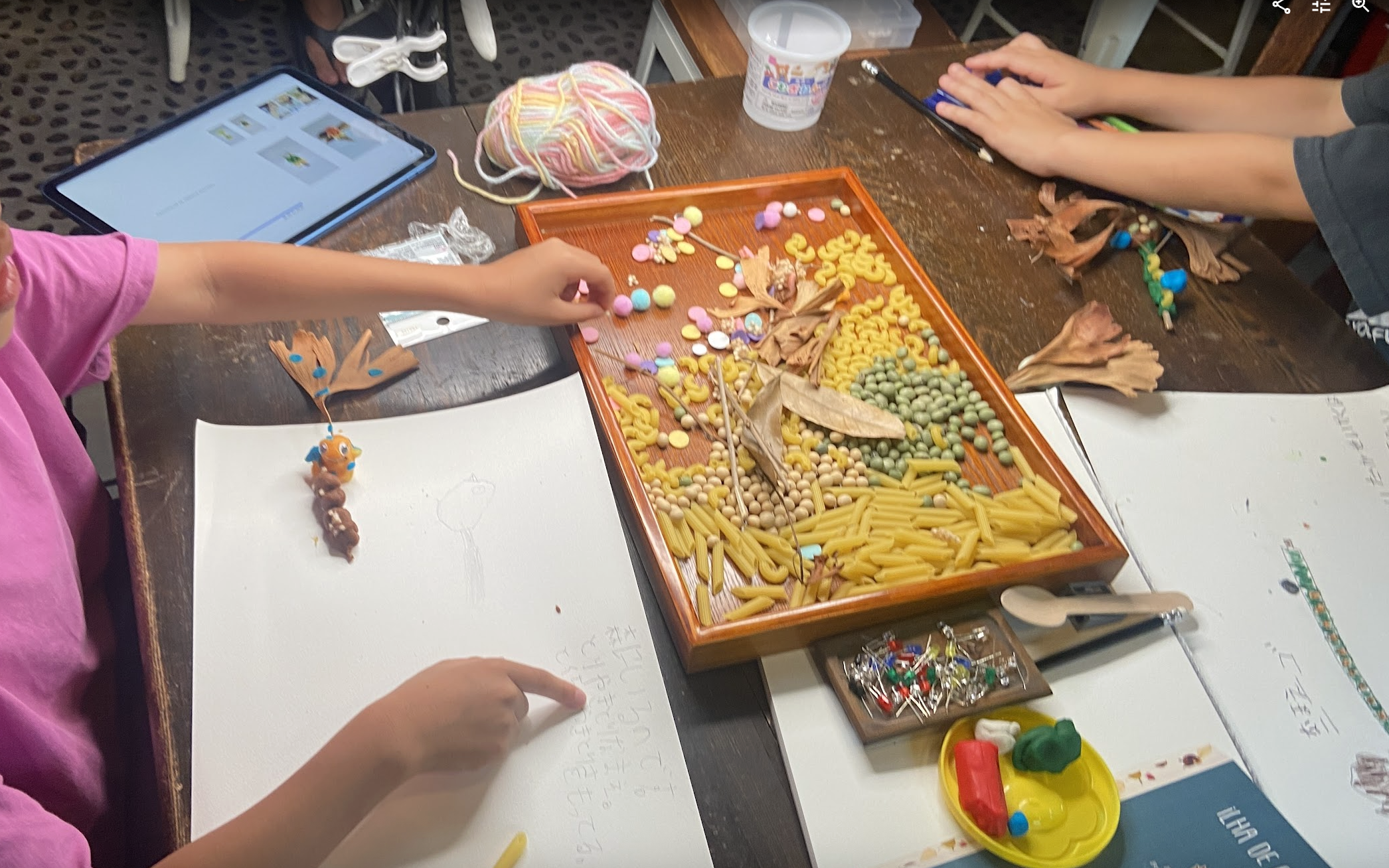
Materials should support imagination, hands-on creation, and storytelling, allowing students to move from an initial MVP to more advanced fabrication stages when time permits.
For the MVP, each student should receive a small piece of modeling clay to serve as the main structural base of their creature. Clay allows for quick shaping, flexibility, and immediate expression of ideas, making it ideal for an initial prototype.
Once the basic structure is defined, offer a wide variety of natural elements and unstructured materials to enrich the creature and spark creativity. These may include seeds, branches, leaves, stones, and other natural objects, as well as FabLab-available materials such as leftover filament pieces, wood scraps, bottle caps, lids, cardboard offcuts, and other reusable components. These materials encourage experimentation, texture exploration, and inventive combinations.
Additional basic materials should include paper, cardboard, markers, and creative scrap, along with a creation sheet where students record their creature’s name, habitat, food, powers, and short story.
For groups or students who have more time to dedicate to the project, additional materials may be required for later stages. If the project evolves beyond the MVP, students may transition to digital fabrication or advanced modeling, using resources such as 3D printers, laser cutters, CNC routers, or other fabrication tools. These extensions expand the learning objectives, allowing students to explore design translation, digital modeling, and manufacturing processes.
Educator Note:
This flexible material progression supports the low floor, high ceiling, wide walls approach, ensuring accessibility at the MVP stage while enabling deeper technical exploration when conditions allow.
This activity is designed to be accessible to learners of different ages and backgrounds. Because of its open-ended nature, learning objectives may vary in depth and complexity. Regardless of the path chosen, the lesson supports the following core goals:
Technical and Creative Objectives
Socio-Emotional and Learning Skills
This lesson shows how imagination and storytelling can be powerful starting points for STEM and maker learning. By inviting students to create their own creatures, the activity demonstrates that complex thinking can emerge from play, fantasy, and artistic expression.
The experience highlights the importance of open-ended challenges that honor the low floor, high ceiling, wide walls approach. Students engage at different levels of complexity, making choices that reflect their interests, skills, and ideas. Learning unfolds through exploration rather than predefined outcomes.
With older students and extended project time, the lesson reveals the potential of a deeper design and fabrication process. Learners can begin with simple prototyping materials to explore ideas and build an initial MVP, and later transition their projects to digital fabrication tools such as 3D printers, CNC routers, or laser cutters. This progression expands technical learning, systems thinking, and understanding of manufacturing processes.
With younger students or limited time, the activity can intentionally stop at the first MVP built with accessible materials. Even at this stage, rich learning takes place through imagination, construction, and storytelling. Across these variations, learning objectives naturally expand or deepen, showing how the same core challenge can support multiple levels of complexity and meaningful engagement.
For educators, the lesson reinforces the value of designing flexible learning experiences that adapt to time, age, and available resources, while still supporting creativity, autonomy, and purposeful making.
In this opening step, students are introduced to the magical universe of Criaturas da Ilha de Corso, a playful encyclopedia created by Angela Lago and Pedro Hamdan das Pedras. The Island of Corso is a mysterious place inhabited by tiny, fantastic beings, hybrids of animals, plants, and minerals, each with unique characteristics and ways of living. Through storytelling and visual references, students explore themes of diversity, adaptation, and the beauty of the unusual. The step culminates with an invitation: each student will document a creature that reveals itself only to them.
Begin by telling students that they are about to enter a very special place: the Island of Corso. Explain that this island is known for being home to tiny, mysterious creatures, hybrids of animals, plants, and minerals, each one unique and surprising. Share that the book presents these creatures as part of a playful encyclopedia, mixing imagination, observation, and curiosity, much like science does.
Describe some examples from the island to spark imagination, such as creatures with unusual bodies, unexpected abilities, or strange habits. Emphasize that these beings teach us about diversity, adaptation, and how life can take many different forms.
Then introduce the central narrative rule of the island: every time someone steps onto the Island of Corso, one mysterious creature reveals itself only to that person, and no one else will ever see it again. Because of this, it becomes the visitor’s responsibility to carefully document the creature they encountered.
Invite students to accept this challenge. Explain that they will be responsible for recording their creature’s name, appearance, habits, habitat, and special characteristics, using both words and visual representation. Reinforce that there are no right or wrong creatures, each one is valid as long as it is imagined, observed, and documented with care.
Close this step by making it clear that students are not just building an object, but acting as explorers, observers, and creators. This moment sets the tone for curiosity, respect for differences, and creative freedom as they move into planning and making their creature.
In this step, students imagine the creature that revealed itself to them on the Island of Corso. They define its appearance, habits, and way of living, translating imagination into ideas. Through drawing and writing, learners begin documenting their creature as part of a personal encyclopedia entry. This planning stage prepares students for building a physical model in the next steps.
Invite students to imagine the creature that revealed itself to them upon stepping onto the Island of Corso. Explain that this creature is unique and personal, no one else has seen it, and therefore it is their responsibility to carefully document it.
Provide each student with a creation and documentation sheet. Guide them to record key aspects of their creature, such as its name, appearance, habitat, habits, diet, and special abilities. Encourage students to think about how the creature’s body relates to where it lives and how it survives, making connections between form, function, and environment.
Ask students to draw their creature, emphasizing that the drawing is not about artistic perfection but about observation and communication. Encourage them to include details, textures, and shapes that will later help them build the physical model.
Throughout this step, circulate and ask open-ended questions such as: “Why does your creature look like this?”, “How does it move?”, “What does it eat?”, “Where does it live?”, and “What habits or behaviors make it adapted to its environment?”
Close the step by explaining that this documentation will guide the next phase, when students begin transforming their ideas into a physical prototype of their creature.
In this step, students begin building the first physical version of their creature. Using simple prototyping materials, they transform ideas from their documentation into a tangible model. This initial construction focuses on form, structure, and expression rather than perfection. The MVP serves as a foundation for experimentation, feedback, and possible future enhancements.

Begin by inviting students to create the first physical version (MVP) of their creature. Give each student a small piece of modeling clay, which will serve as the main structural base of the creature. Explain that this initial model does not need to be finished or perfect, it is meant to quickly bring the idea to life in three dimensions.
Once the basic form is established, gradually offer a wide range of natural and unstructured materials to enrich the creature. These may include seeds, branches, leaves, stones, as well as FabLab-available items such as leftover 3D printer filament, wood scraps, bottle caps, lids, cardboard offcuts, and other reusable materials. Encourage students to combine materials freely, focusing on texture, shape, and expression rather than realism.
Ask students to refer back to their creation sheet as they build, checking whether the physical model reflects the creature’s habitat, diet, habits, and special characteristics. Reinforce that changes are welcome and that ideas can evolve during construction.
Midway through the building time, pause for a brief creative feedback moment. Invite students to share their creature-in-progress in pairs or small groups. Each peer suggests one “extra fantastic element” that could make the creature even more interesting. The creator decides whether or not to incorporate the suggestion, reinforcing autonomy and choice.
For groups or students with more time or advanced resources, explain that the project can move beyond the MVP. At this stage, students may add FabLab elements such as pre-printed 3D parts, laser-cut pieces, vinyl details, or simple electronics (LEDs, motors). This transition expands the learning experience, introducing digital fabrication and more complex modeling processes.
Throughout this step, circulate and support students by asking reflective questions such as: “How does this material help your creature?”, What part shows how it lives or what it eats?, and “What could you add or change to express its personality?”
Emphasize experimentation, iteration, and creative confidence as central values of the process.
In this final step, students share their creatures and the stories behind them. They present their models, explain their choices, and reflect on the creative and making process. The focus is on valuing diversity, imagination, and learning through exploration. The lesson closes by reinforcing that each creature, like each learner, is unique.

Invite students to present their creatures to the group. Ask each student to share the creature’s name, where it lives, what it eats, its habits, and what makes it special. Encourage them to explain how their physical model represents these characteristics and how their ideas changed from imagination to construction.
Create a respectful and curious listening environment. Remind students that, just like on the Island of Corso, every creature is unique and deserves attention. Encourage peers to ask questions or share what they found interesting or surprising about each creature, focusing on appreciation rather than comparison.
Guide a short reflection by asking questions such as: “What did you discover while building your creature?”, “What material helped you the most?”, or “What would you like to change or add if you had more time?”
Reinforce that experimentation, unexpected results, and unfinished ideas are all part of the learning journey.
If possible, conclude by documenting the creatures through photos, drawings, or a collective display, creating a small “Island of Corso Encyclopedia” with the group’s creations. Close the lesson by celebrating creativity, diversity, and the courage to imagine something new.
Having trouble? Let us know by completing the form below. We'll do our best to get your issues resolved quickly.
"*" indicates required fields
