
The 2026 Inclusive Innovation Lesson Contest brought together educators, designers, and creators from around the world who are committed to building learning experiences that welcome every student. These submissions showcased powerful ideas for accessibility, social-emotional learning, and inclusive design, each one demonstrating how thoughtful teaching can open doors for all learners.
After reviewing an inspiring collection of entries, we are thrilled to announce the following winners.
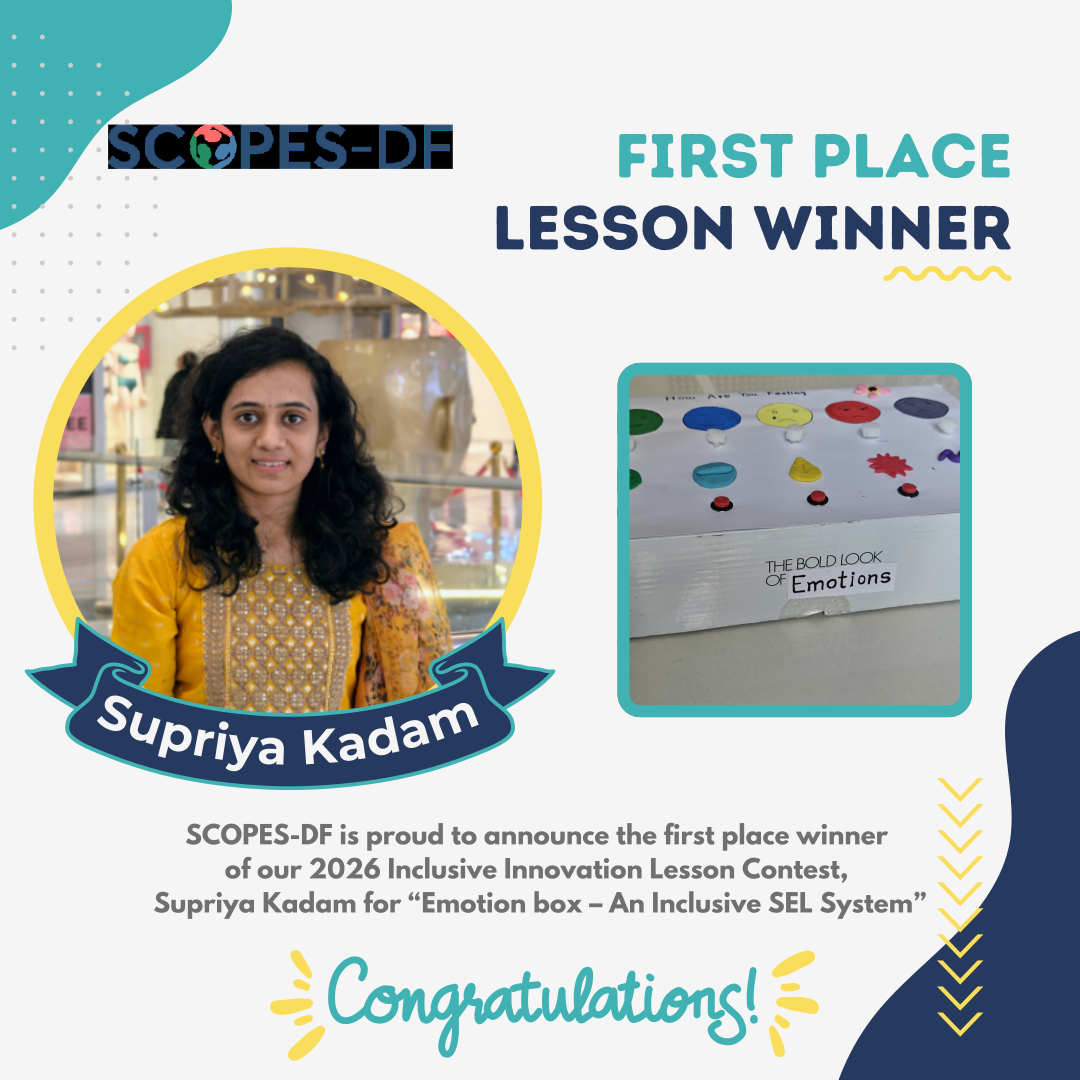
First Place: Supriya Kadam
Lesson: Emotion Box – An Inclusive SEL System
Supriya Kadam’s winning lesson, Emotion Box – An Inclusive SEL System, offers a tactile, multimodal approach to helping students identify, express, and regulate emotions. By blending visual supports, hands‑on materials, and inclusive communication strategies, the lesson ensures that every learner, regardless of language, ability, or communication style, can participate meaningfully in SEL activities.
Explore the full lesson: Emotion Box – An Inclusive SEL System
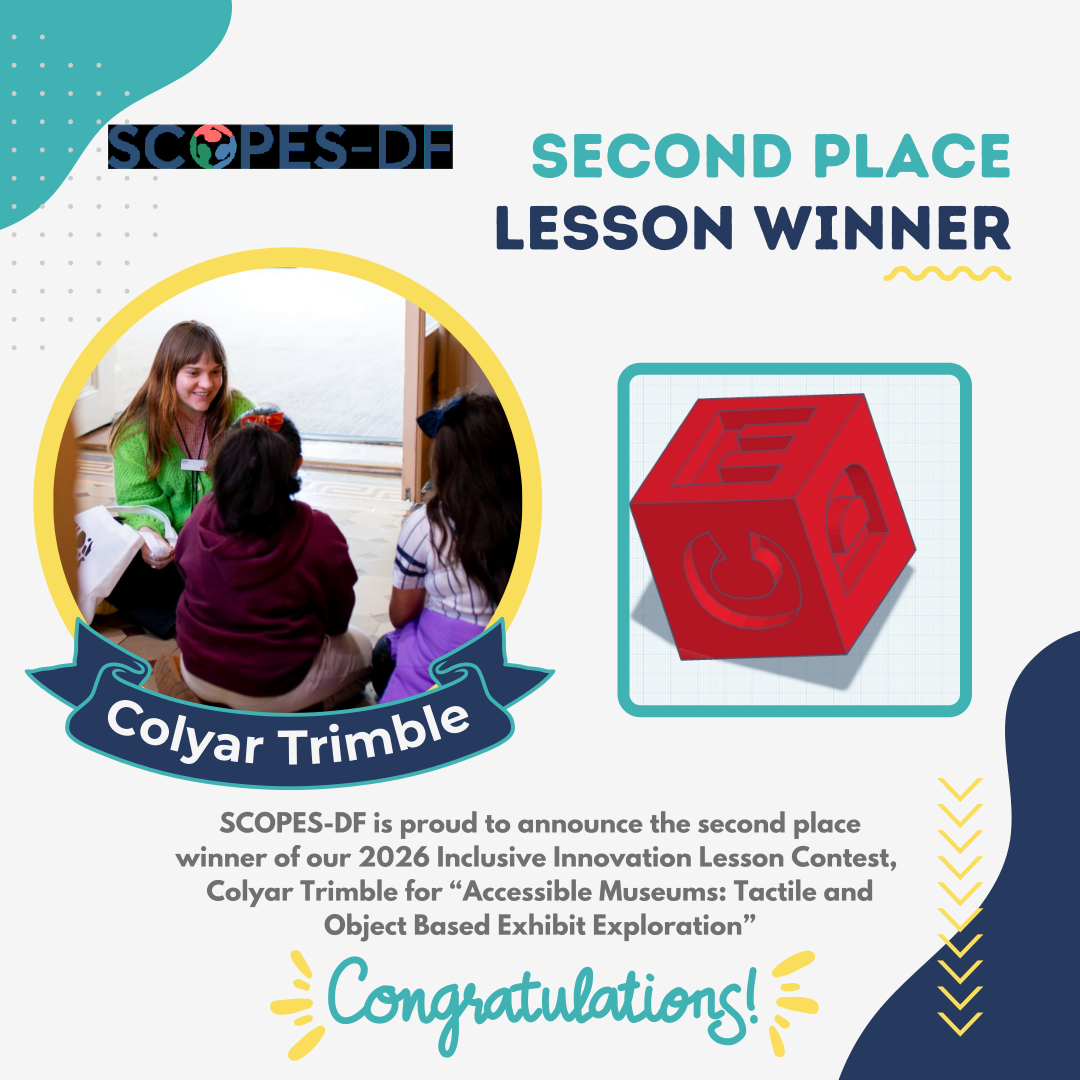
Second Place: Colyar Trimble
Lesson: Accessible Museums: Tactile and Object‑Based Exhibit Exploration
Colyar Trimble’s lesson reimagines museum experiences through tactile exploration and object‑based learning, making cultural spaces more accessible to blind and low‑vision learners while enriching the experience for all students. Its emphasis on multisensory engagement and equitable access made it a standout submission.
Explore the full lesson: Accessible Museums: Tactile and Object‑Based Exhibit Exploration
Third Place: Studio 5
Lesson: Emotions in Motion – مشاعر في حركة
Studio 5’s bilingual lesson blends movement, expression, and emotional literacy to help students explore feelings through physical activity. Emotions in Motion – مشاعر في حركة creates an inclusive environment where students can communicate emotions nonverbally, making the lesson accessible across languages and abilities.
Explore the full lesson: Emotions in Motion – مشاعر في حركة
Why These Lessons Matter
Across all three winning entries, several themes emerged:
- Accessibility as a core design principle rather than an afterthought
- Multimodal learning experiences that support diverse communication styles
- Cultural and linguistic inclusivity that reflects real classrooms
- Creativity and empathy at the heart of instructional design
These lessons demonstrate how inclusive innovation can transform learning environments and empower every student to thrive.
Thank You to All Participants
We extend our gratitude to every educator and creator who submitted a lesson. Your work continues to push education forward and inspire others to design with inclusion at the forefront.