- Loading…
This Primary 3 English lesson is aligned with the Ministry of Education (Singapore) STELLAR (Strategies for English Language Learning and Reading) approach and integrates Character and Citizenship Education (CCE) through the theme sustainable living. Using the Experience–Text–Language–Application framework, pupils engage in discussion, shared reading, and guided writing to develop language skills meaningfully. Through learning about reducing, reusing, and recycling, pupils explore how recycled materials can be reused to create useful products, while reflecting on responsible behaviours, care for the environment, and positive actions as responsible citizens.
In this lesson, students explore sustainability and responsible consumption through discussion, experience, making and creative writing. They are introduced to the concept of an autobiography, then apply it by writing from the first-person perspective of a recycled material (e.g. a plastic bottle, metal can, paper bag, or glass jar).
Students plan and write a short autobiographical piece describing their object’s “life”, feelings, and experiences, while highlighting
environmentally responsible actions such as reducing waste, reusing items, and recycling.
This encouraging students to reflect on how their everyday choices impact the environment. By personifying a common waste item, students develop empathy, creativity, and a stronger sense of environmental responsibility.
https://youtu.be/PBkmOhOk8nk?si=A7W1j2si7nGZZrGg
By the end of the lesson, pupils will be able to:
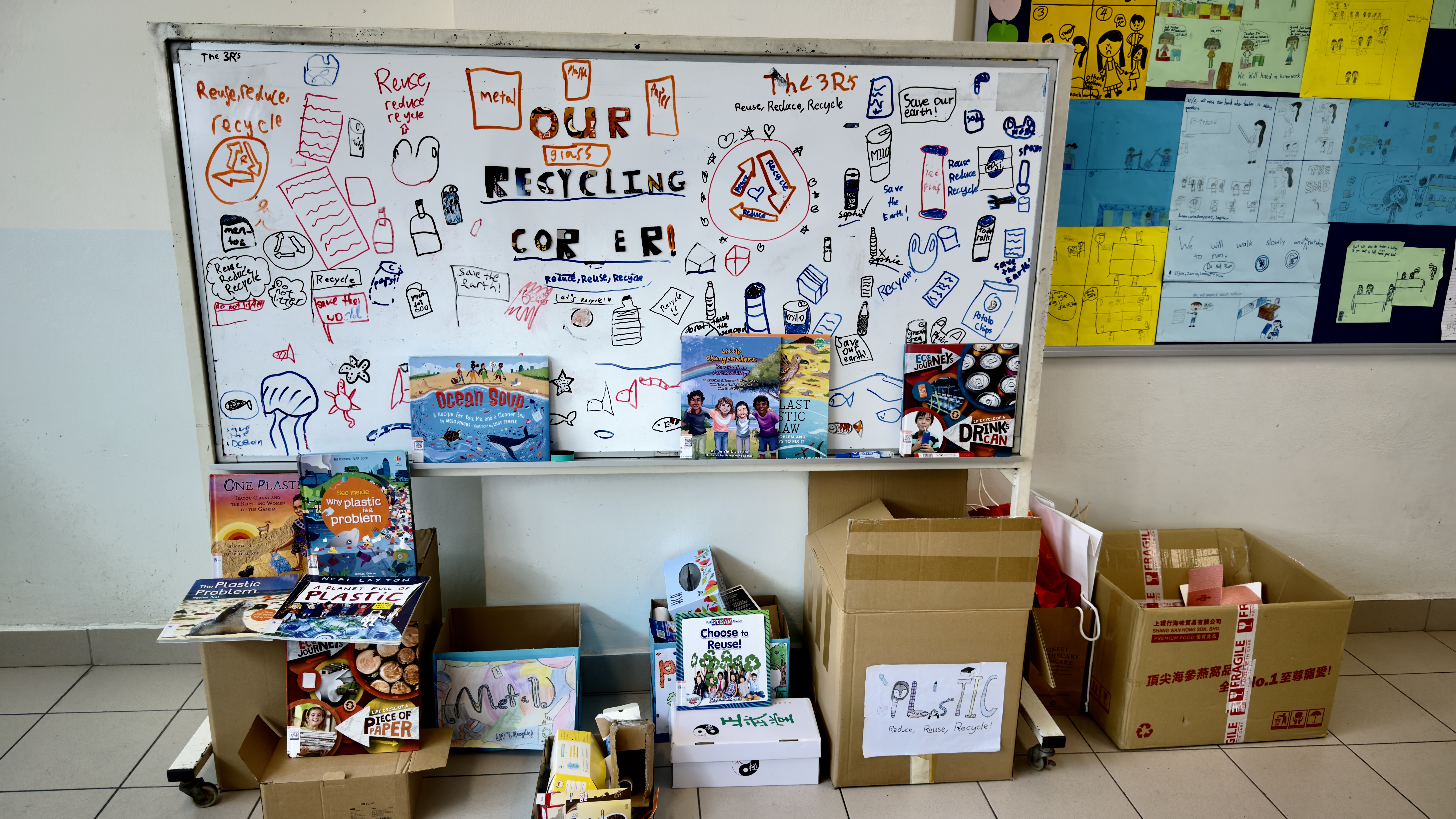
Students were motivated to set up the recycling corner. They were positive in demonstrating sustainable living.
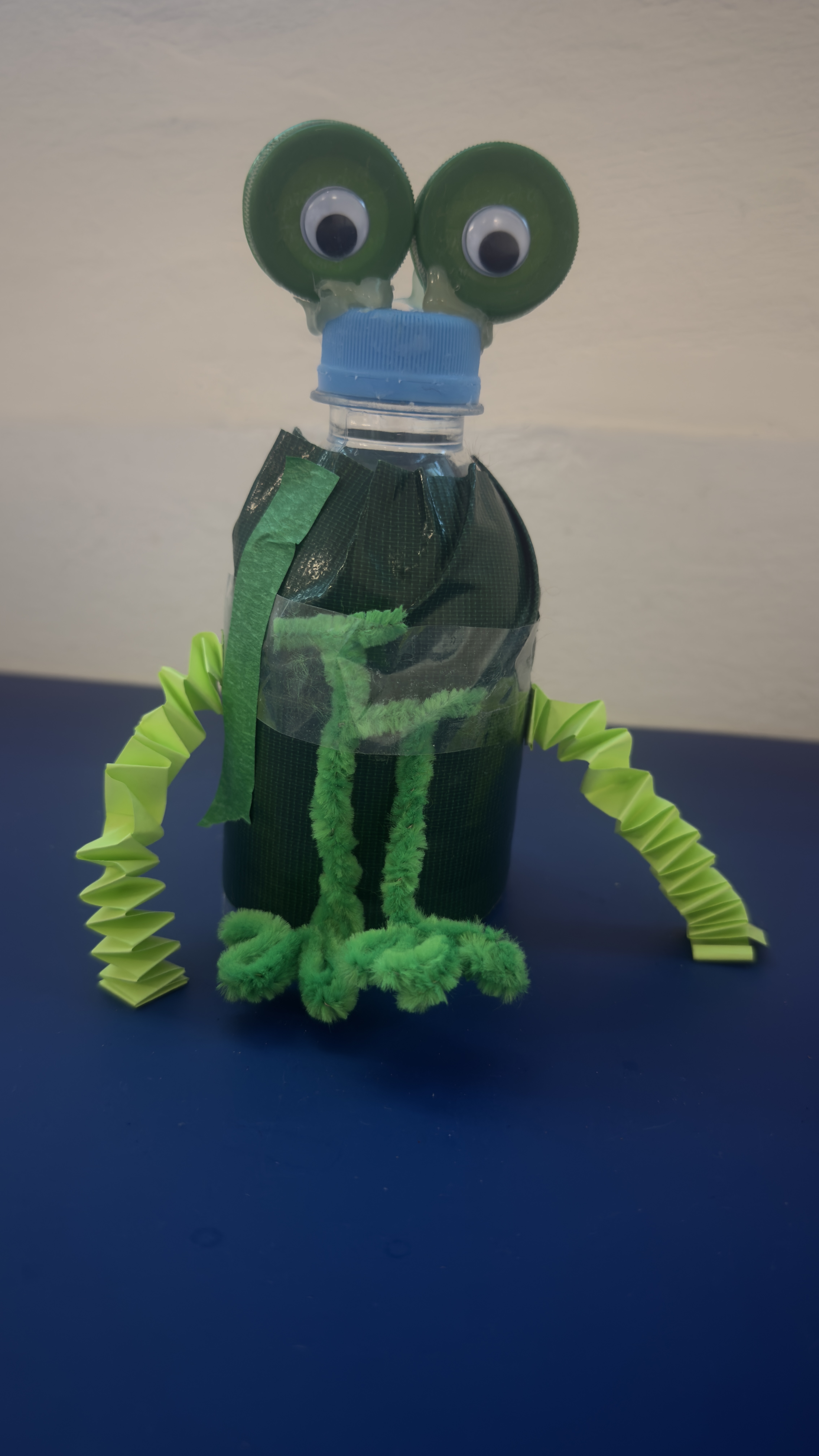
I have collaborated with the teacher in MakerSpace to allow the students to create their products from recycled materials during recess time. The students have the flexibility to create their products at home if they prefer to do so.
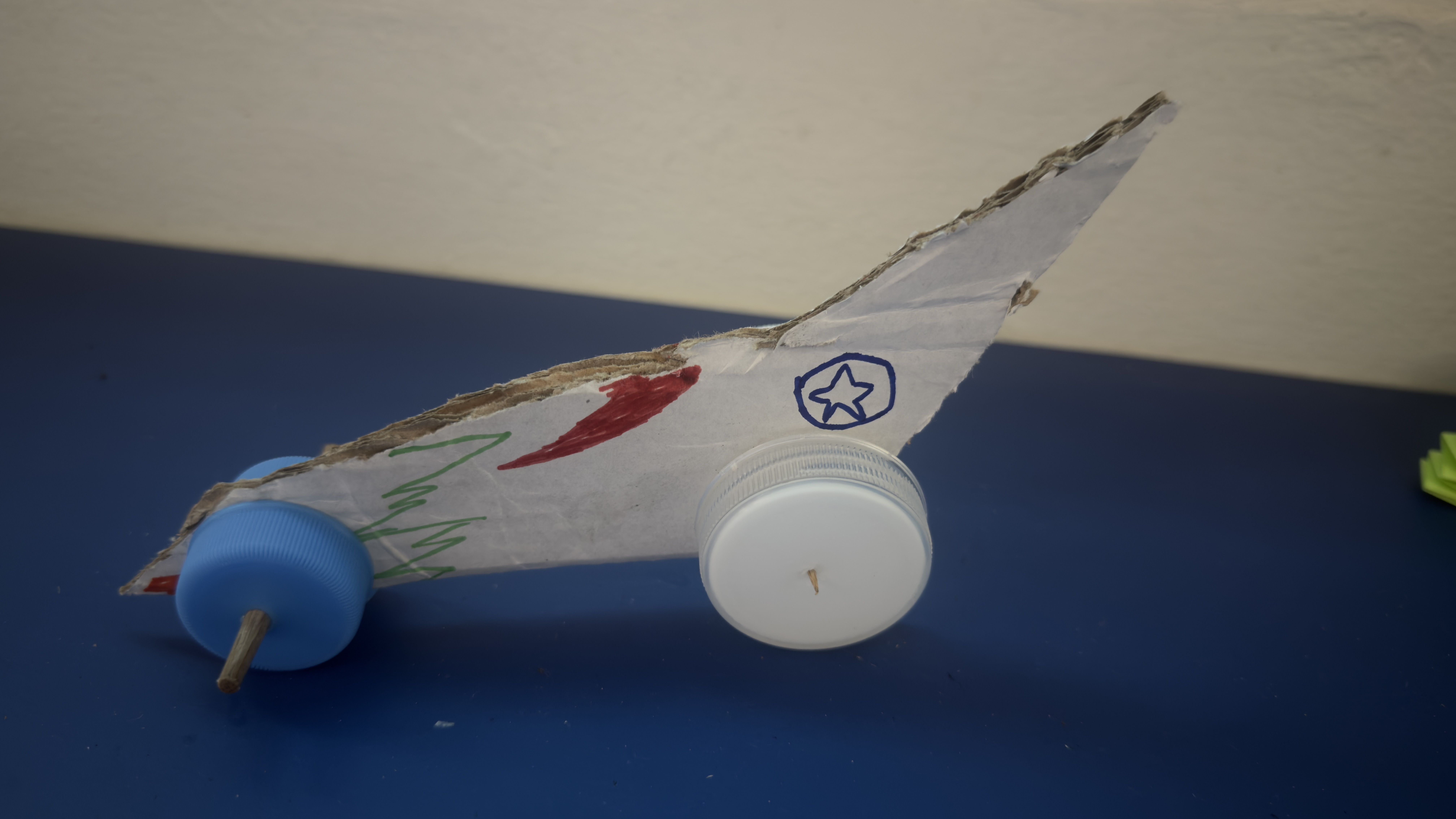
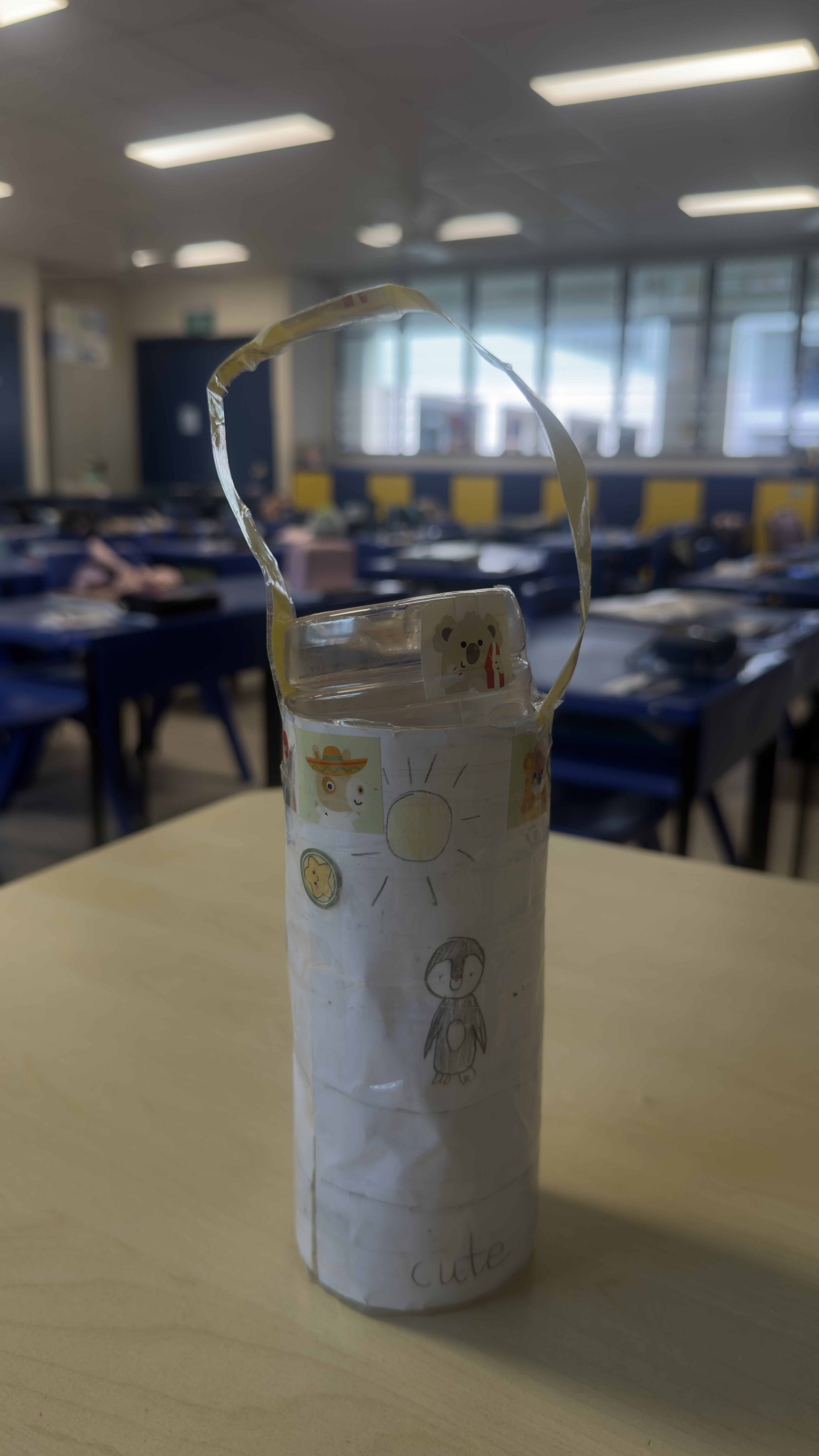
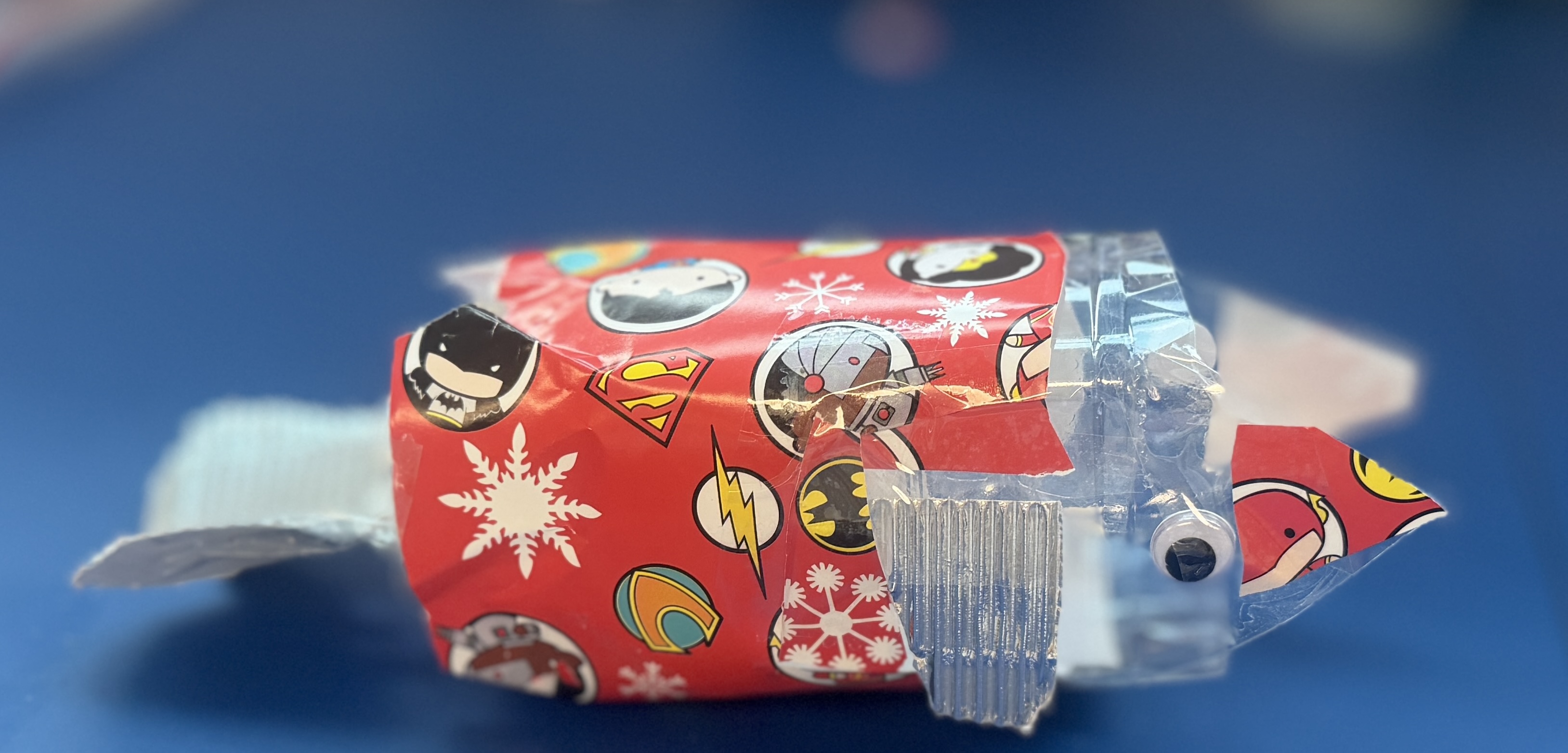
In order to provide them with more information on sustainability, books were borrowed to give them a head start on resources available. Students were also encouraged to borrow books on sustainability from the school library.
Most students were able to write their autobiographies.
• Watch a Youtube Video - Eco-Friendly Habits | What Is Sustainable Living? | The Dr Binocs Show | Peekaboo Kidz • Students set up a recycled corner • Discussion
Experience (Before Reading)
Purpose: Activate prior knowledge and build context
Teacher prompts:
SUGGESTED SUSTAINABILITY VOCABULARY (P3-APPROPRIATE)
Plan and create useful products from recycled materials
Imagine you are a recycled object Write an autobiography to tell your life story — from when you were first used, to how you were recycled, and what you became. Refer to attached worksheet (Pg 1 to 4)
Instructions to pupils:
Step 1
Choose a recycled Object
Example: plastic bottle, paper box, aluminium can, glass jar
Paragraph / Sentence Ideas
Who am I?
I am a plastic bottle. I was used to hold water.
What happened to me?
After that, I was put into a recycling bin.
What did I become?
I was recycled into a flower pot.
How do I help the environment?
Recycling me helps to reduce waste and save the environment.
My message (Optional – for stronger writers)
Please reuse and recycle to care for the Earth.
Step 3
Plan the story
Students plan the story in 1st person perspective with referring to the following:
Beginning – Who am I? How did you come to the world?
How did you feel?
Problem – What happened to me? How did you feel?
Solution – Describe how you were recycled or reused.
Ending – How did you feel in the end? What message do you want to tell the
world?
Helping words are also given to help the low ability pupils. (refer to the attached worksheet)
Step 4
Start to write:
Before the students start to write, the teacher may go through the success criteria so that they are aware of what are the expectations and can self-assess themselves after writing. Three exemplars of different writing (from low ability to high ability) are generated from Chatgpt and shown to them to give them an idea of how it should be written (Refer to attached worksheet – Pg 7 and 8). They are of great help to the low ability students.
Students can add illustrations if they want to.
Rubrics are used to assess the students. (Refer to the worksheet - Pg 5 and 6))
After writing, the teacher can assess the students according to the rubrics. Students can write reflection according to the questions given.
Having trouble? Let us know by completing the form below. We'll do our best to get your issues resolved quickly.
"*" indicates required fields