
- Loading…

In this lesson, students will become familiar with the concept of biomaterials, their types, and differences. They will learn how to make biomaterials and correctly calculate proportions. The final product will be beautiful bookmarks for International Book Day. Laser cutting will be used as an additional technology to create the frame for bookmarks.
This is the student asessment rubric, which a suggest to evaluate students.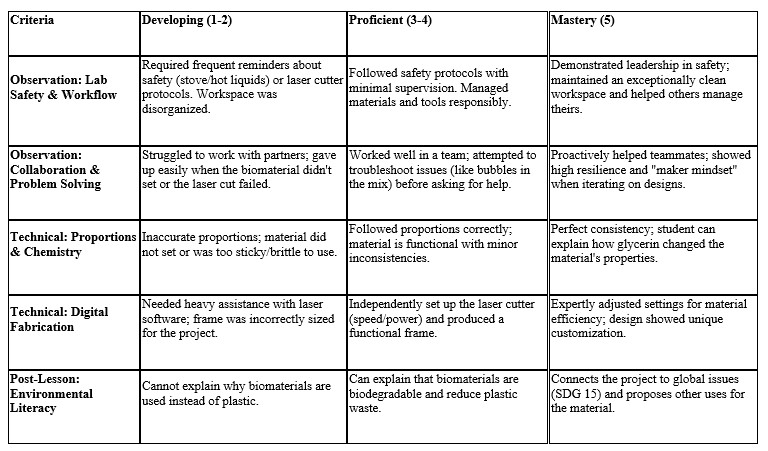
We need
Learning objectives:
• Understand what biomaterials are and identify examples (e.g., leaves, flowers, recycled paper, natural fibers).
• Design and create a flexible, eco-friendly bookmark
• Develop creativity and fine motor skills
• Explain the importance of sustainability and eco-friendly materials.
• Recognize basic principles of design (color, texture, balance).
After this lesson, I realized that for proper time management purposes, it’s possible to define specific roles within the group, for example:
Measurer, mixer, designer, lazer cutter
This will ensure active participation by all students.
It’s also very important to allow the students themselves to share their experiences after the lesson, acting as mentors.
In this section, students discuss issues related to plastic use in nature. We raise the issue of reducing its use and also propose replacing plastic with other materials that are more environmentally friendly.
Answer the Questions:
Discuss
A teacher and students watch a presentation about biomaterials, their uses, types, and advantages over plastic.
During the viewing process, questions are asked to consolidate the material:
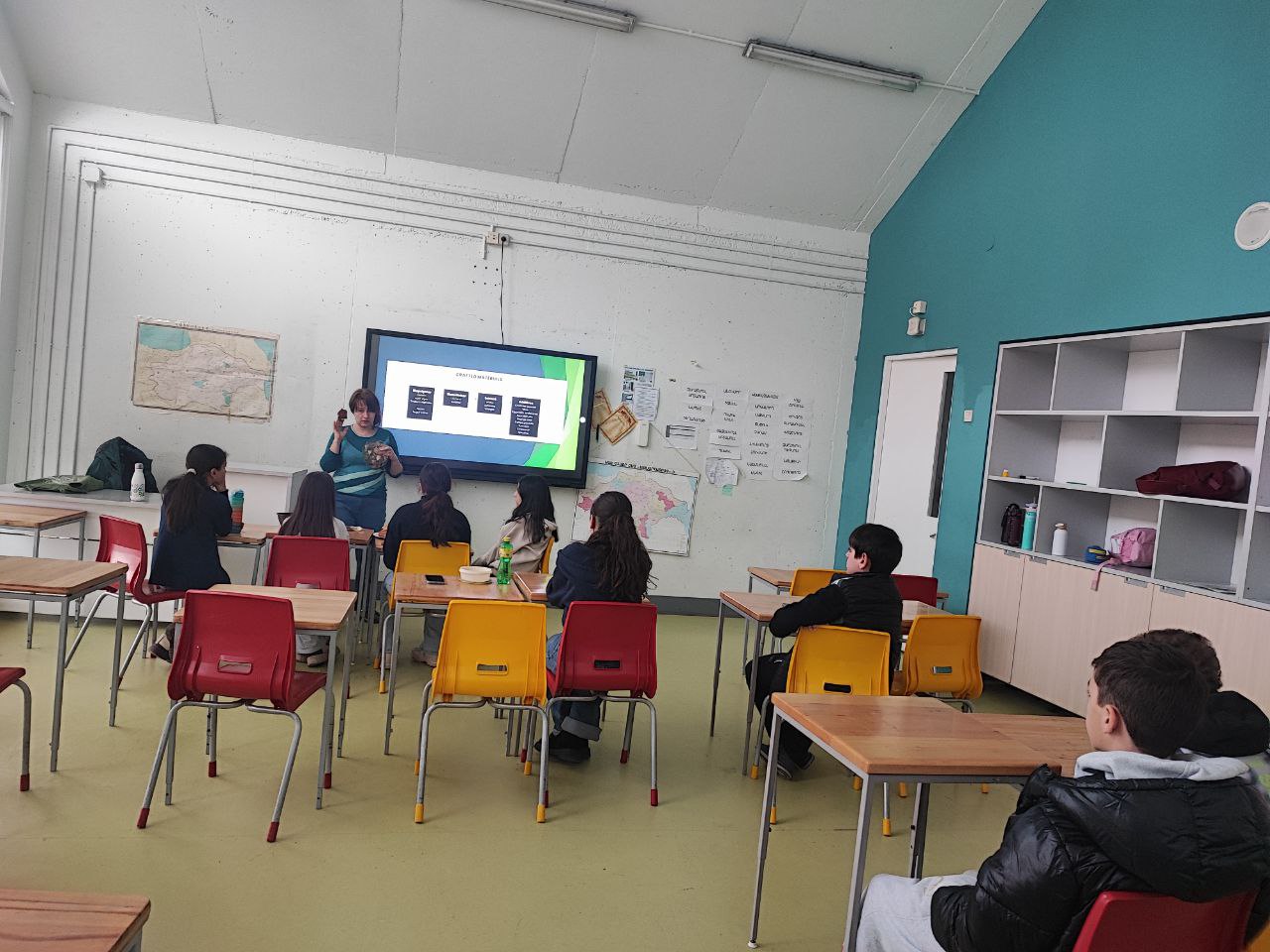
Students fabricate a rectangular plywood frame using laser cutting. They then prepare the frame for filling with biomaterials.
At this stage, they learn how to correctly select laser cutting parameters for a given type of plywood, while also mastering the basics of molding. As a final product we get a frame of rectangular shape with a base. Af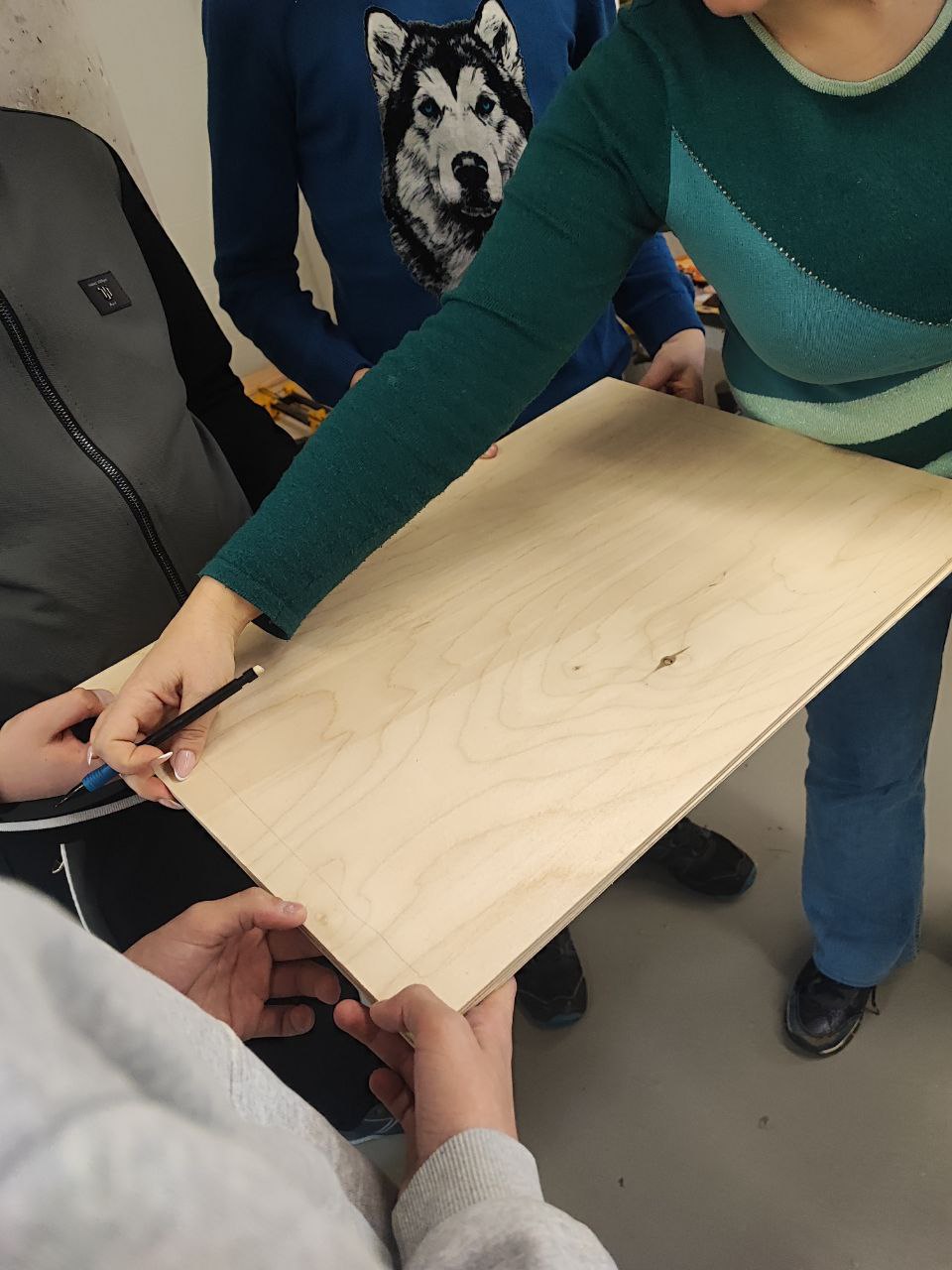
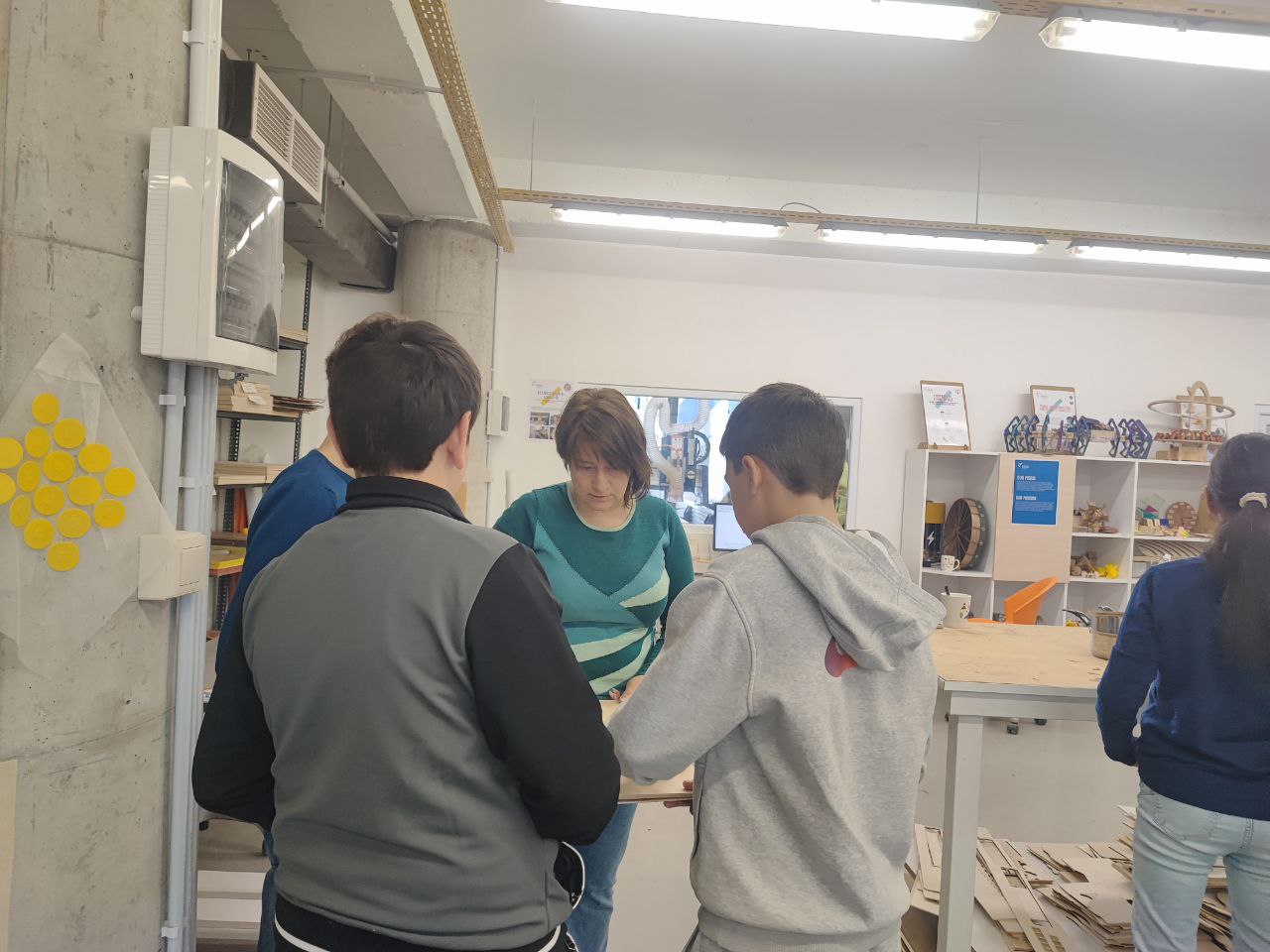
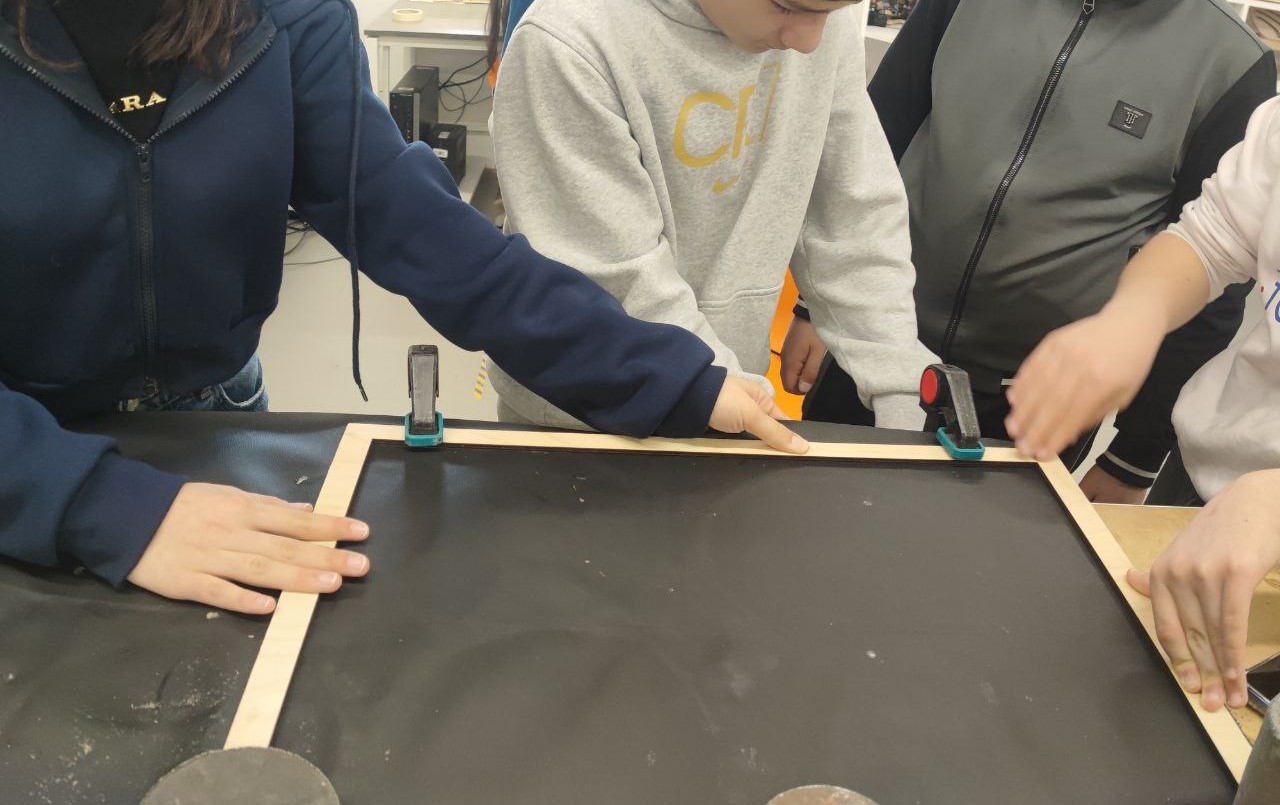
Students make biomaterials with gelatin Students mix the ingredients for the biomaterials using the correct proportions. Pour the resulting mixture into a frame. Decorate the mixture with dried flowers, thread, or spices. Leave until completely dry.
Students learn to correctly calculate proportions, applying mathematical knowledge.They also learn to prepare biomaterials while maintaining safety precautions.
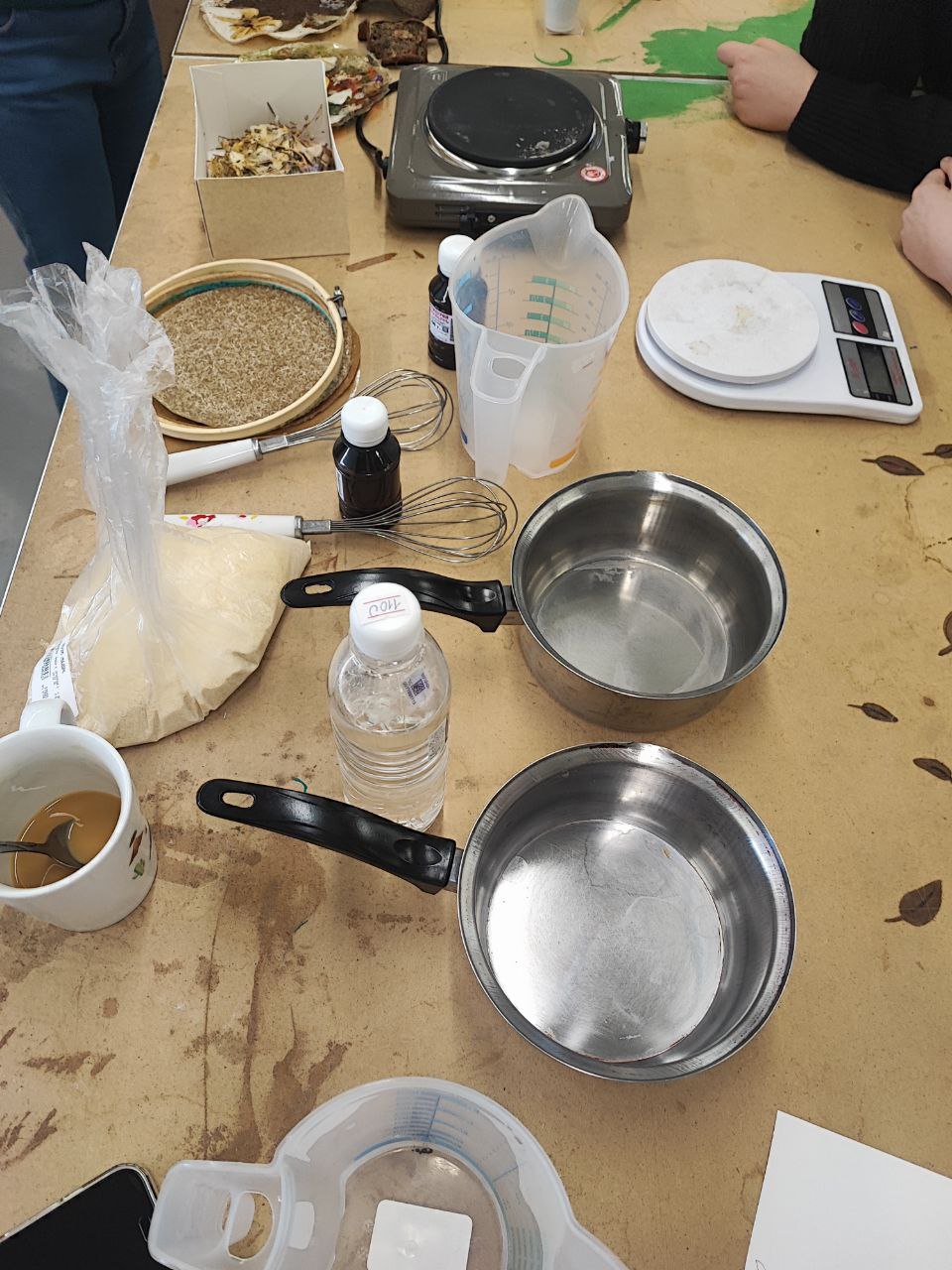
Furthermore, before attempting larger volumes, they test them on small, ready-made frames.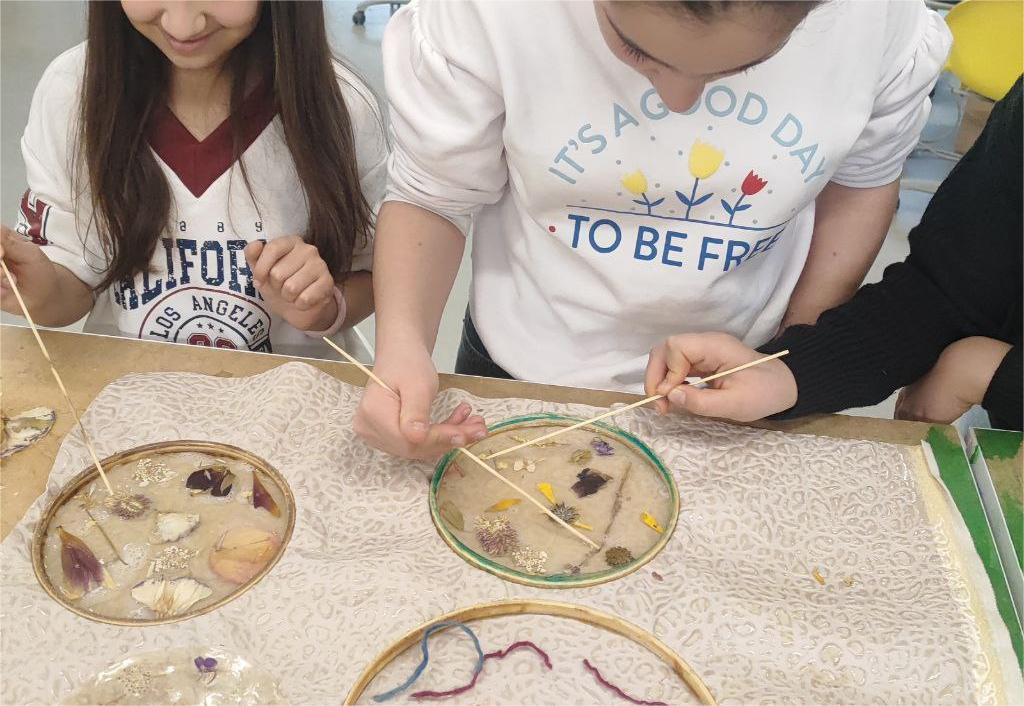
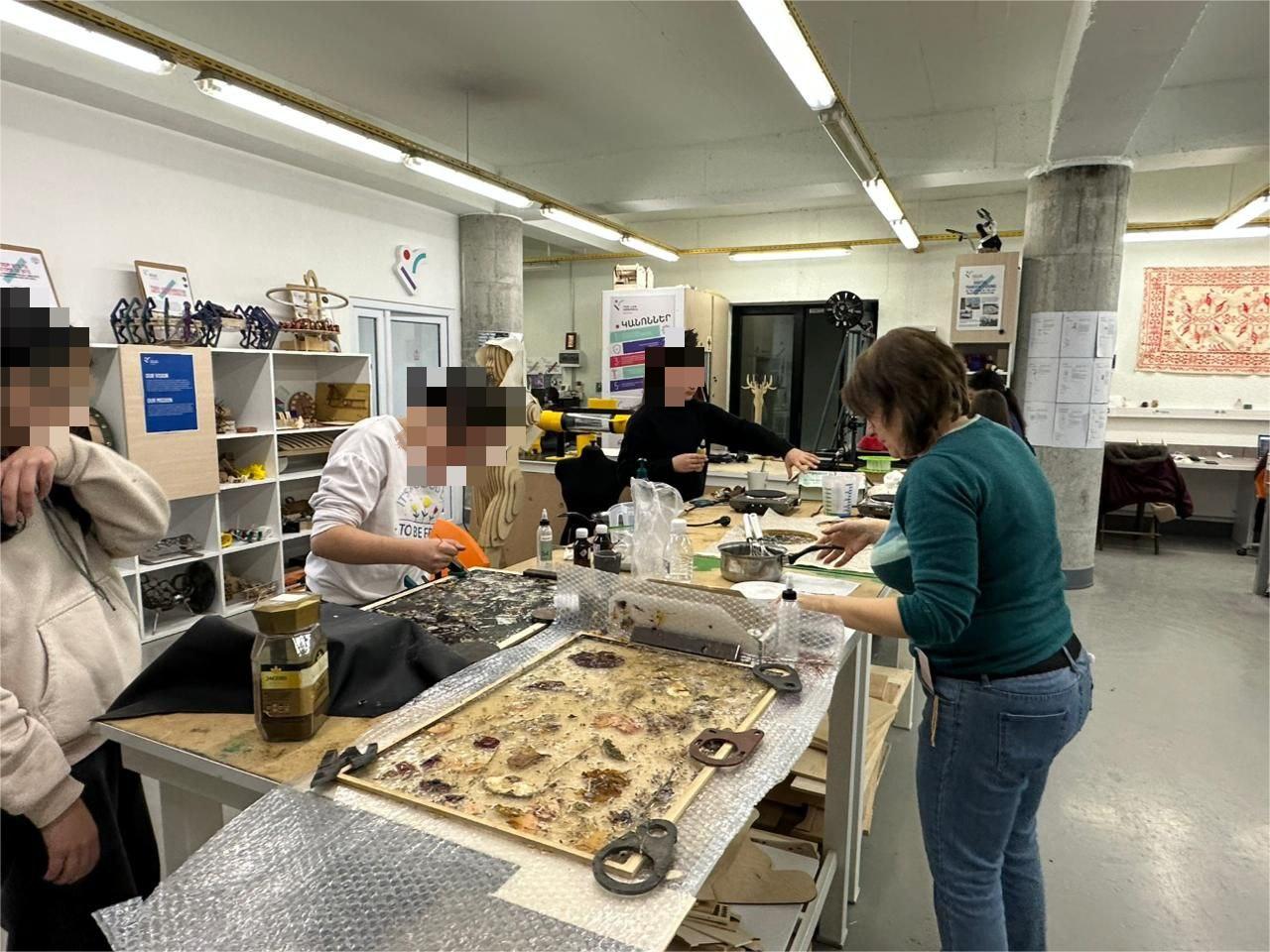
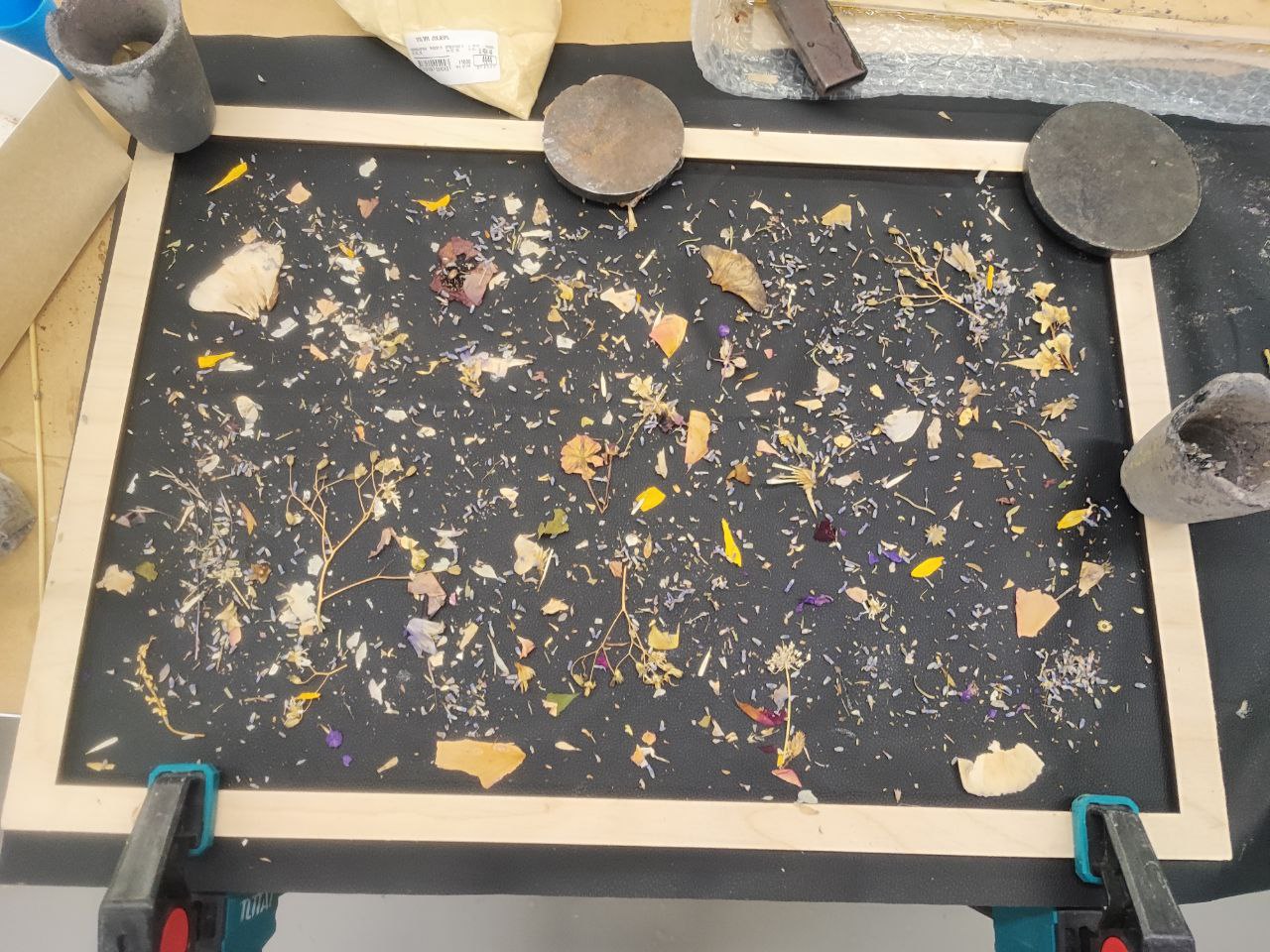
After the biomaterial has dried /2-3day later/, the students remove the film. They cut the biomaterial into strips. They then make holes and attach strings made of natural rope.
Students evaluate the quality of the obtained biomaterials.
They compare the biomaterial obtained in a small frame with the biomaterial obtained in a large frame, which contained less gelatin, and note that the tabs from the large frame are less flexible but more durable.


As a final result, we get bookmarks made from natural materials.
As a final result, we got bookmarks made from natural materials, which the students gave to their friends for Book Day.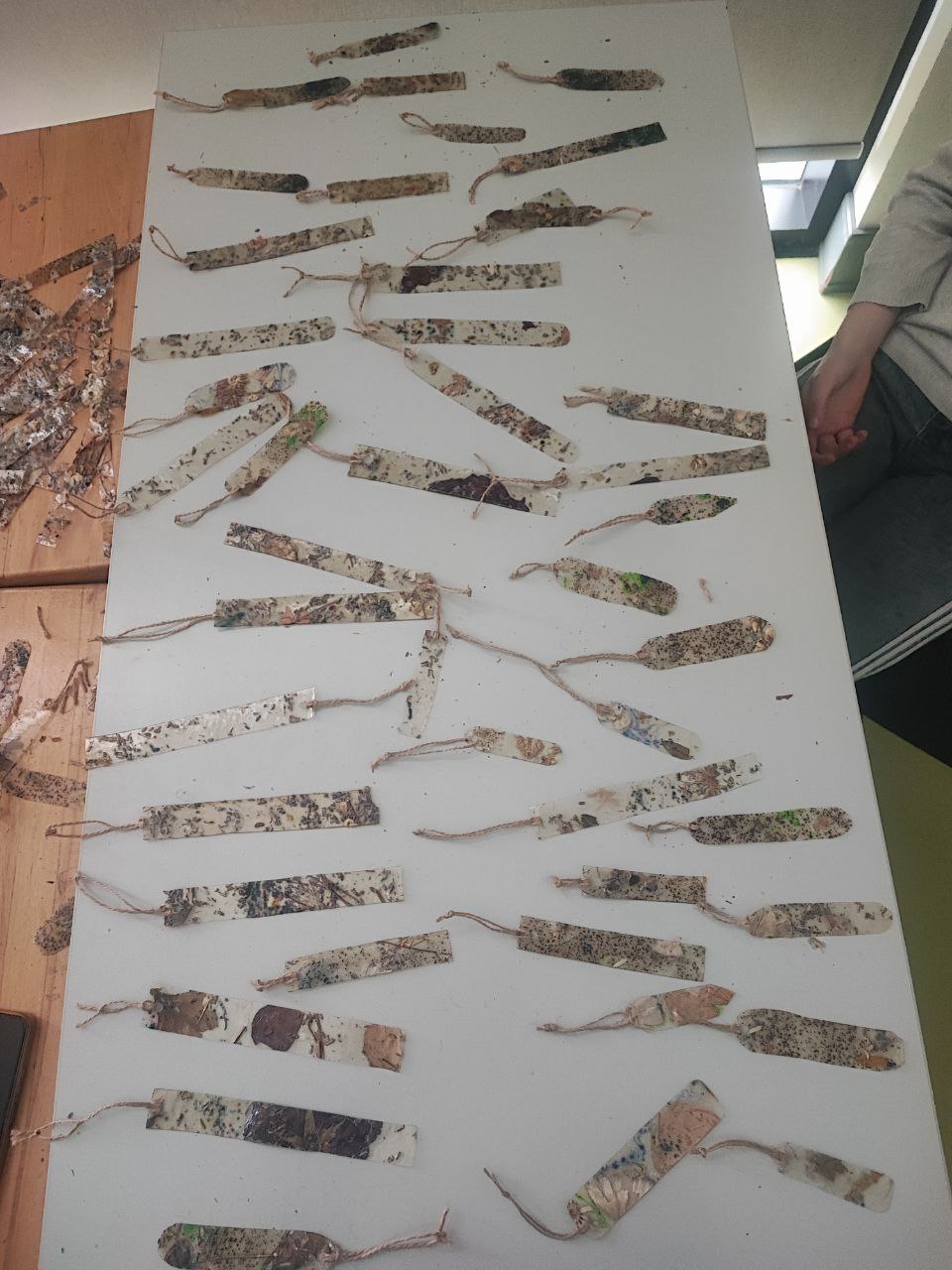
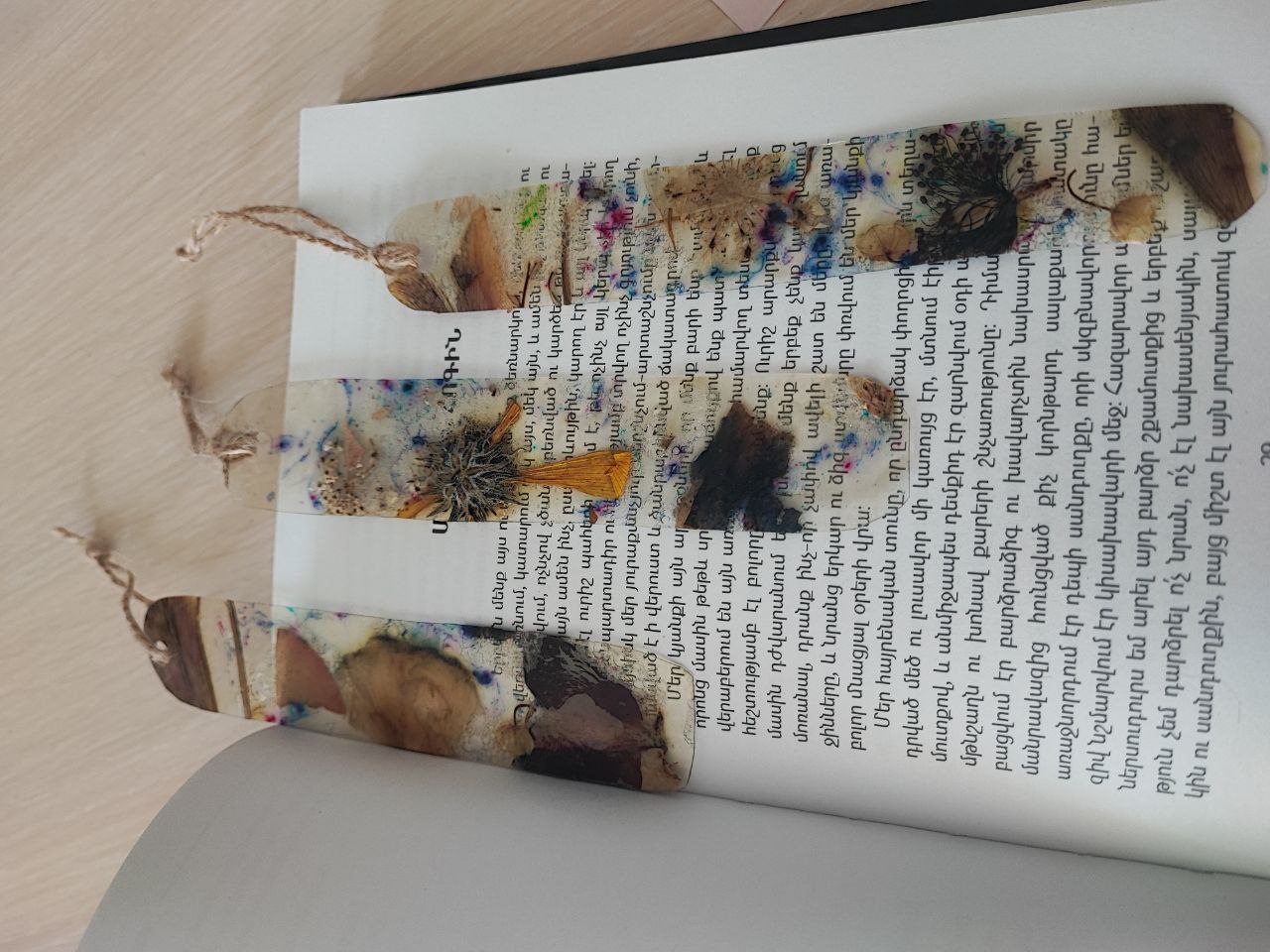
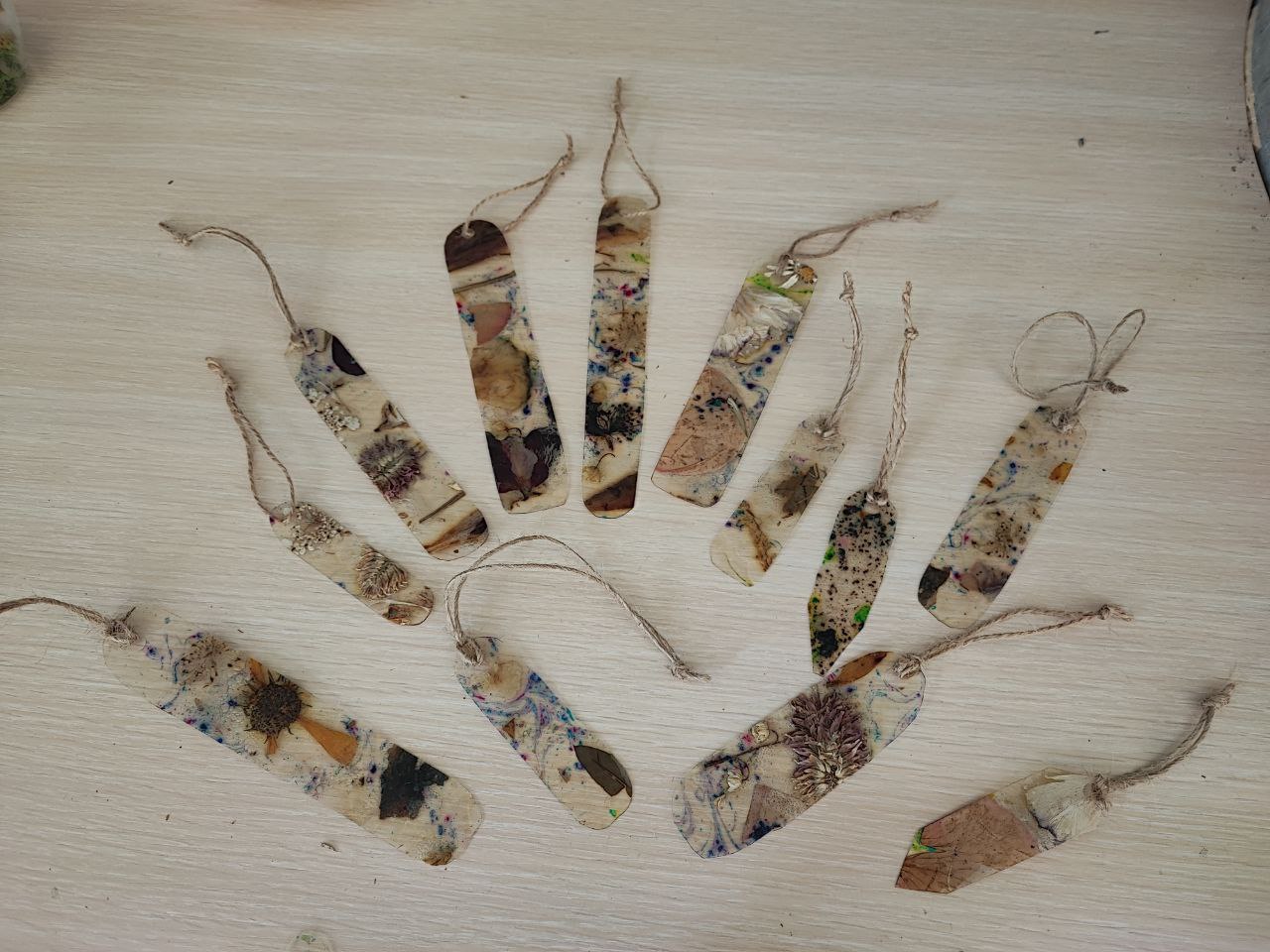
Reflections from students Collegue reflection The lesson plan was tested for compliance with the rubric using AI.
The teacher sends a Google Form with questions, then collects the answers and analyzes them.
The teacher who tested this lesson writes a feedback of lesson
AI score final lesson plan and rubric using the Assessment Rubric for THIS Field Activity.
Having trouble? Let us know by completing the form below. We'll do our best to get your issues resolved quickly.
"*" indicates required fields