
- Loading…

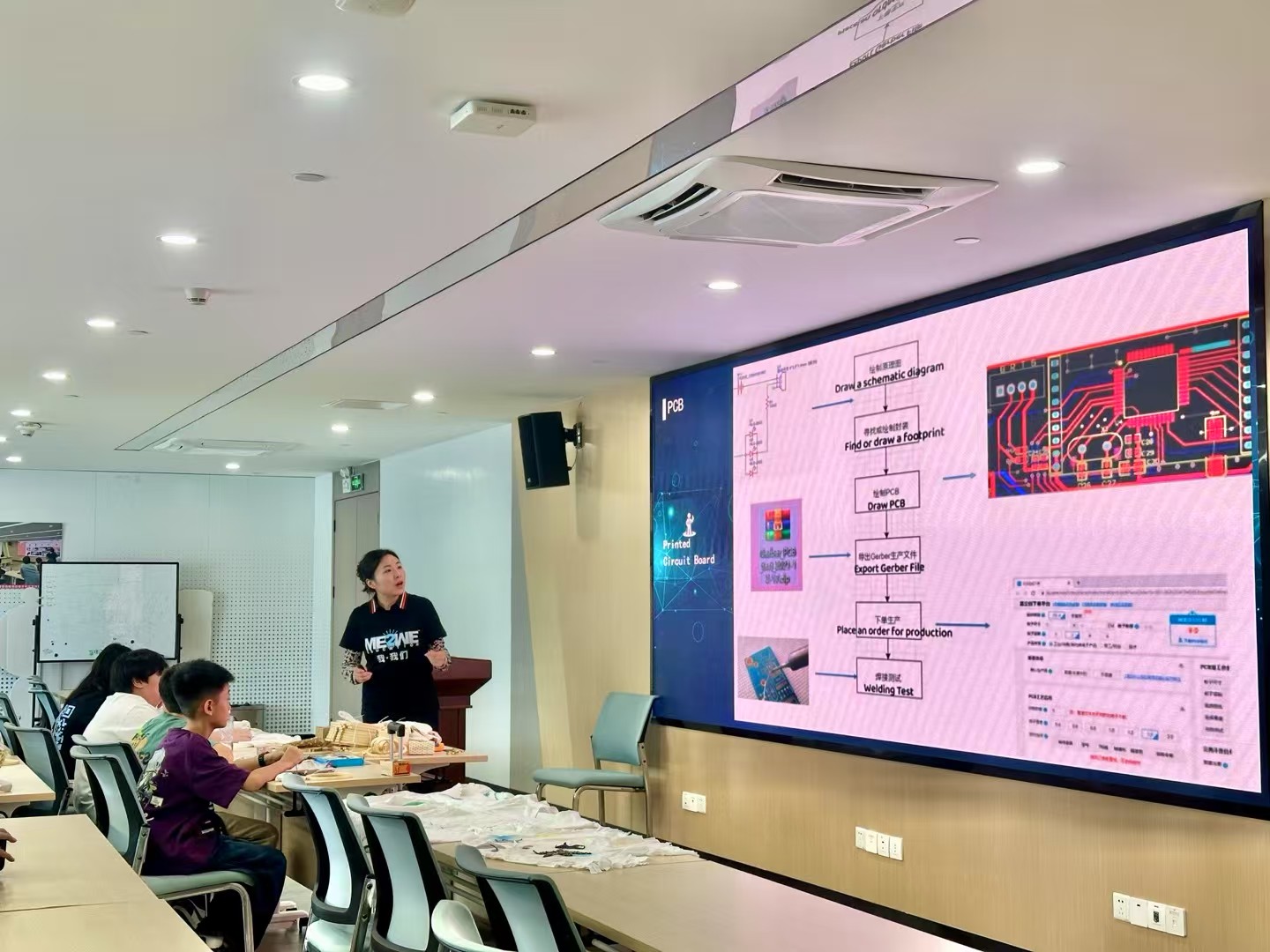
Through this course, students will learn the complete process of circuit board design and fabrication, and realize simple wearable functions by sewing the circuit boards onto clothing.The general idea of this course is to help students master the basic knowledge of Batter-Resistor Circuit.Explore basic electricity relationships.
– Cross-stitch auxiliary tools
– Mainboard
– Battery
– Needles and threads
– Fabric
– Control panel
– Conductor wire
– Nail polish
– Scissors
– Sensors(3-8 pieces)
– Pencials
The general idea of this course is to help students master the basic knowledge of battery-resistor circuits and explore fundamental electrical relationships.
-Explain basic electrical principles in series and parallel circuits.
-Use an ammeter and a voltmeter to collect readings in circuits.
-Provide logical reasoning to explain measurements and relationships in electric circuits.
-Construct physical circuits based on schematic diagrams.
-Determine whether common everyday objects are conductors or insulators.
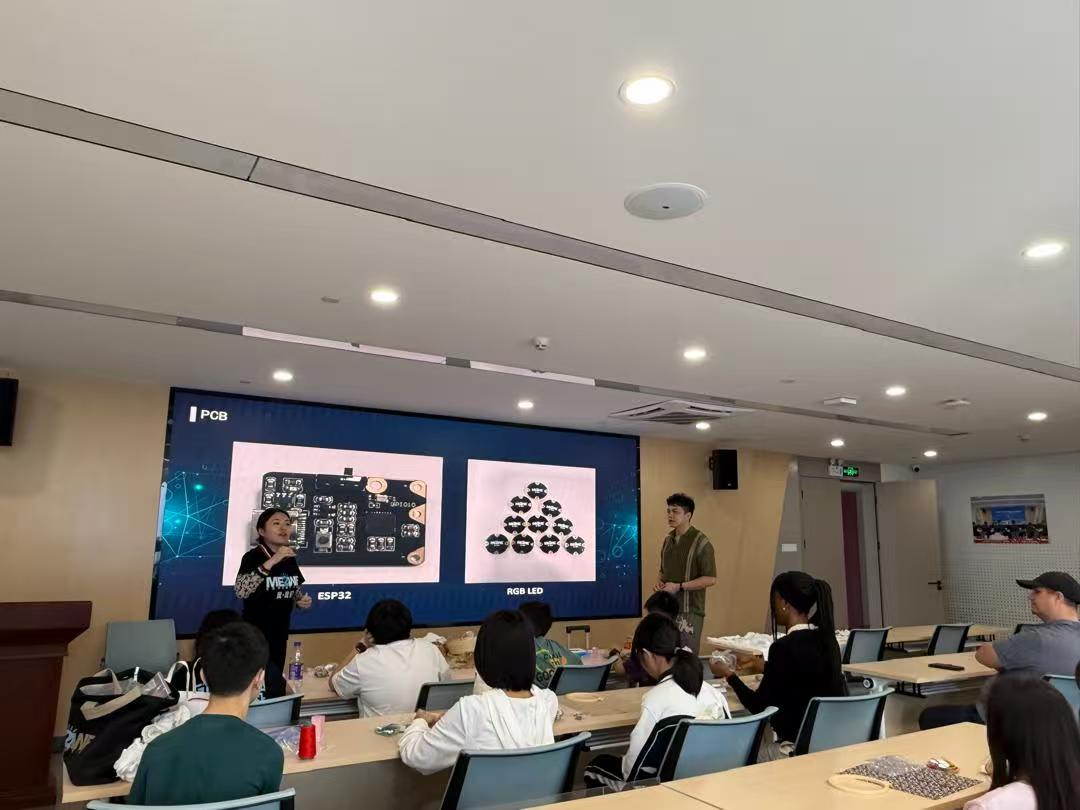
The general idea of this course is to help students master the basic knowledge of Batter-Resistor Circuit. So at the beginning of the course I need to show the work flow of the batter-Resistor Circuit. Students will understand better then we move to our main board introduction and how sensors work. Short circuits are likely to occur during the sewing process, so some tools are needed to assist students in completing the project. Since the process is also relatively time-consuming, students can start by implementing the wearable function with 3 sensors. Those who have extra capacity can increase the number of sensors to finish their works within the limited class time.Make sure the course is both flexible and challenging.
Through this course, students will learn the complete process of circuit board design and fabrication, and realize simple wearable functions by sewing the circuit boards onto clothing. At the same time, students will understand the basics of simple circuit design, how to achieve electrical conduction, and the fundamental knowledge of how positive and negative poles work with resistors to enable current flow.
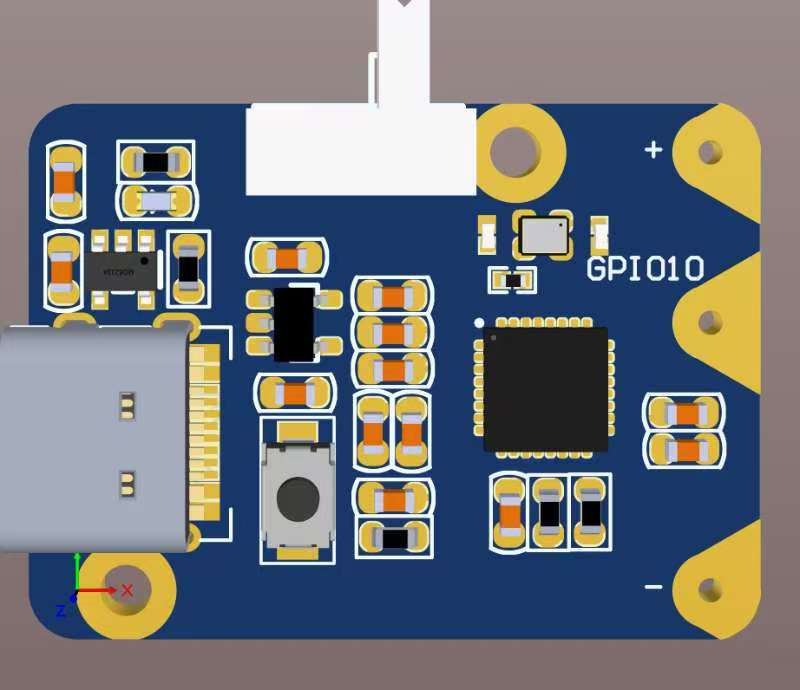
Show our PCB
Follow the links to understand the fundamental knowledge of how positive and negative poles work with resistors to enable current flow.
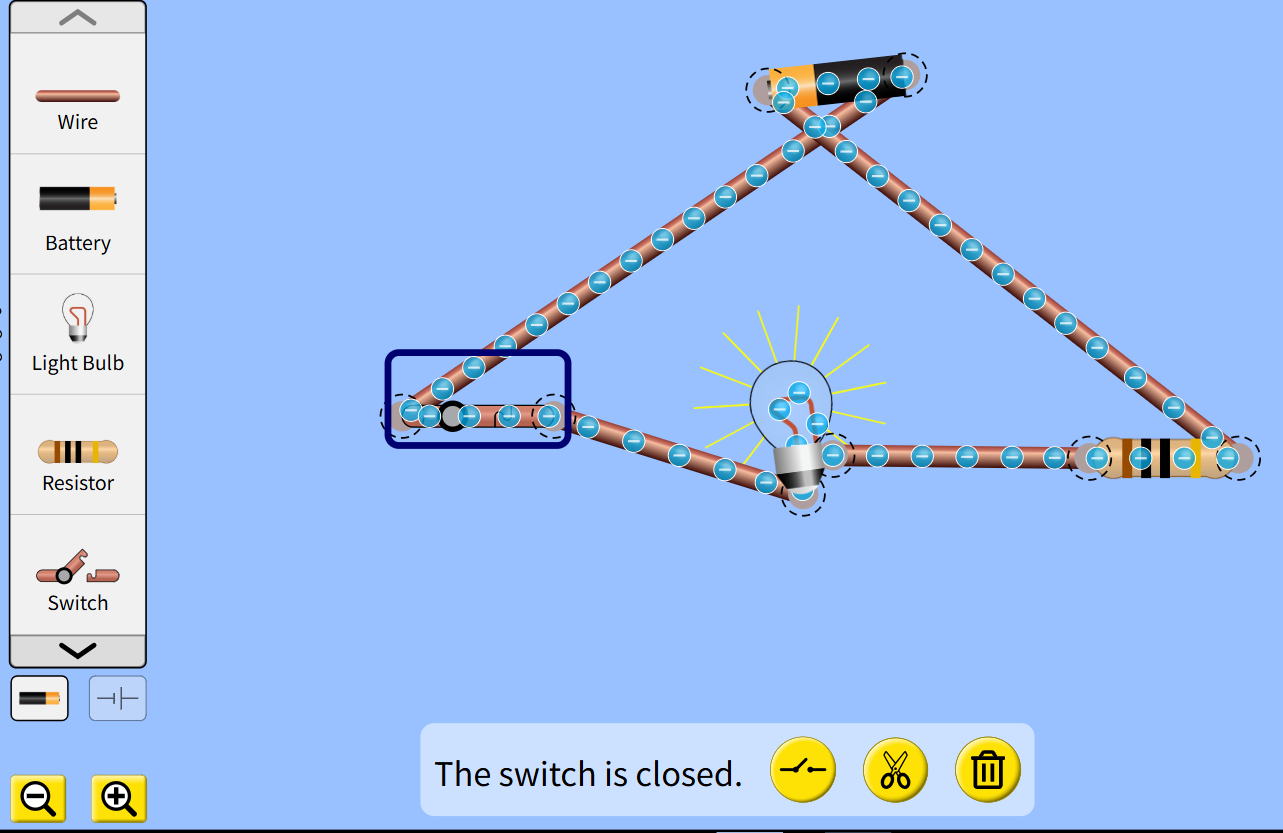
Log in the website https://phet.colorado.edu/sims/html/circuit-construction-kit-dc/latest/circuit-construction-kit-dc_all.html Let students first try to make a light bulb light up. Then add a switch step by step, followed by a resistor. Ask students to observe whether the circuit is connected and if the bulb turns on. Also, let them try a parallel connection to make two bulbs light up at the same time.
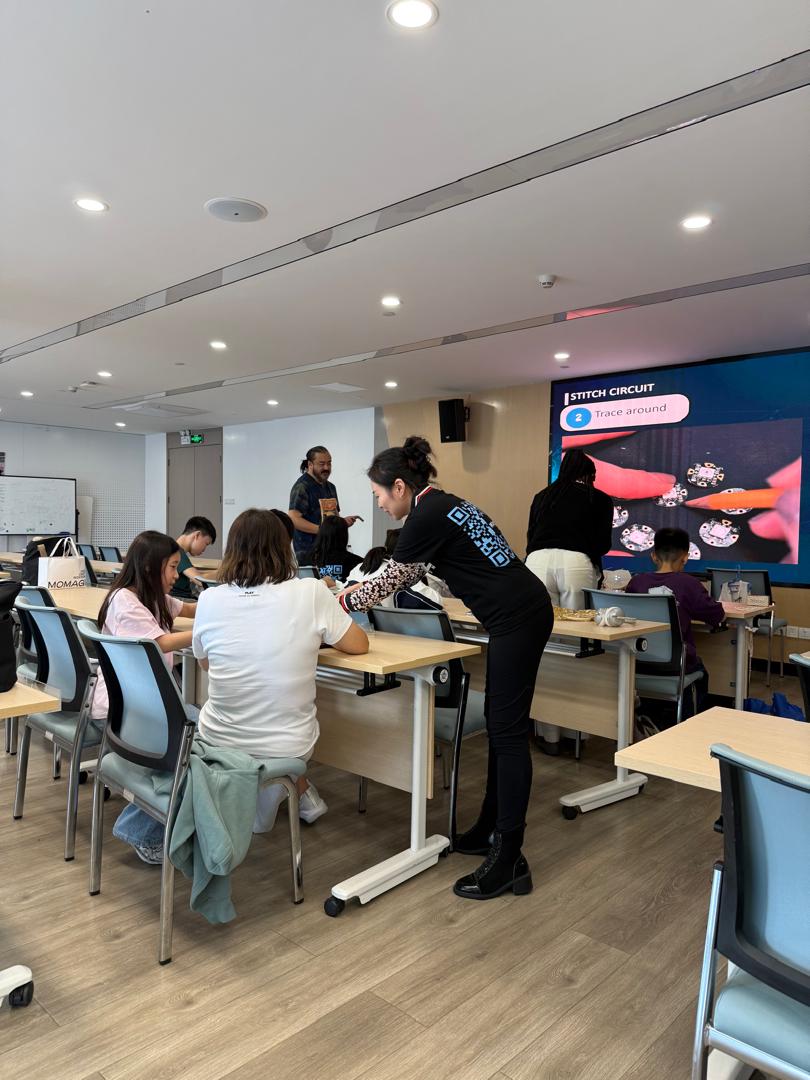
Let's start stitching. 1. Place a hoop 2. Trace around 3.Start stitching 4. Trace the perimeter 5. Plug in the USB cable

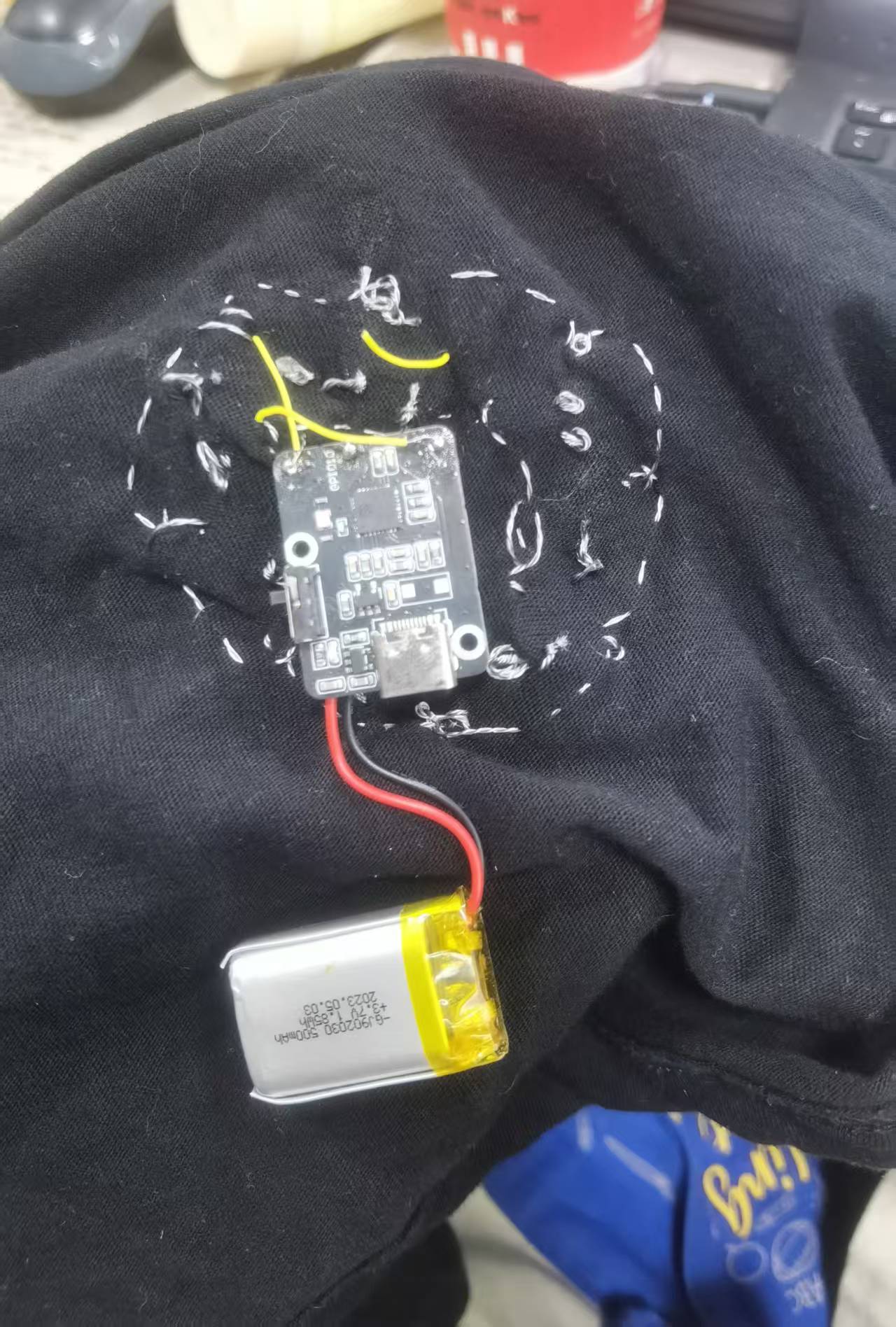
Test your new components' connections to GEMMA with a multimeter. If everything checks out, plug in your battery and pat yourself on the back!

NeoPixels are chained together with data input coming from GEMMA GPI0, all + to Vout and all - to +.All positive connect with positive , and the same time negative connect with negative.

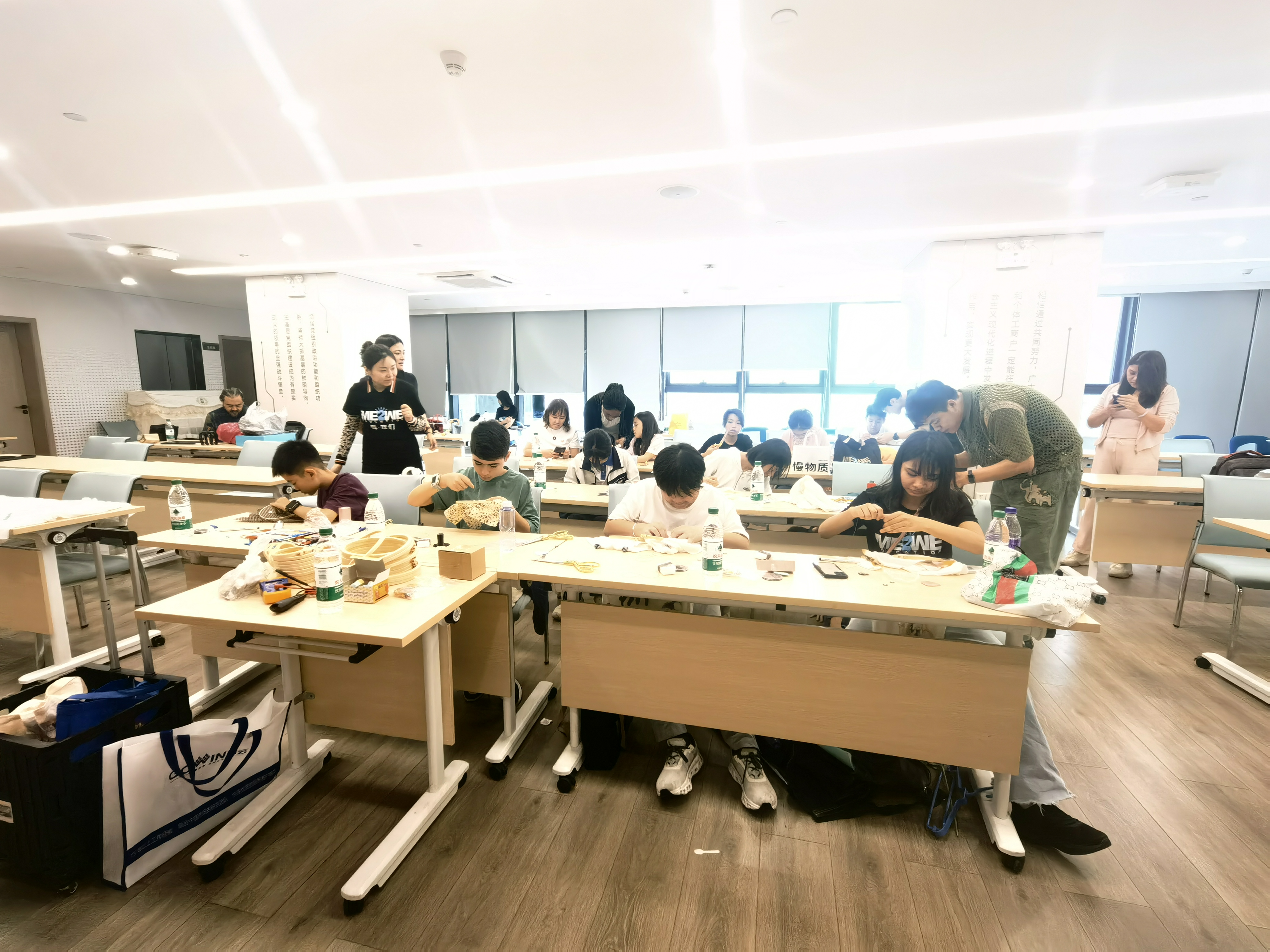
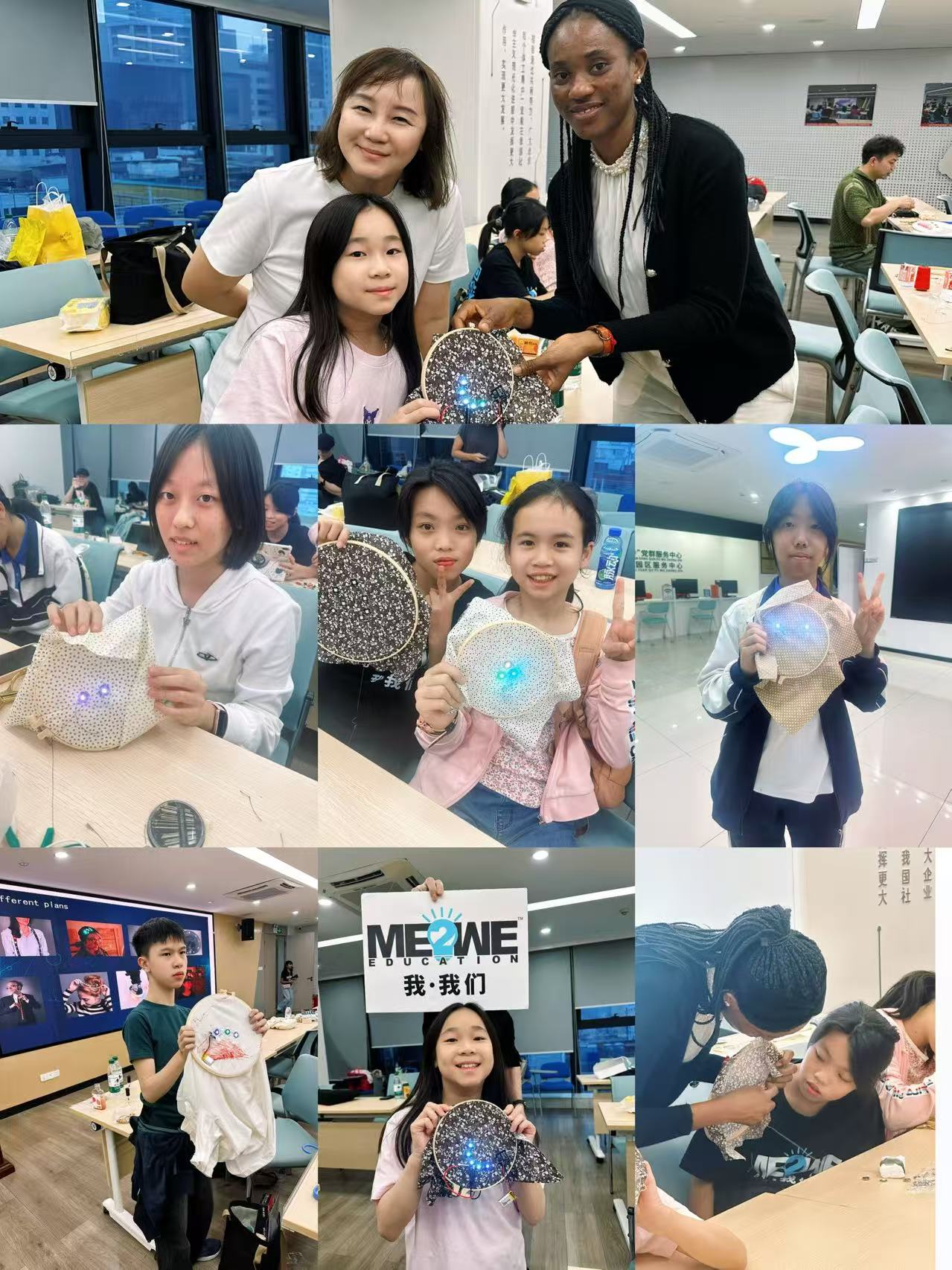
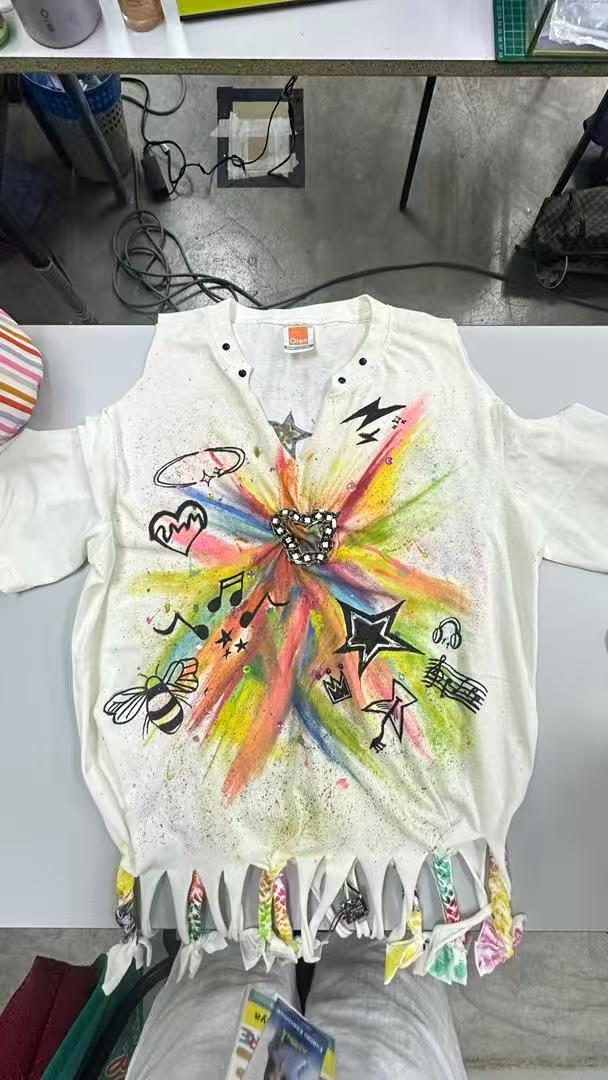
Students sew the PCB boards onto different parts of the T-shirt following the schematic diagram. After connecting the battery, if the circuit powers up normally, the lights on the PCB board will glow in different colors. During the sewing process, some students find that due to the material of the conductive thread, the thread cannot lie flat against the PCB board or leaves excess loose length. Nail polish is used to secure the conductive thread in place to keep the T-shirt looking neat and tidy.
Having trouble? Let us know by completing the form below. We'll do our best to get your issues resolved quickly.
"*" indicates required fields