- Loading…
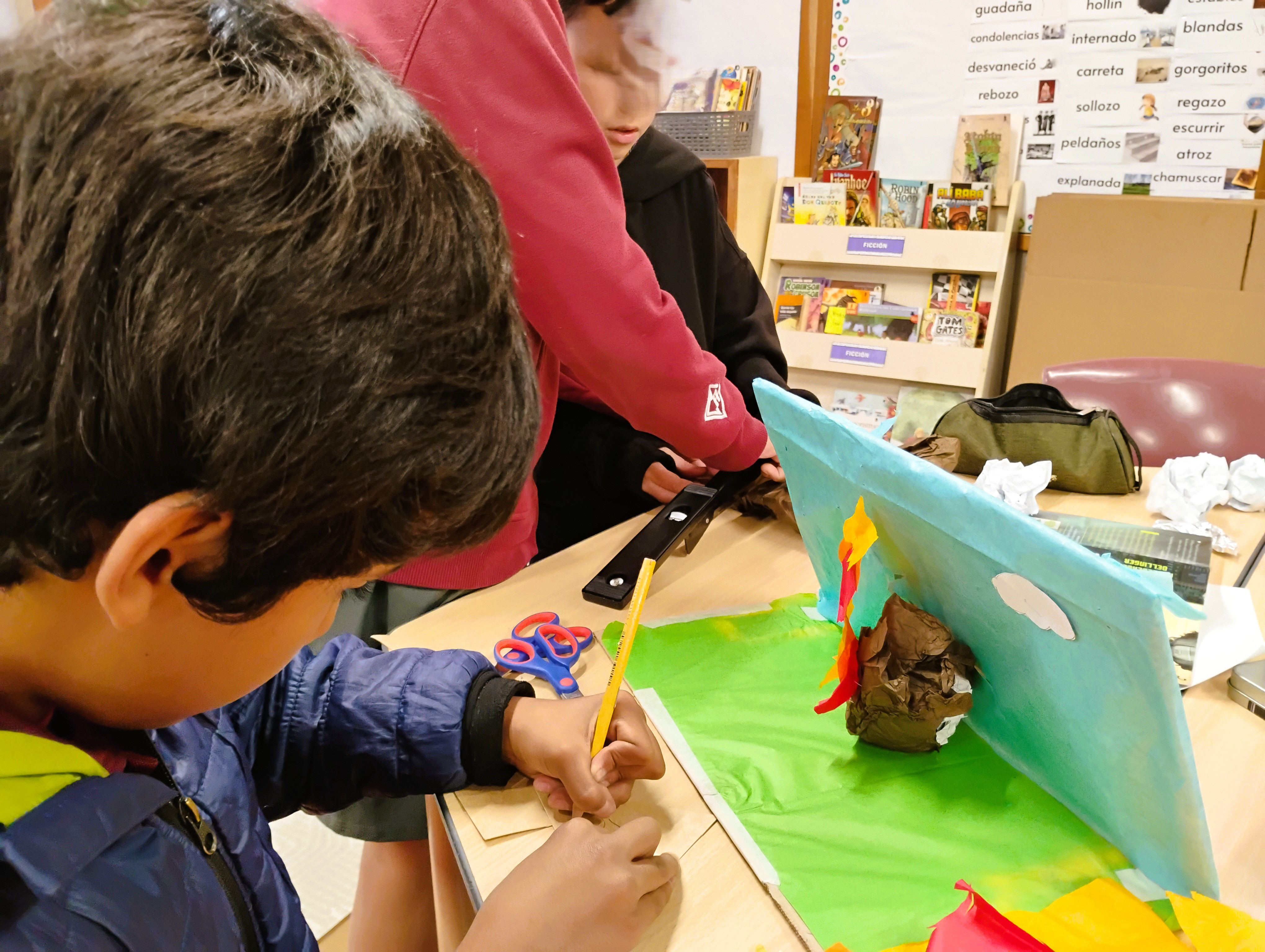
This is a lesson where students explore circuits, storytelling principles and build a scenario to present their story. The idea is that a group of students imagine and create a story considering beginning, middle and end by building backgrounds, characters and additional props they need. Also some important considerations are that at least one part of the story needs to be lit up using a minimum of one circuit. The story needs to have a moral or teaching a value in some moment of the story.
** Important. Since this project takes several weeks. I am in the planning phase and that’s why I don’t have as many picture I would like to share yet. I will update this unit again in February.

Copper or aluminum foil.
Light leds
Coin batteries
Cardboard
All the reusable materials your students can have access.
A box
Device to record the story
At the end of the project students will…
1.How well did the activity align with your intended curriculum or standards, and what adjustments (if any) would strengthen this alignment?
Since I develop STEAM projects this was an example of what I do in my class. What I do is that I reinforce the standards that students work in other classes like Science. In this case I support the NGSS related to energy and for sure the Engineering Design Standards. Besides that there was a lot of art areas involved since students designed the background (s), props and more elements. For last, literacy was part of this project since students learned about storytelling principles.
2.In what ways did students’ ZPD guide your decisions about pacing, scaffolding, or complexity of the activity?
I think it’s important to determine previous knowledge and see for whom it is very easy to integrate circuits and storytelling in their learning and for whom the concept and the skill might be so abstract. That part might be more difficult than the rest of learning concepts and skills.
3.What support did you provide in the lesson plan to support diverse student needs? How did these supports work in the overall lesson?
First, different ways to explore circuits like a solid teaching time and then practice through a variety of exercises that let the students fail before they have to use the circuit in real experience. Second, an important thing to consider was the freedom they had to decide how and where to use at least one circuit that had to do with their imagination and creativity when they plan the story and all its elements.
4.After testing the lesson, what changes would you make to better meet diverse learner needs or to better maintain the learning objectives?
I would try other ways to make circuits like using wire instead only copper and aluminum foil paper. I also will invite an expert to share a real experience in the real world.
Invest time exploring basic circuits using conductor materials, led light and batteries.
Activate curiosity and let your students ask questions from observing toys that light up, a flashlight etc. Ask them how do we use them in the real life, how do they work etc. Teach concepts of circuits (energy, conductivity). Then let your students play with the lights and batteries. After that, ask them to light up a LED light by using a circuit path and following it with the conductor material.
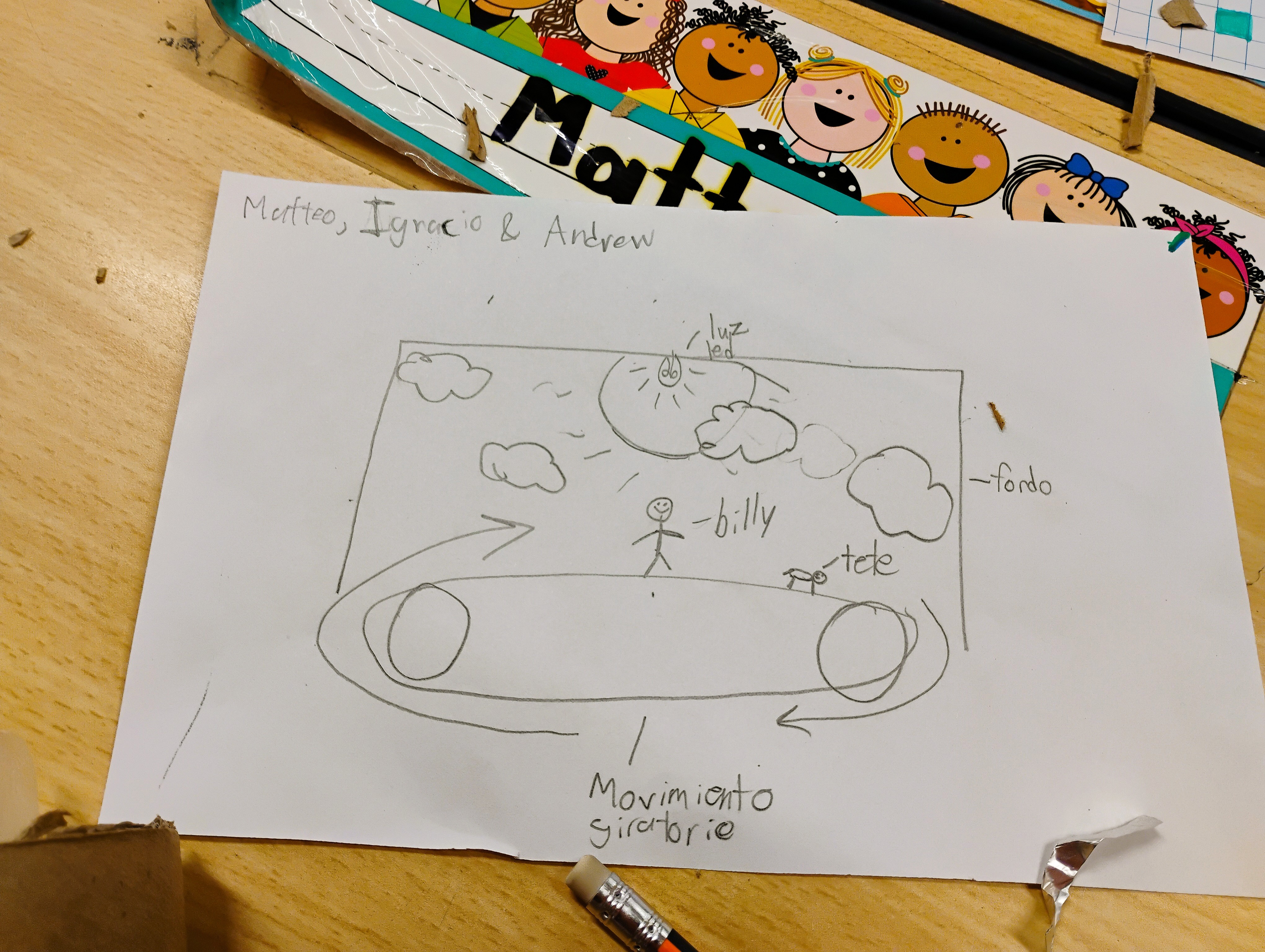
This is a space to let your students sketch their ideas and to plan what they are going to do among the whole project from the script to the developing of their ideas and the integration of the circuit.
During this part students have the time to build and create their ideas according to what they planned.
This is the time where students present their play considering the criteria requested.
Having trouble? Let us know by completing the form below. We'll do our best to get your issues resolved quickly.
"*" indicates required fields