New Year Greetings with electronics – SCOPES-DF

Lesson Details

Subjects *
Age Ranges *
8-11,

Author

Yelena Prokofeva
Yelena Prokofeva
K-12 teacher
Born and raised in Dilijan, Armenia, she is married and has three sons. Loves learning new things and exploring the world. Considers working with children her calling.  “Even after a heavy rain, there’s a rainbow in the sky” Read More

Summary

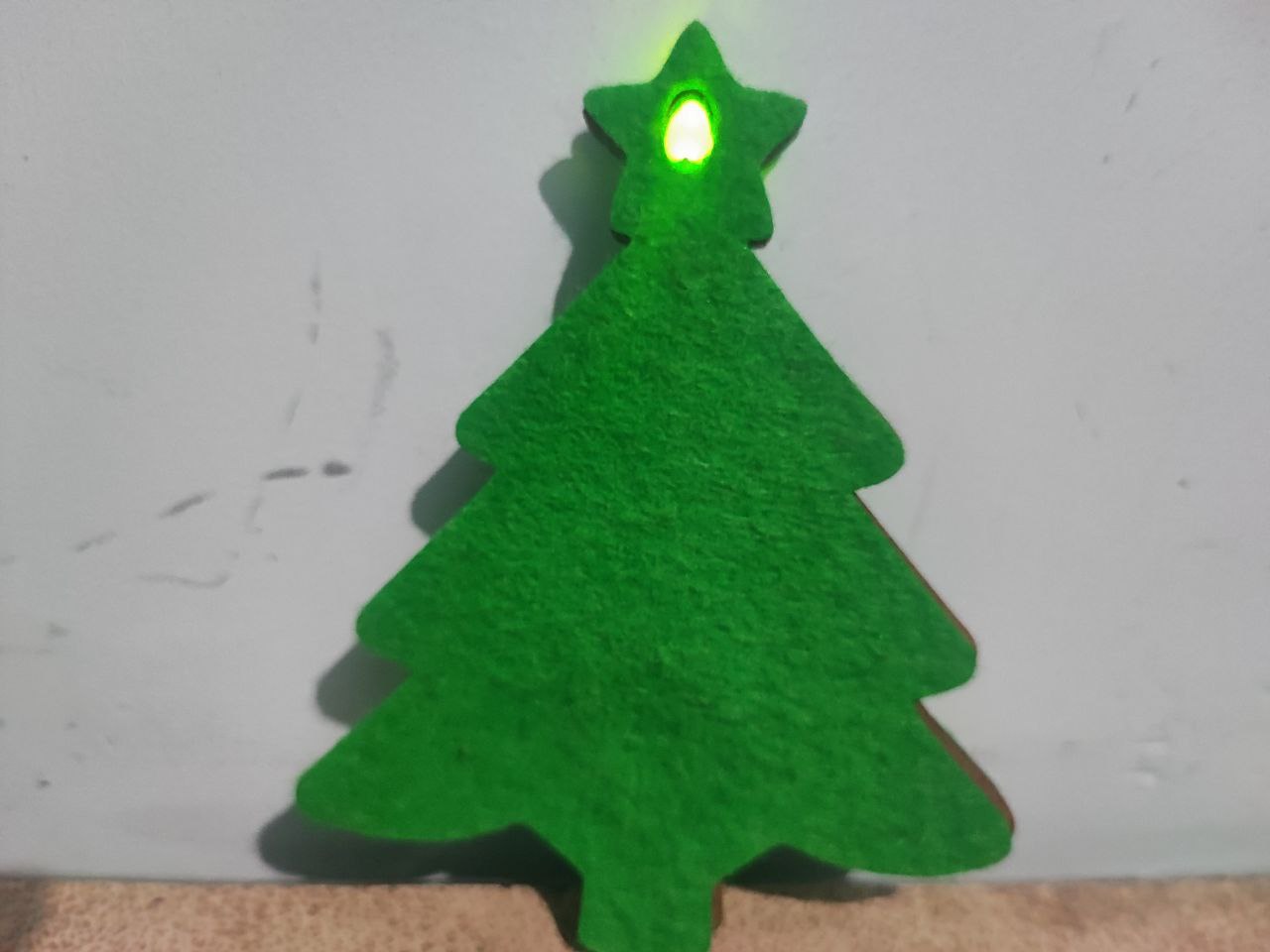
The main goal of this lesson is to create a simple electrical Christmas toy that lights up when pressed.


During this lesson, we’ll explore simple electrical circuits, how they work, what simple components they consist of, and what elements are essential for an electrical circuit to function.
What You'll Need

For this lesson you will need:


Learning Objectives

Students should:

  1. Know the basic safety rules for working with electricity
  2. Recognize the basic elements of an electrical circuit
  3. Understand the concepts of condactivity.
  4. Have a basic understanding of how an electrical circuit works


Reflection

This activity was a good fit for several reasons:

At the beginning of the school year, this class learned the basics of electronics in science class, and some of the concepts would be familiar to them.

The topic was well chosen because a fair is planned for the New Year, where these toys will be sold.

The only adjustment would be that the class does not include students with disabilities. Their presence would create additional opportunities for adapting the curriculum.

The Instructions

Introduсtion (20 minutes)

We speak about electricity.

Discussing basic concepts of electricity:


  1. Current, resistance, and voltage.
  2. Conductors and insolators
  3. Basic components of a simple electrical circuit


Safety(30 minutes)

The teacher explains the basic safety rules when working with electricity.


1. The “Golden Rule”: No Water Allowed

Electricity and water are best friends that should never meet.

  • Why? Water is a great conductor. If your hands are wet, electricity can travel through you much easier.
  • Rule: Always dry your hands before touching your components, and keep drinks on a separate “snack table” away from the felt and batteries.

2. The “Fever” Check (Short Circuits)

This is the most common issue with e-textiles. If a conductive thread from the positive side touches a thread from the negative side, you create a “Short Circuit.”

  • The Sign: The battery or the thread will start to feel warm or hot.
  • The Rule: If your project feels like it has a fever, Remove the Battery Immediately. * Prevention: Never cross your “wires” (threads) like a pair of X’s.

3. Battery Management & Storage

Coin cell batteries look like shiny nickels, which makes them tempting to play with, but they require respect.

  • The “Coin Cell” Hazard: Never put batteries in your mouth. They are dangerous if swallowed.
  • No Stacking: Never store batteries in a “junk drawer” where they are all touching each other. If they touch, they can drain each other or even spark.
  • Rule: Keep batteries in their packaging or in separate little bins until the moment they are placed into the felt character.

4. One Path at a Time

When testing a circuit, we only want the electricity to go where we tell it to go.

  • Rule: Don’t “bridge” a circuit with your own body (like touching both ends of a battery with a metal tool or wet fingers).
  • The “One Hand” Rule: Professional electricians often work with one hand behind their back so electricity can’t travel through their heart. For kids, just teach them to be mindful of where their “other hand” is resting.

5. Tool Safety (Sharp & Hot)

Since this project involves sewing and potentially soldering or hot glue:

  • Needle Awareness: Conductive needles are still sharp! Always “park” your needle in a pincushion, never in your sleeve or the table.
  • Scissors for Thread Only: Conductive thread can be tough. Use designated “tech scissors” to cut it so you don’t ruin the nice fabric shears.


Laser cutting /1-1.5hour/

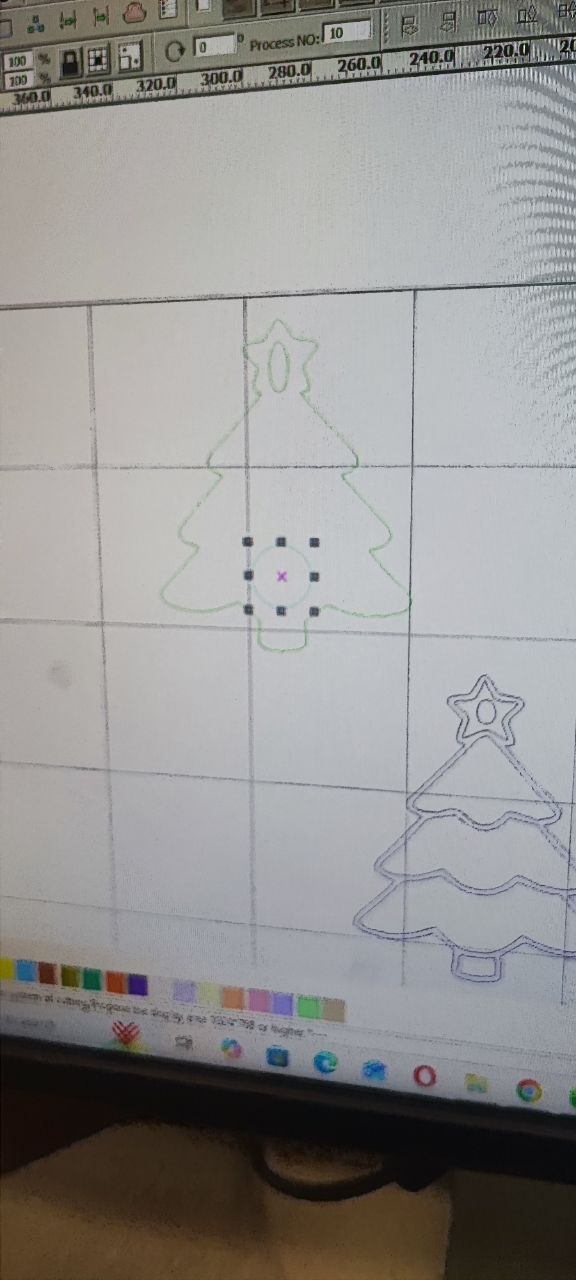
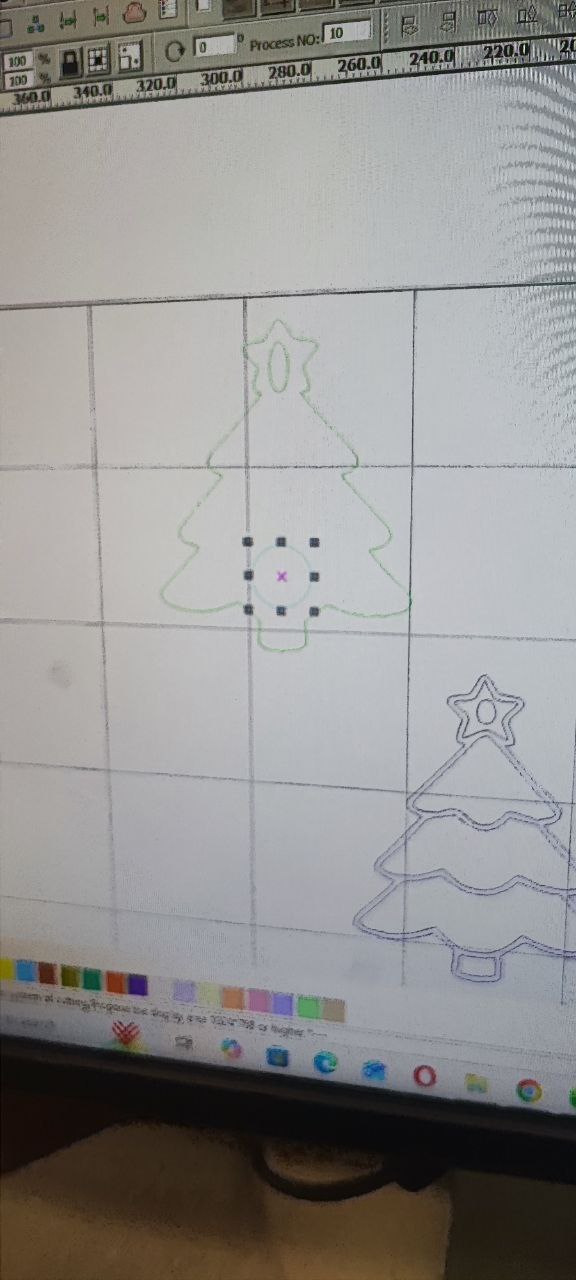
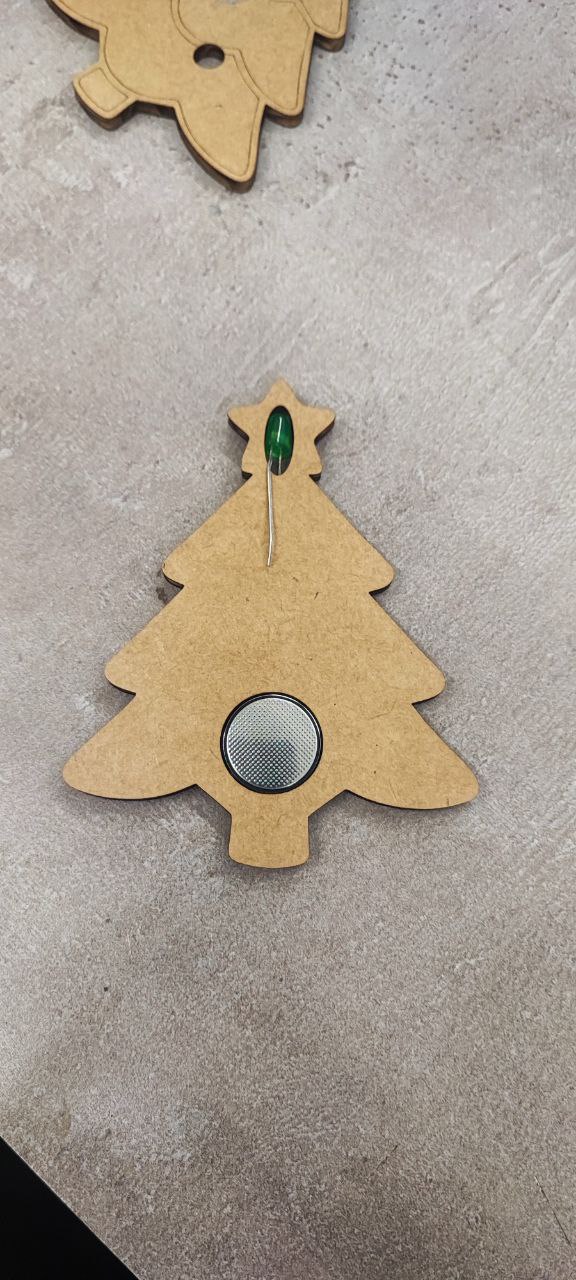
The toy’s appearance is chosen. We obtain an SVG image. Felt and cardboard are laser-cut. A hole for the battery is also cut in the cardboard.
Electrical circuit /30min/

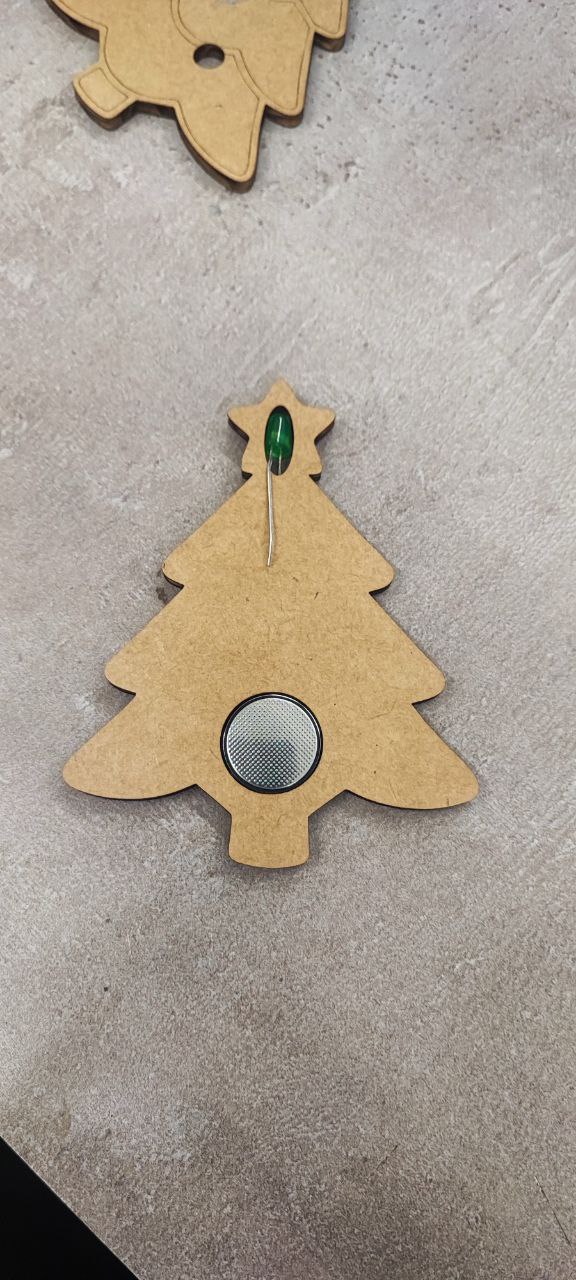
Next, a simple electrical circuit is assembled using a copper wire, a battery, and an LED. An additional piece of felt is used to make a button that will close the circuit.

Lesson Feedback

Contact us

Having trouble? Let us know by completing the form below. We'll do our best to get your issues resolved quickly.

"*" indicates required fields

This field is for validation purposes and should be left unchanged.
Name*
Email*
?