
- Loading…


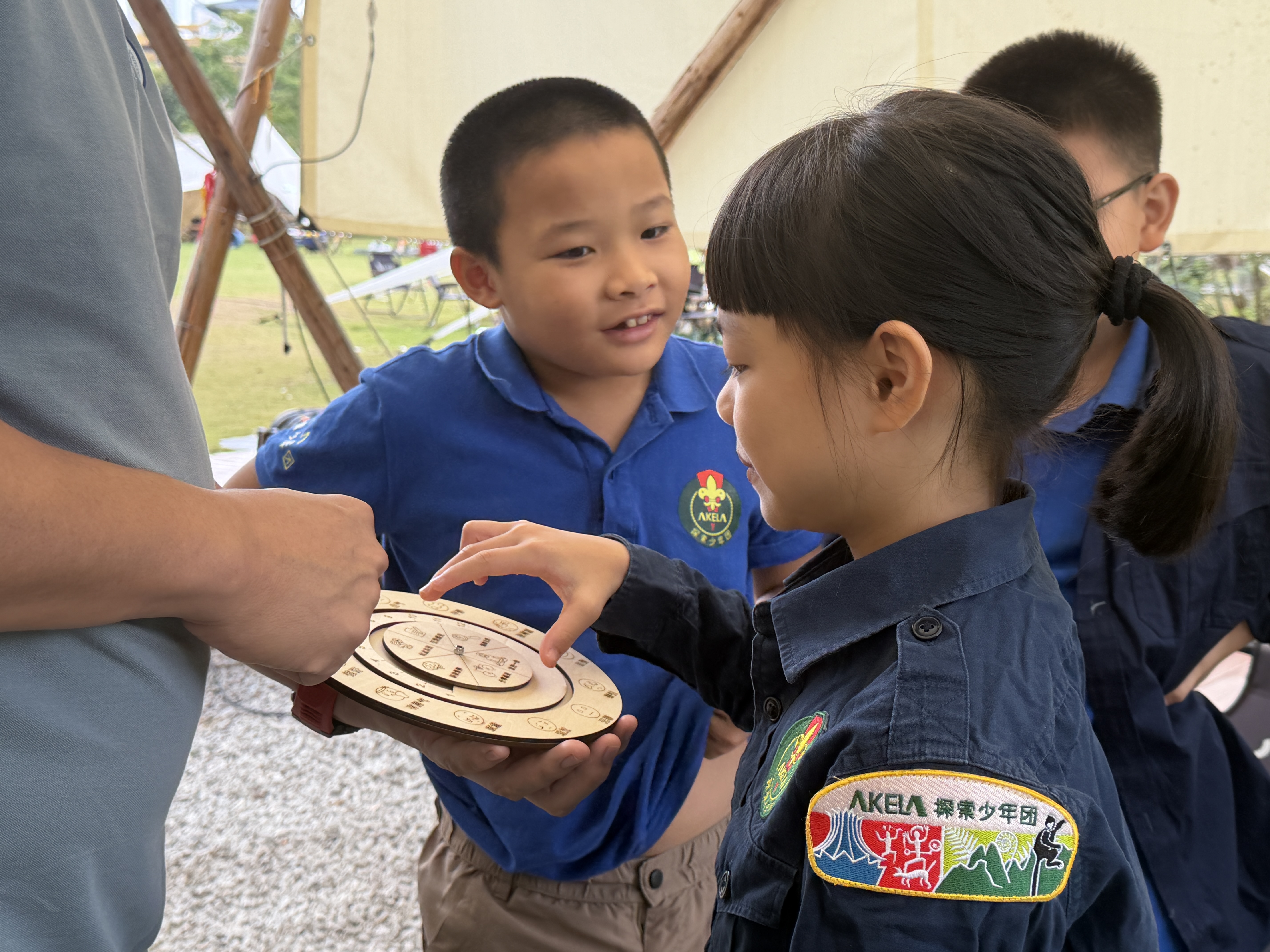
The Three-in-One Feelings Wheel can be used in all teaching activities for children aged 4–12. It helps kids recognise their emotions, understand emotional intensity, and find and use their own ways to manage feelings.
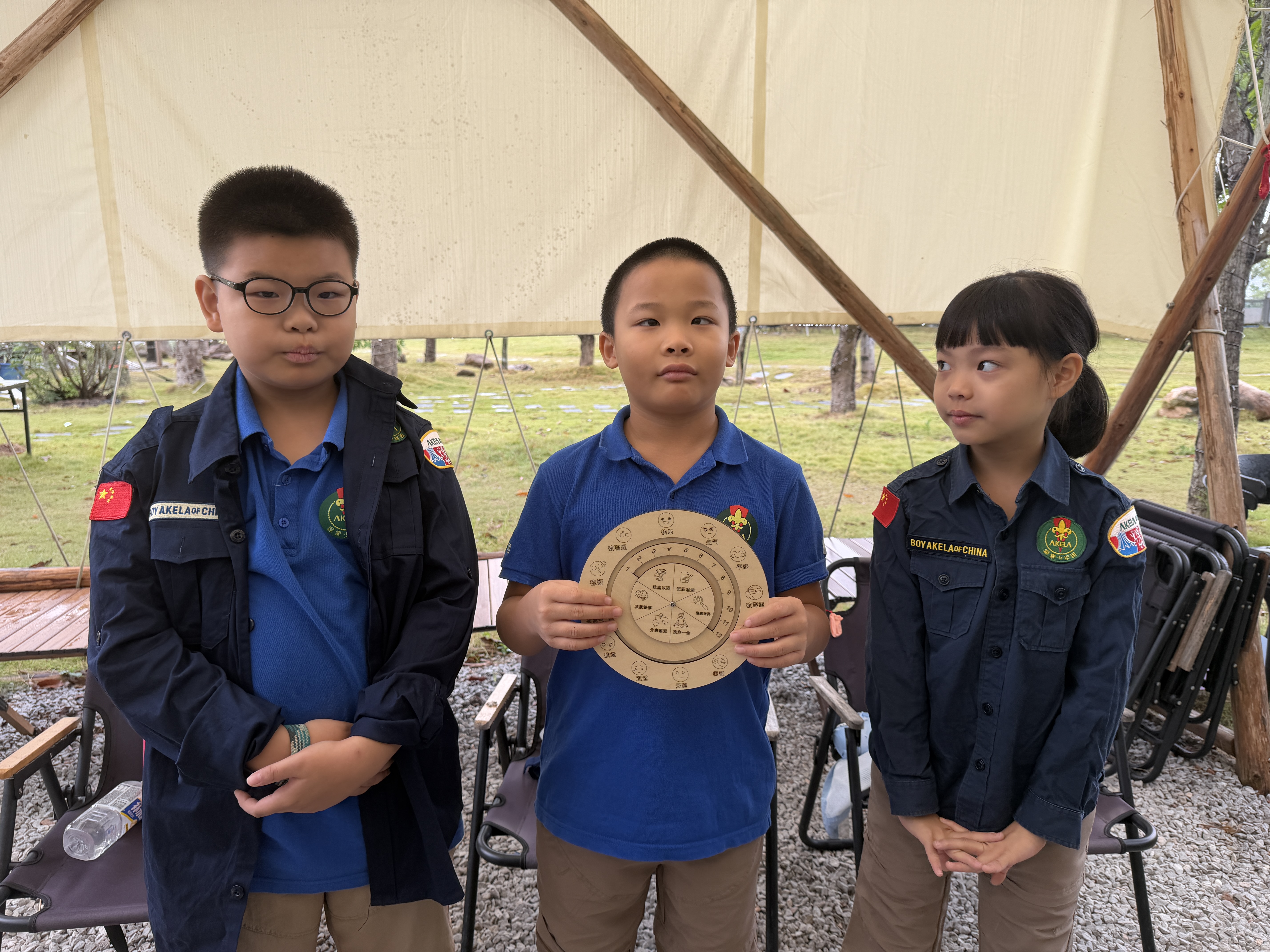
Age Range: 4–12 years old
Duration: 60 minutes
Content: Emotion recognition, recognition of emotional intensity, emotion regulation skills
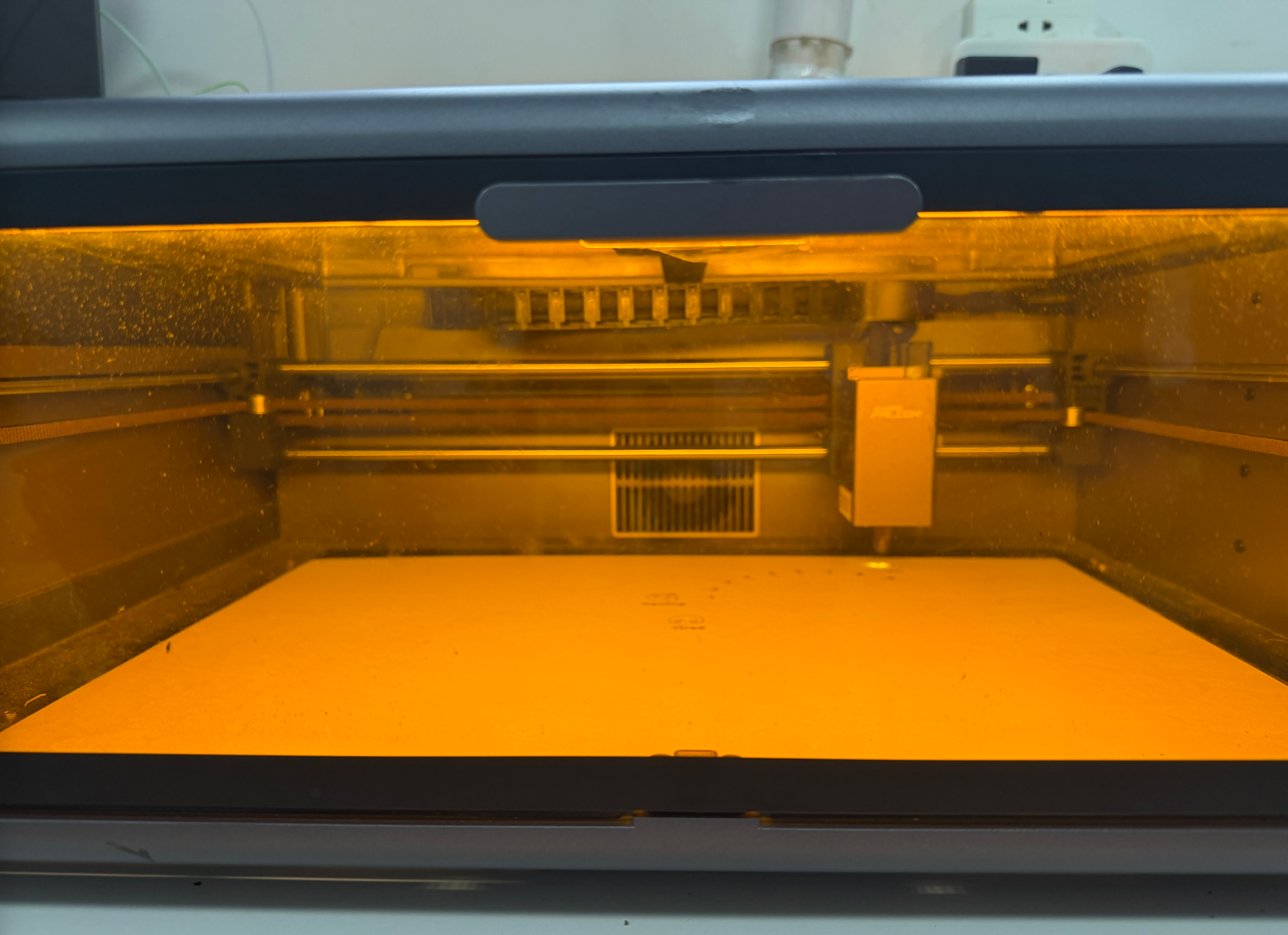
Fab Tool: Laser Cutter
Key Concept: In any teaching scenario, this tool helps teachers observe children’s emotional changes during class. It also supports children to identify emotions intuitively and find emotion regulation strategies in an interactive and fun way.
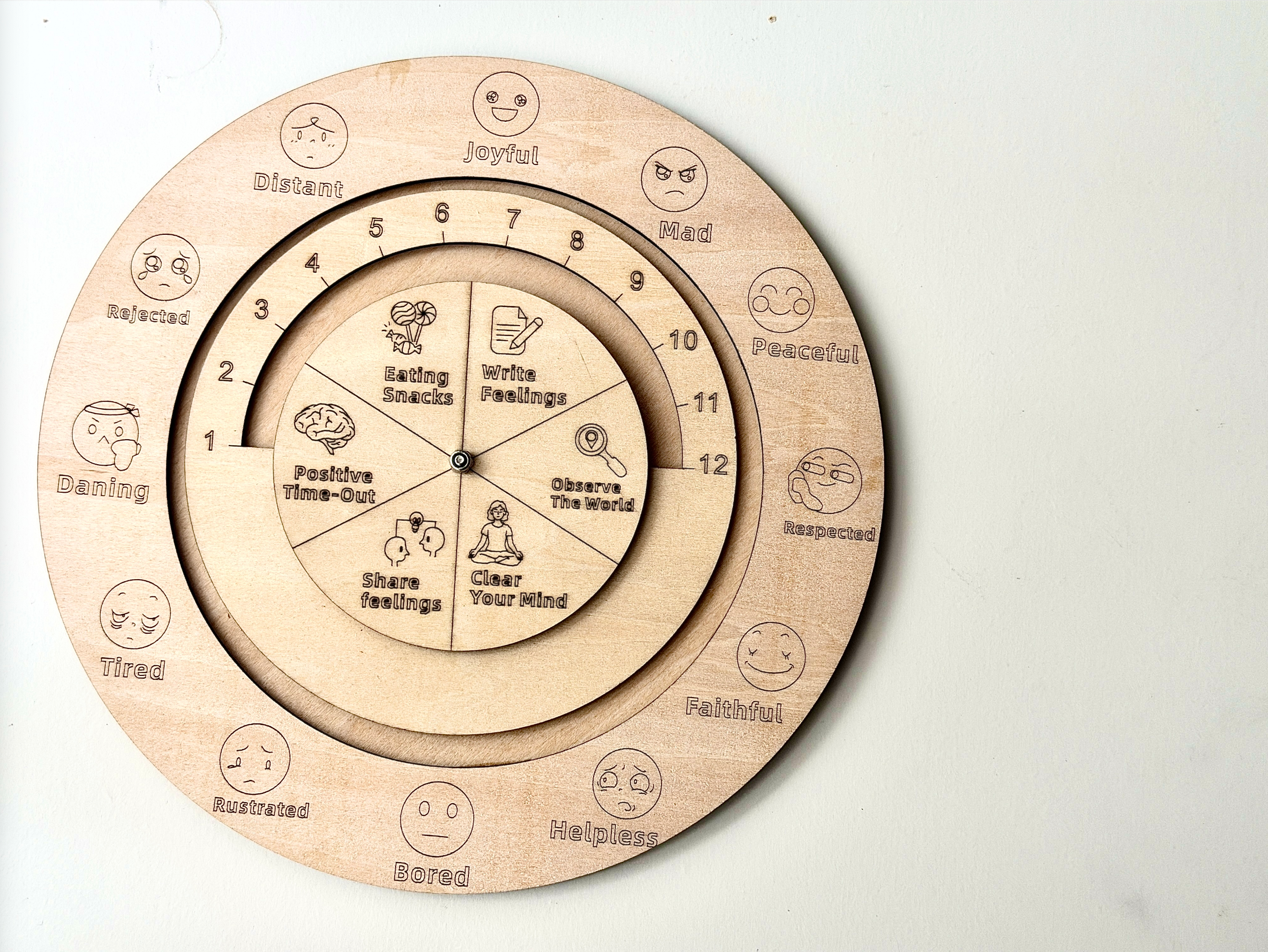
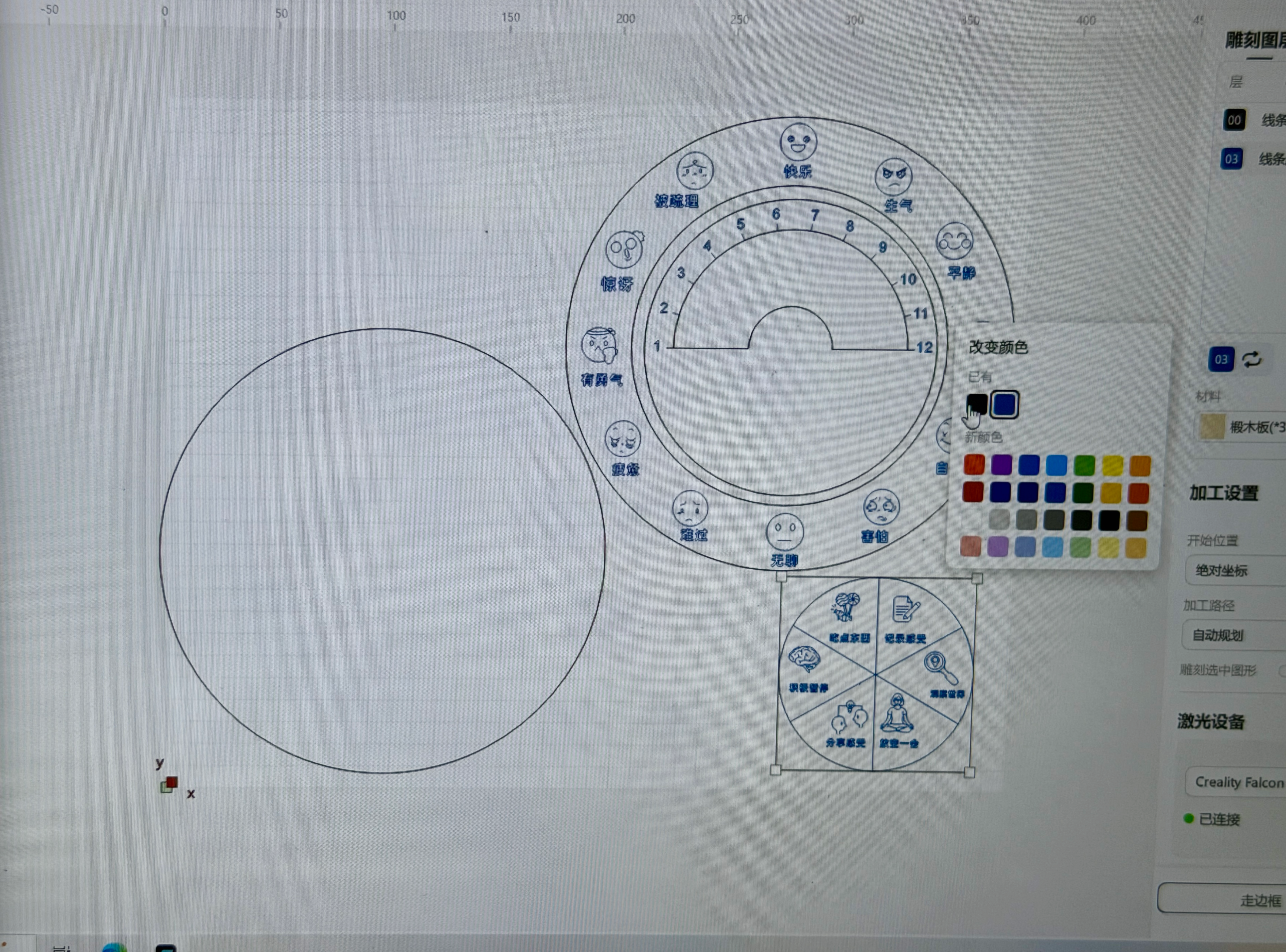
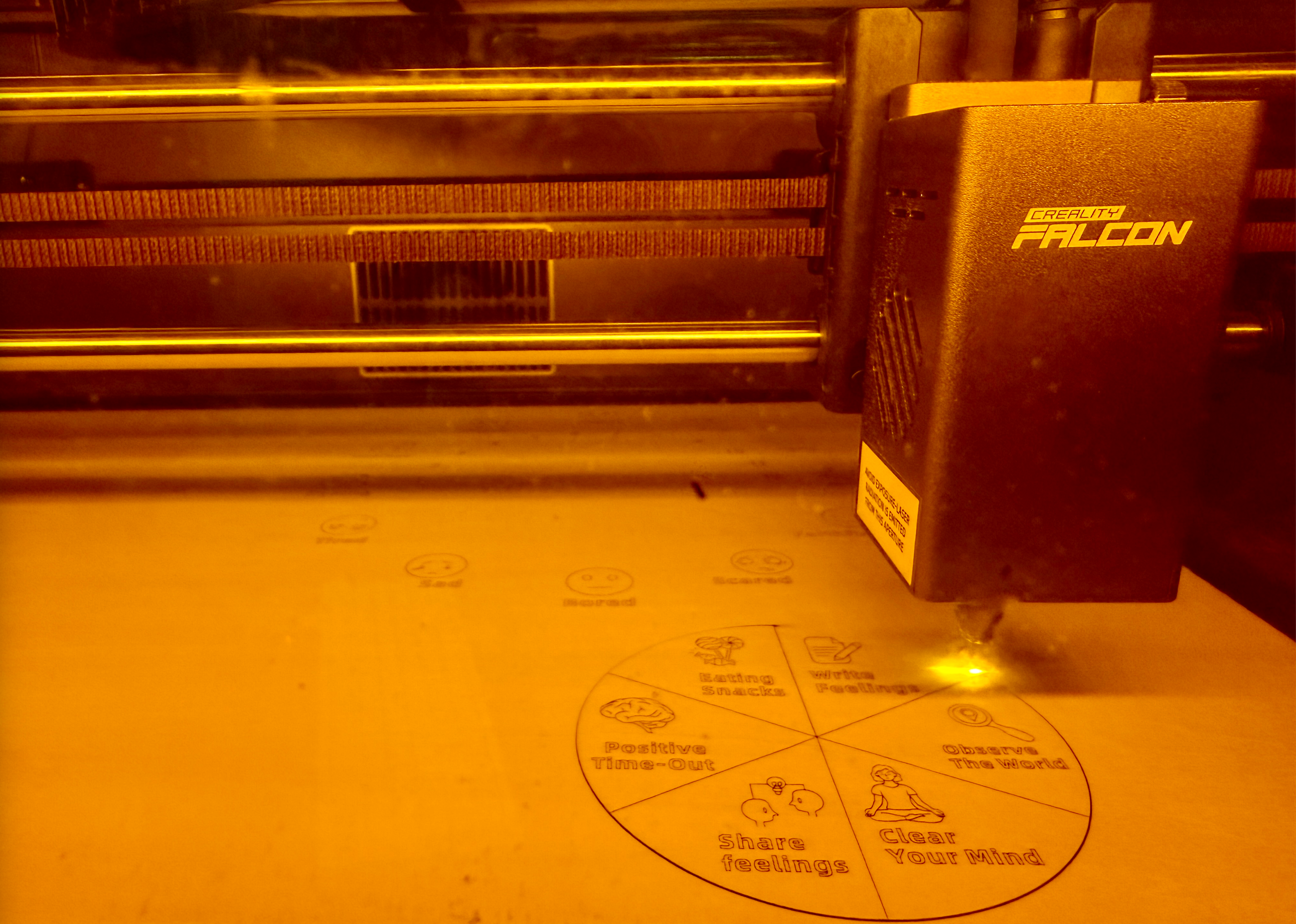
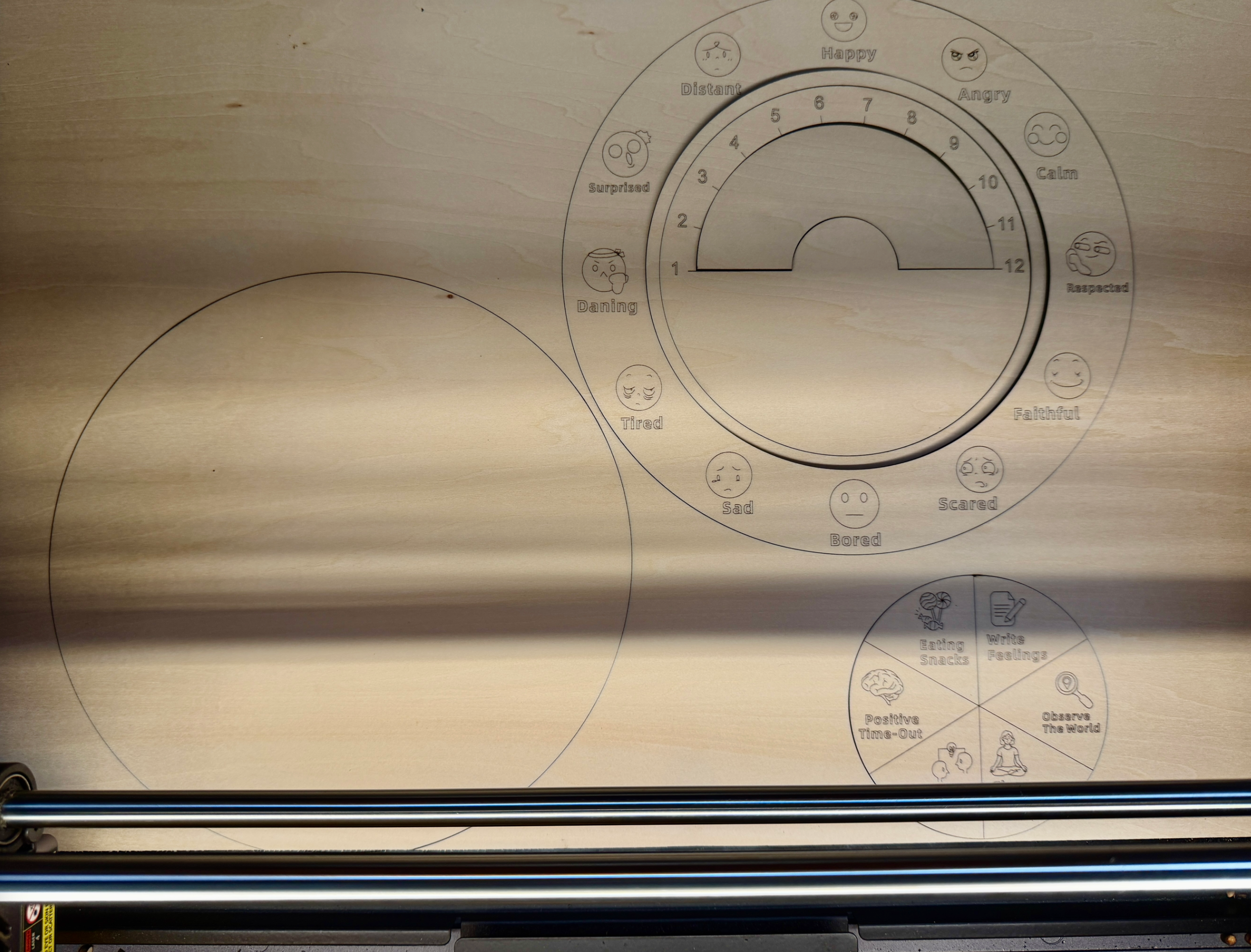
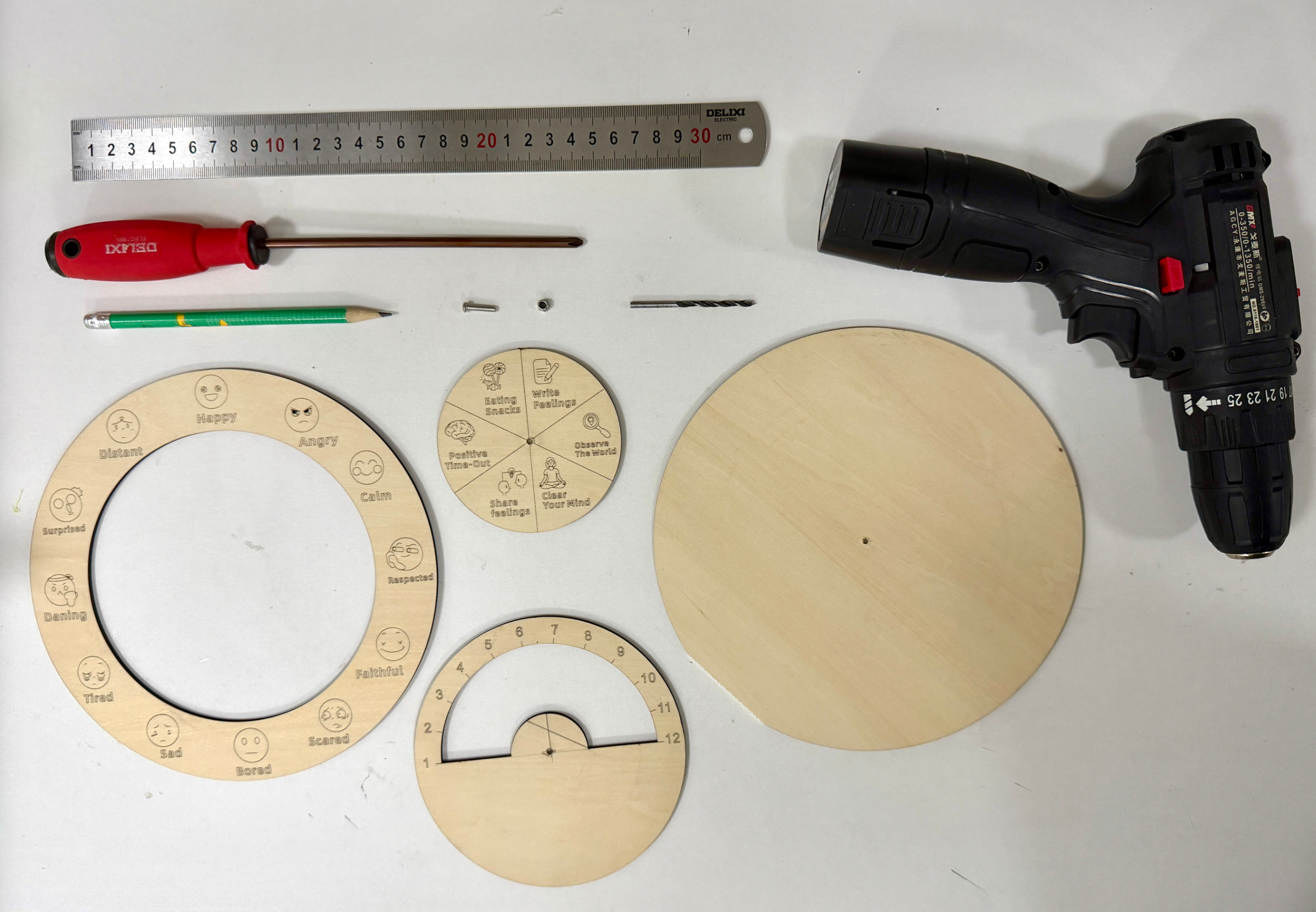
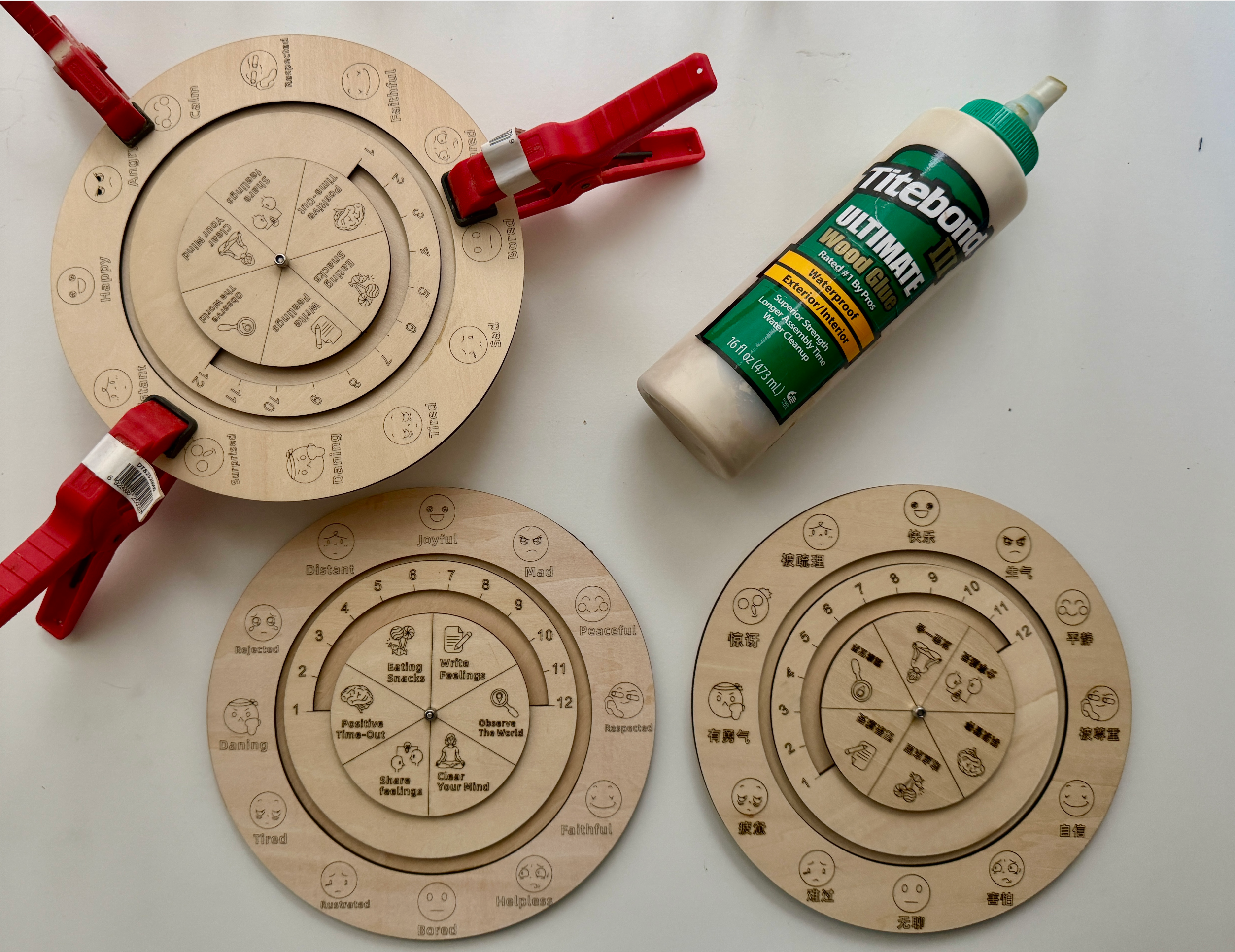
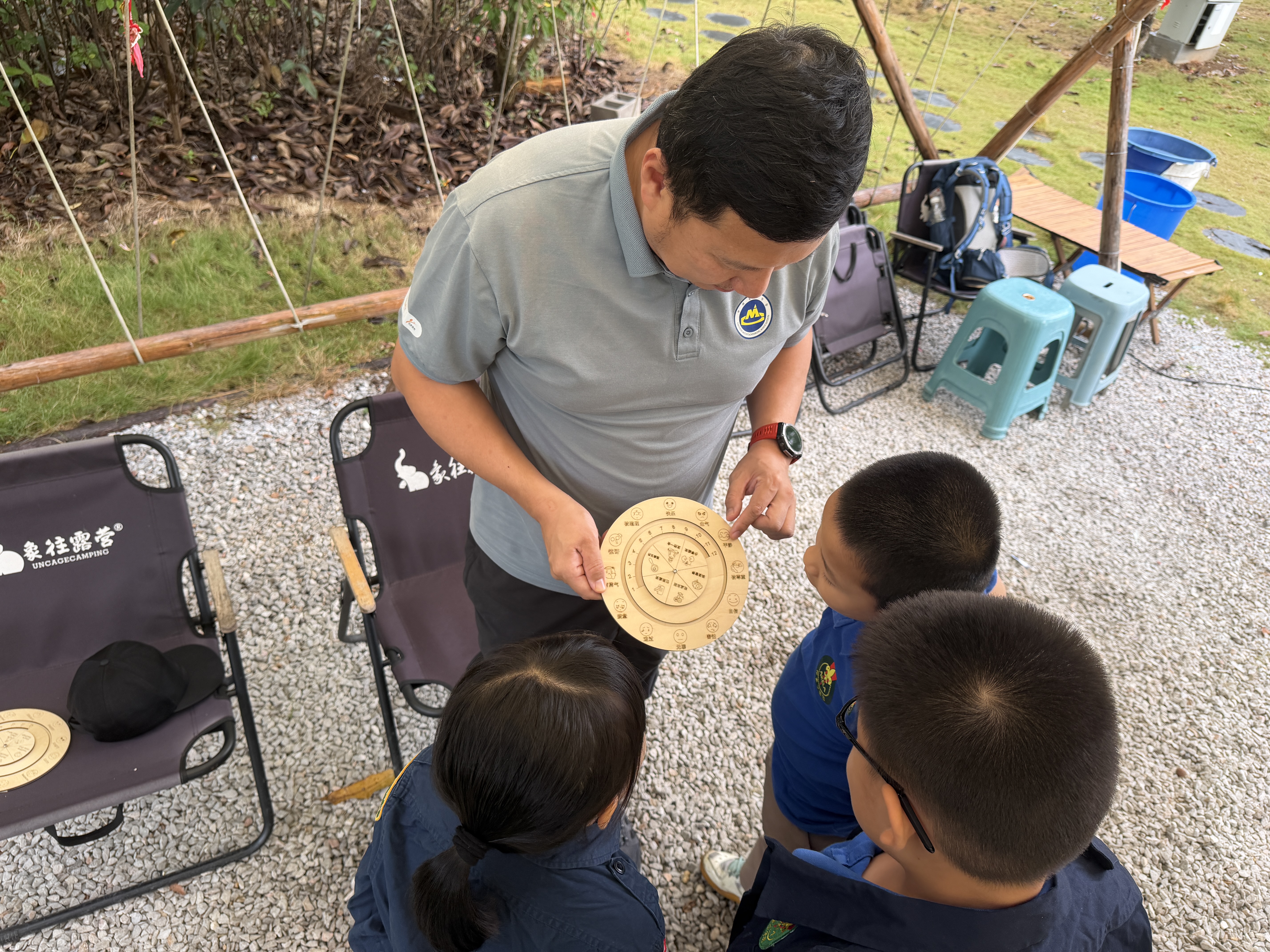
Three in One Feelings Wheel Components
Cordless Drill
M4 screws and nuts
Basswood plywood
Phillips screwdriver
White glue
Clamps
Pencil
Ruler
1. Students can name different emotions and tell the intensity of their feelings.
2. Students can choose suitable emotion regulation strategies when they feel upset.
3. Learners will make or use the laser-cut Three-in-One Feelings Wheel in classroom activities.
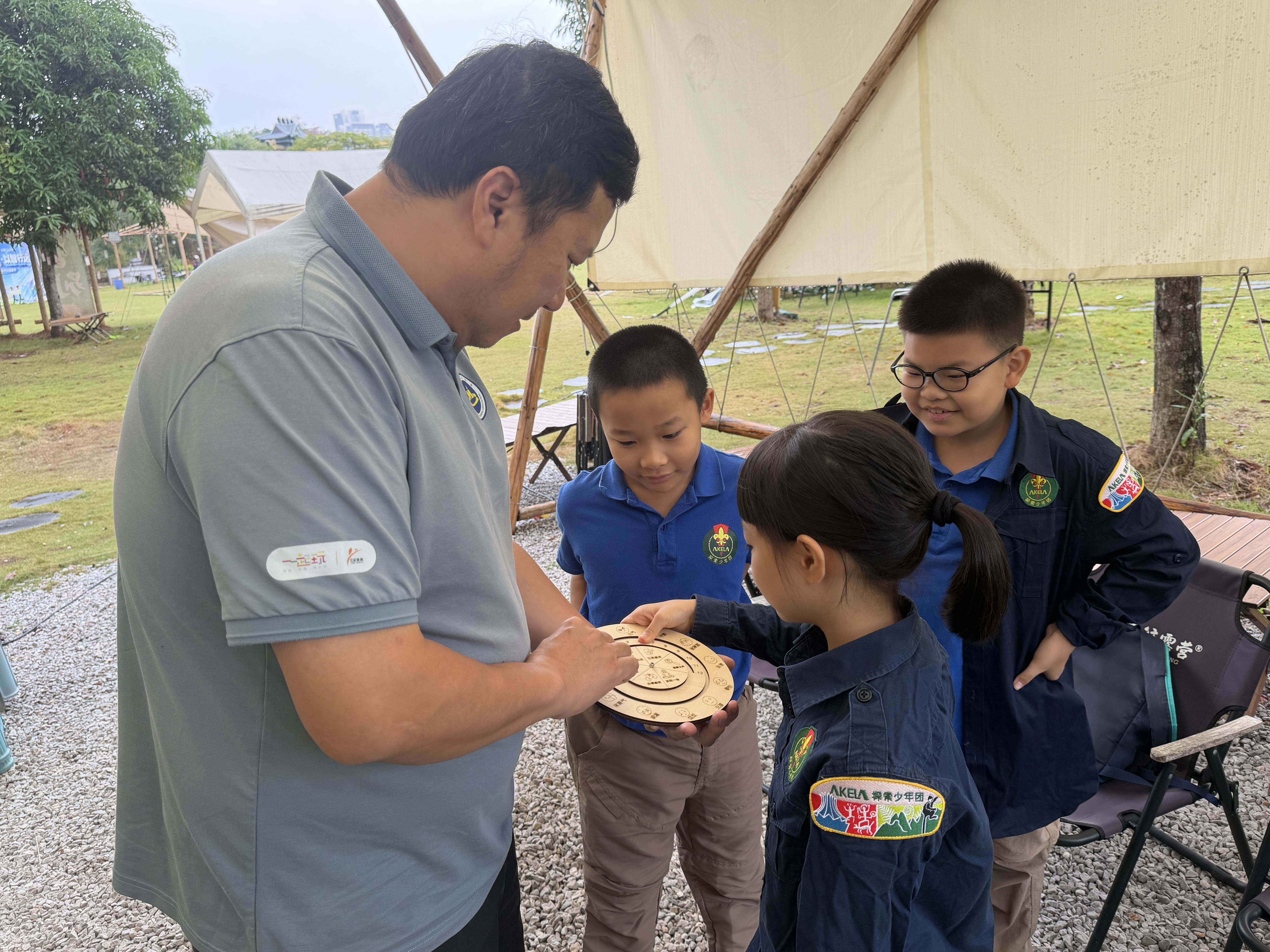
The Three-in-One Feelings Wheel is flexible and easy to integrate into maker and camp lessons. Children are engaged by turning the wheel to share their feelings. It helps me notice emotional signals that I might otherwise miss. I will continue to test this tool in maker projects and outdoor camp activities.
Children look at the outer ring of the wheel, name emotions and describe facial expressions.
With the Three-in-One Feelings Wheel, ask children to look at the outermost ring and find any emotion they know. Invite them to describe what the expression looks like. After every child has shared, introduce the remaining emotions and their features.
Children identify how they feel and rate the strength of their emotion with the intensity dial.
Ask children to point to their current emotion on the feelings wheel. Next, have them turn the intensity dial to show how strong this feeling is. Encourage them to share and talk about how they feel.
Children spin the strategy wheel to pick ways to manage feelings. They share what caused their positive or negative emotions.
If a child points to a positive emotion, invite them to share what brought this nice feeling.
If a child picks a negative emotion, ask them to share what happened.
Then let the child spin the emotion strategy wheel. Talk about each regulation tool and help them find a suitable way for their current feeling.
Children try out the chosen regulation strategy in the moment.
Guide children to carry out the selected emotion regulation strategy. After practicing, ask them to use the Three-in-One Feelings Wheel again. This helps us evaluate whether the regulation strategy works and see changes in their feelings.
Having trouble? Let us know by completing the form below. We'll do our best to get your issues resolved quickly.
"*" indicates required fields