
- Loading…

This lesson plan focuses on the cup design process, using scientific principles to solve a real-world reuse household waste issue. This plan is designed for high-paced, hands-on engagement.
Preparing the materials, I followed the instructions from the video to start making the coffee cup. Firstly, dry the coffee grounds, then add water, honey, glycerin, etc. Mix all the ingredients thoroughly and then let them dry.
From linear economy mindset to circular economy is a critical solution to resource scarcity and environmental pollution. The biodegradable coffee grounds cup which is the repurposes coffee grounds (a waste product) into a biodegradable cup material, reducing landfill waste and replacing traditional plastic cups. This perfectly embodies the circular economy’s goal of “turning waste into value and maintaining continuous cycles.”
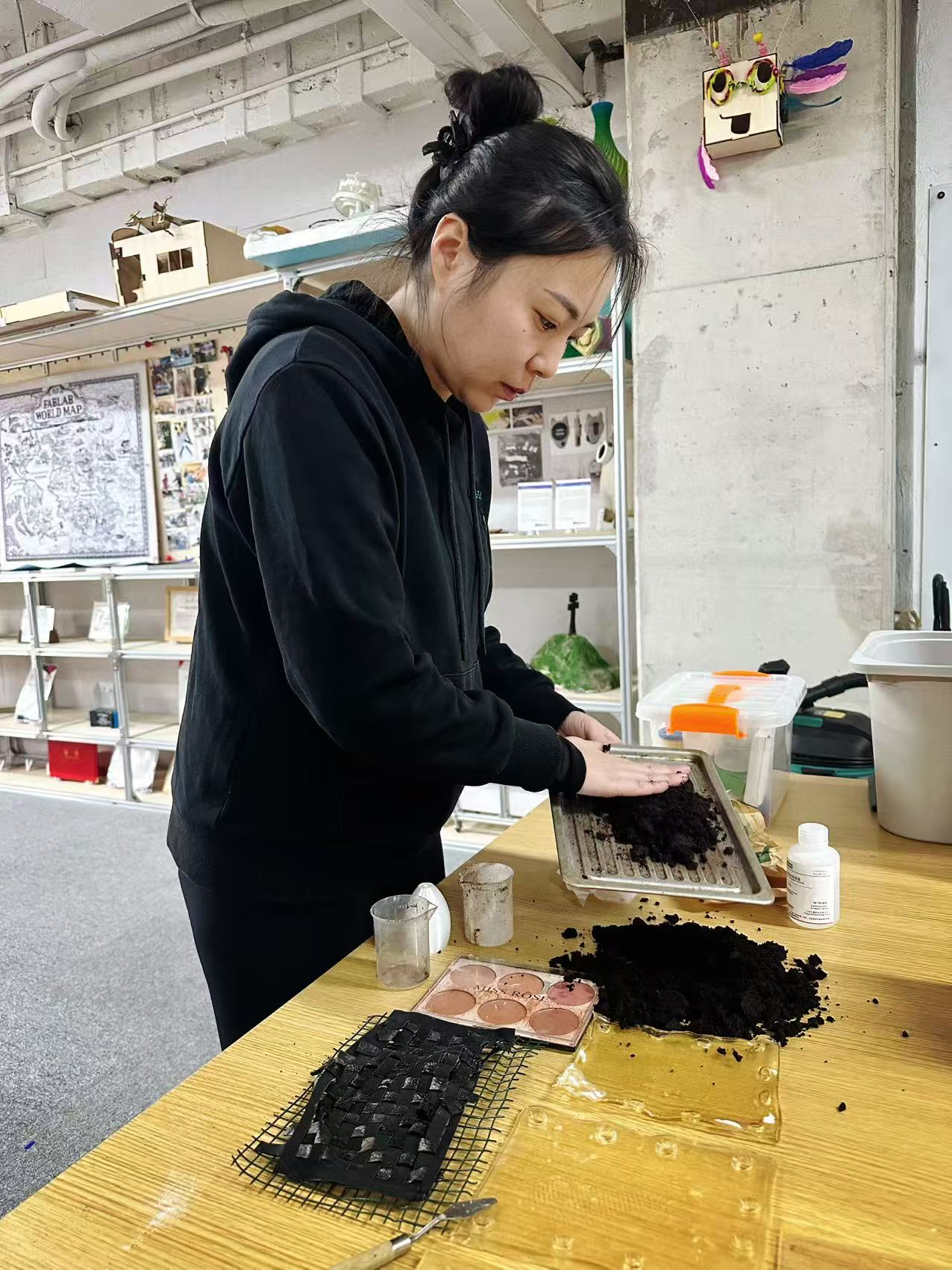


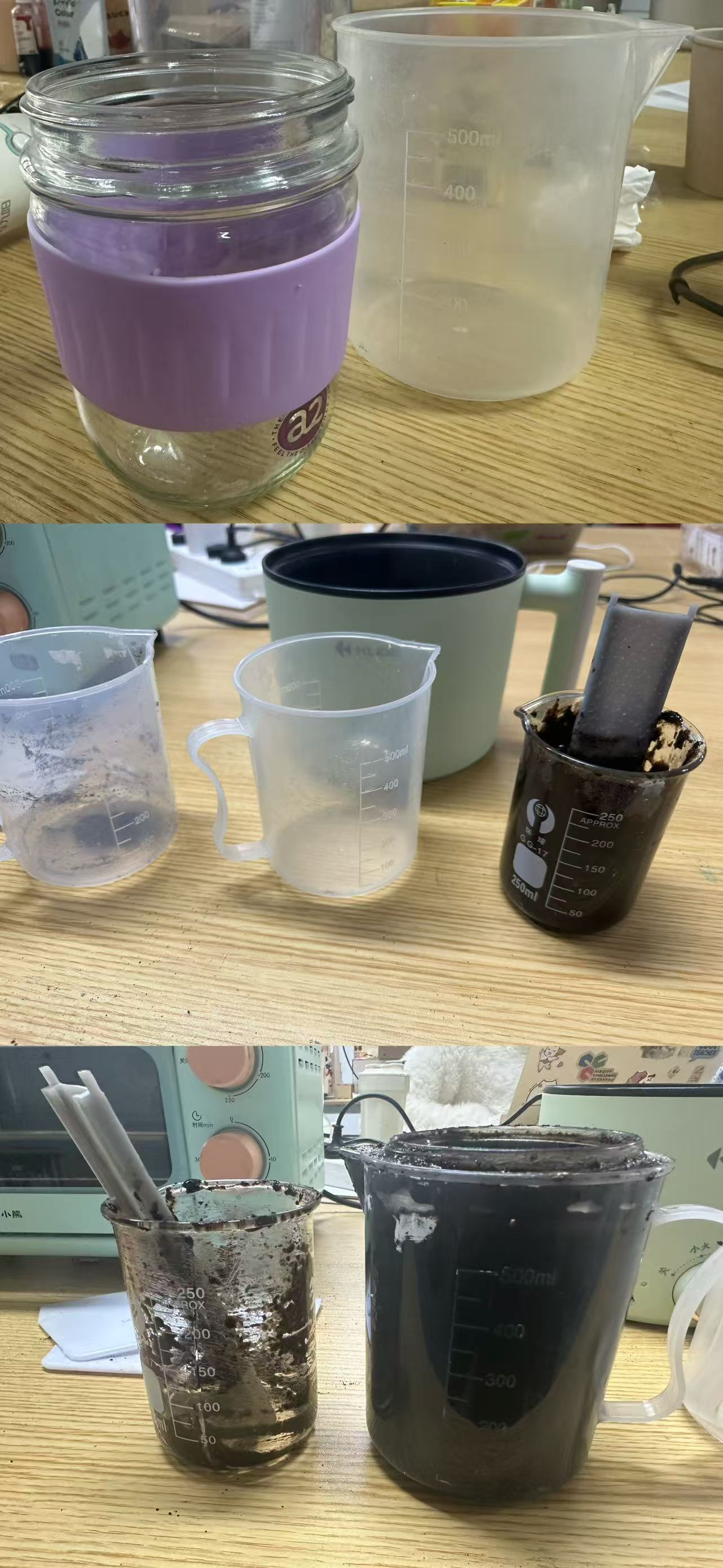





I need to prepare a TED video about the circular economy in English, create core English presentation materials, and get ready the pre-printed 3D molds, coffee grounds, gelatin, edible oil, and a cooking pot.
Learning Objectives (actual objectives)
By the end of this lesson, students will be able to:
1. Identify at least three human activities that negatively affect our lives.
2. Analyze simple data or case information to determine the causes of a waste-related problem.
3. Explain how limited access to wasted-food impacts human health and ecosystems.
4. Design a feasible solution to reuse coffee grands to create something more.
5. Justify their proposed solution using scientific evidence and reasoning.
These objectives intentionally span knowledge → analysis → design → argumentation, as required by NGSS Standard .
Learning Objectives(SDG)
Sustainable Development Goal 12 (SDG 12), Responsible Consumption and Production, aims to decouple economic growth from environmental degradation.Global material consumption continues to increase, with high-income countries having a significantly
* Food waste remains a major issue, with households being the largest contributors.
* E-waste is a rapidly growing problem, with a low percentage being properly managed.
* Fossil fuel subsidies are still substantial and significantly higher than historical levels.
* The global economy is currently only about 8.6% circular.
From linear economy mindset to circular economy is a critical solution to resource scarcity and environmental pollution. The biodegradable coffee grounds cup which is the repurposes coffee grounds (a waste product) into a biodegradable cup material, reducing landfill waste and replacing traditional plastic cups. This perfectly embodies the circular economy’s goal of “turning waste into value and maintaining continuous cycles.”
https://ed.ted.com/best_of_web/2Yy019iv/think?question_number=2 There's a world of opportunity to re-think and re-design the way we make stuff. 'Re-Thinking Progress' explores how through a change in perspective we can re-design the way our economy works - designing products that can be 'made to be made again' and powering the system with renewable energy. It questions whether with creativity and innovation we can build a restorative economy.
Explain the key words and sentences.
re-think 重新思考
re-design 重新设计
make stuff 制造东西
change in perspective 换个角度、改变观念
economy 经济
made to be made again 可循环再造
renewable energy 可再生能源
creativity and innovation 创意与创新
restorative economy 可修复 / 可循环经济
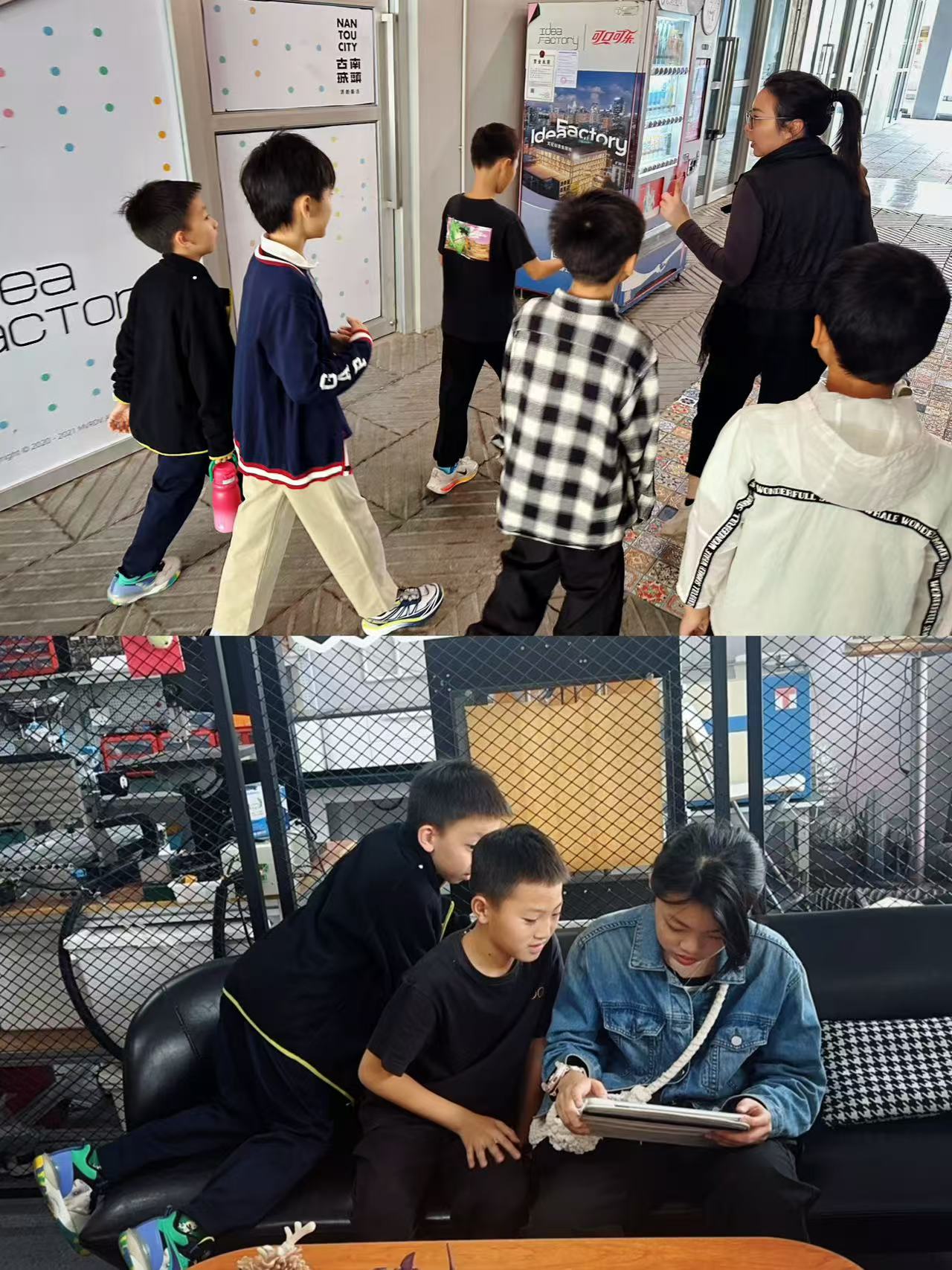
Take the students to the maker space and show how 3d printer works. explain how to design the mold.
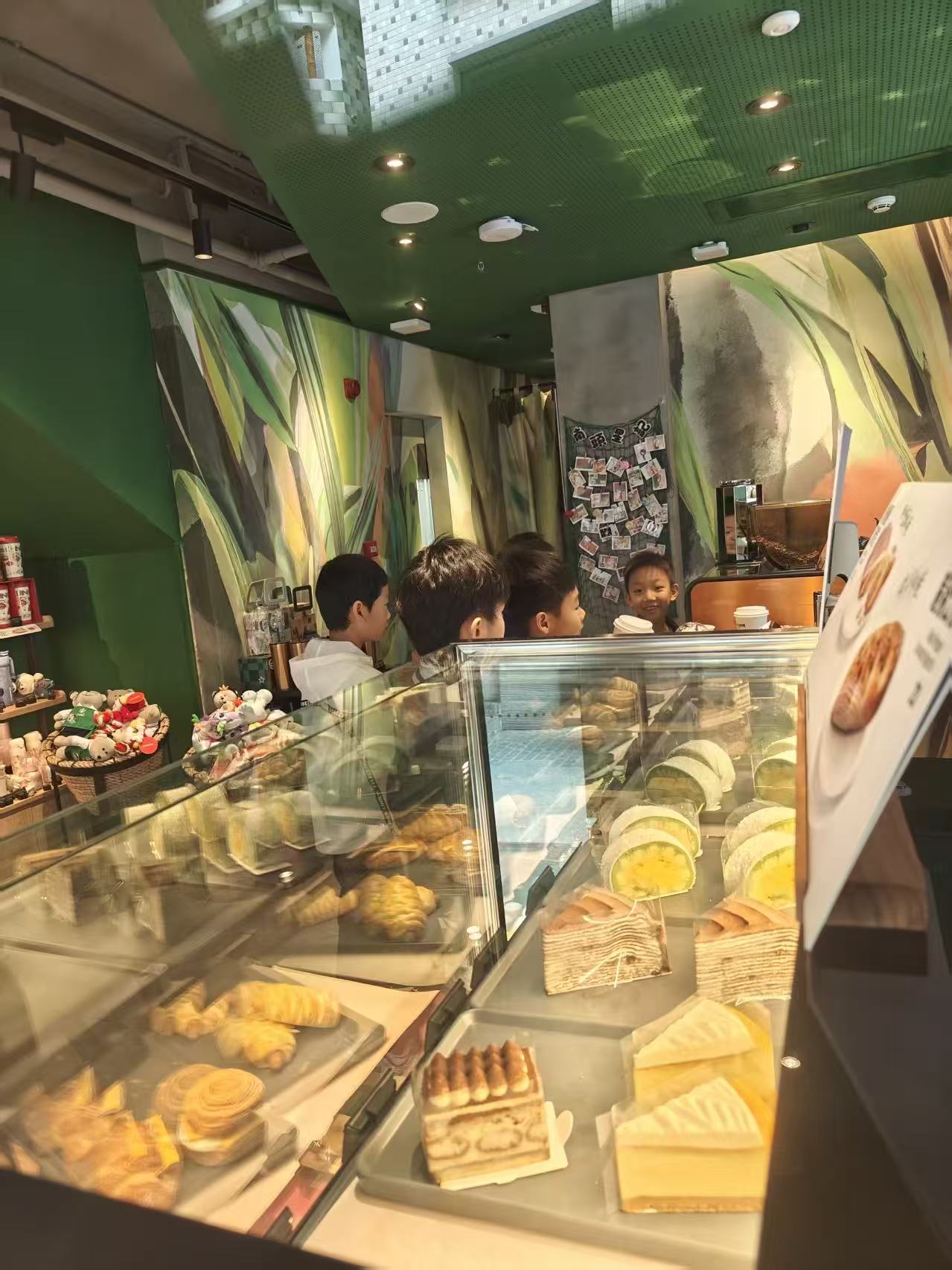
First, ask students to think about the uses of coffee grounds. Then collect coffee grounds from nearby shops, dividing into two groups to get coffee grounds from different cafes. After that, return to the studio to prepare materials for making coffee cups. Let students observe the molds and explain how to make molds with a 3D printer
Take the prepared materials, heat them in order, dissolve them, and pour into the molds.Make your own ideal coffee cup.
Watch the video and follow the steps
WATER:10O mL
HONEY:12.5g
AGAR:15g
WINTERGREEN OII:3drop
MIX UNTILTHICK: 3minute
COFFEE:30g
Mold: 3D prining
The students waited for two days. Depending on the different molds, there are coffee cups and saucers of various shapes and designs.
When removing the molds, cooking oil needs to be applied to their surfaces to prevent the coffee grounds from sticking. Even so, the formed cups are still quite difficult to take out—some broke, and some got stuck at the bottom and could not be removed.
Guid the students to learn about 3D printers and explained how to create digital models. They experienced the entire process from initial design to final forming.
Visit the 3D printers.
Learn with their teachers how to create models using Rhino software
Set the relevant modeling parameters
Study and understand orthographic three-view drawings
Wait for their own molds to be printed out.
Having trouble? Let us know by completing the form below. We'll do our best to get your issues resolved quickly.
"*" indicates required fields