
- Loading…

In this interdisciplinary lesson, students engage in a design challenge to create a biodegradable seed starter using everyday materials. Students explore how waste materials, such as food scraps and paper products, can be repurposed into functional containers for plant growth. Through hands-on fabrication and collaborative problem-solving, students investigate sustainability, material properties, and environmental impact.
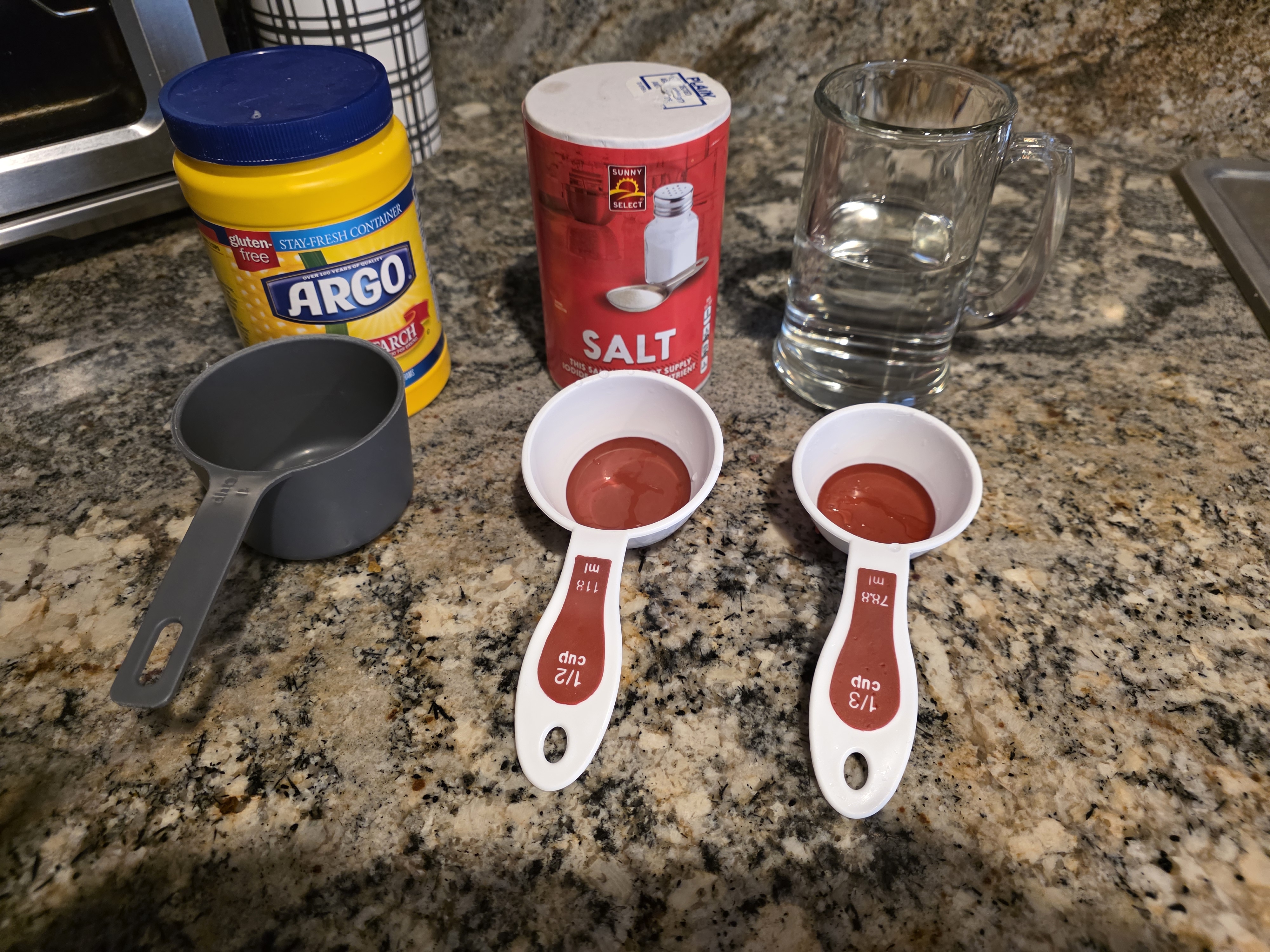
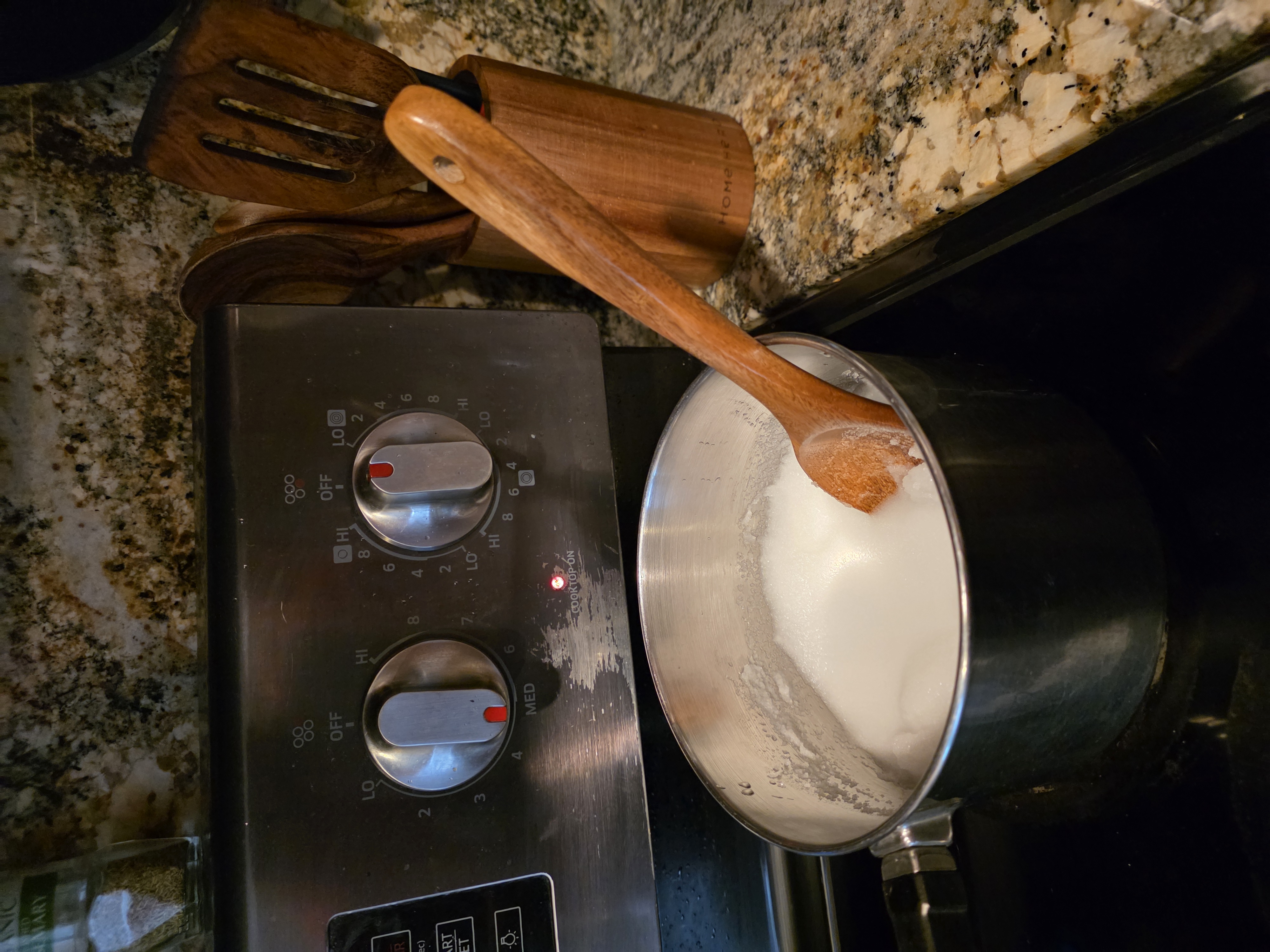
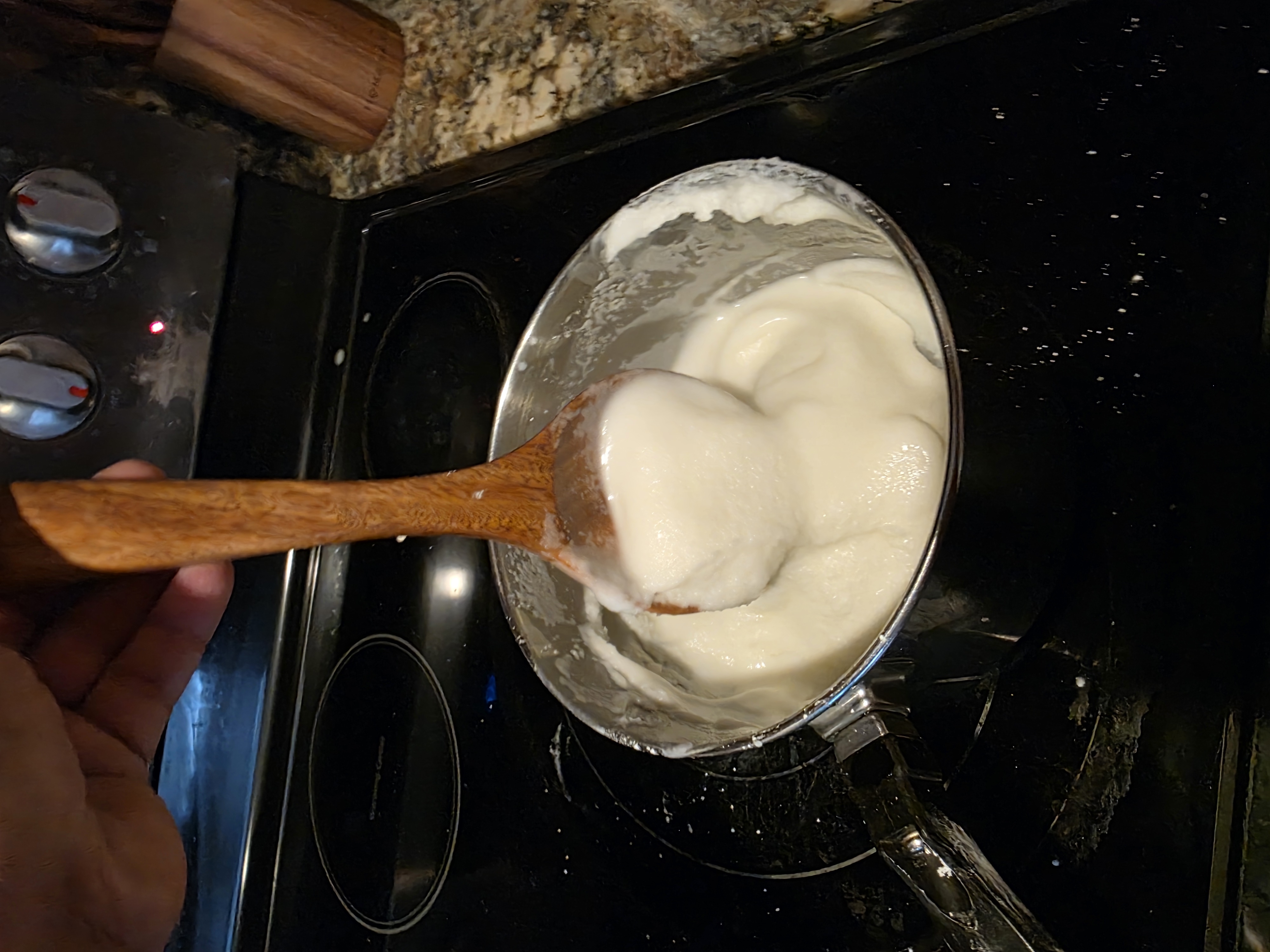
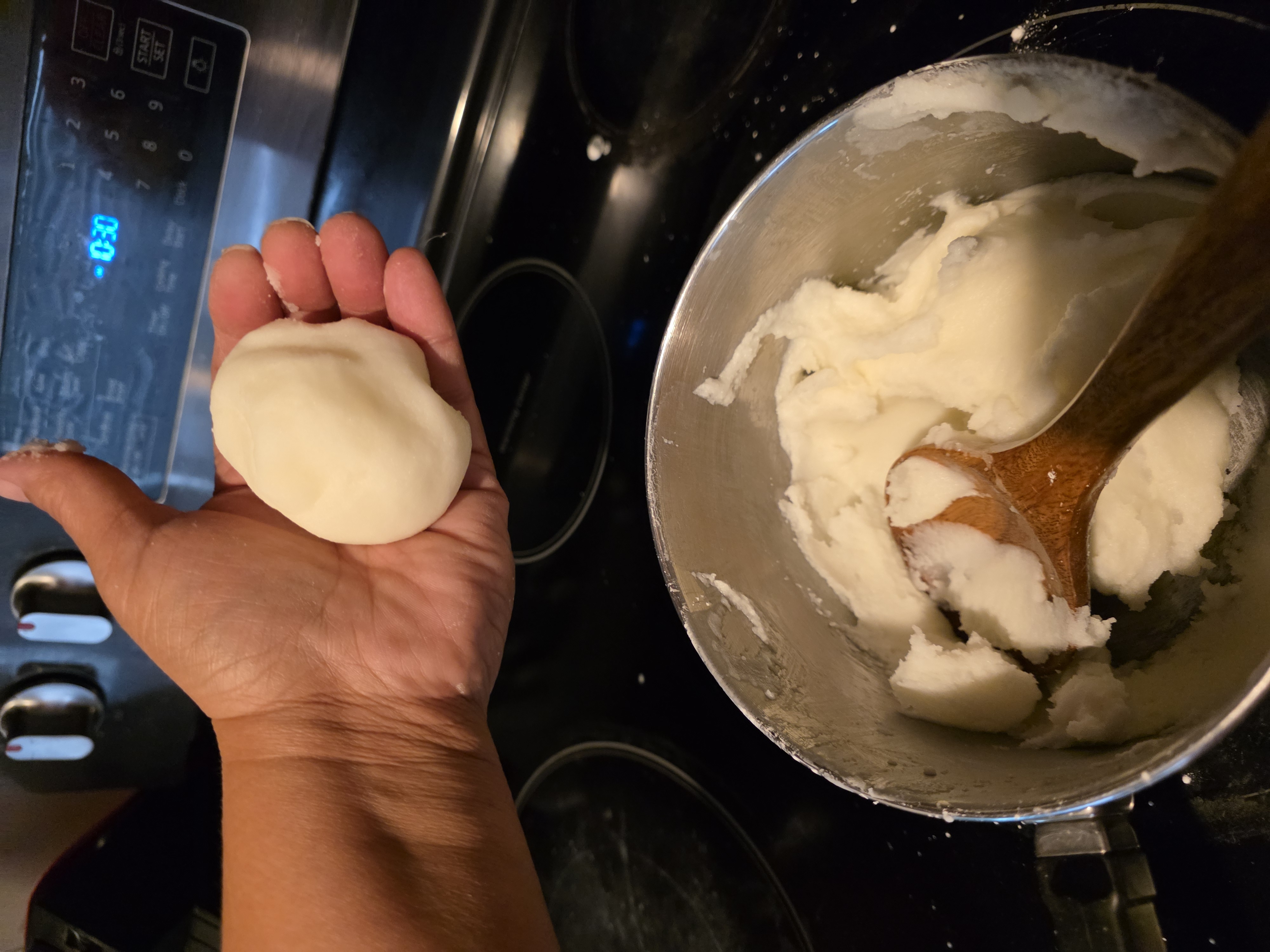
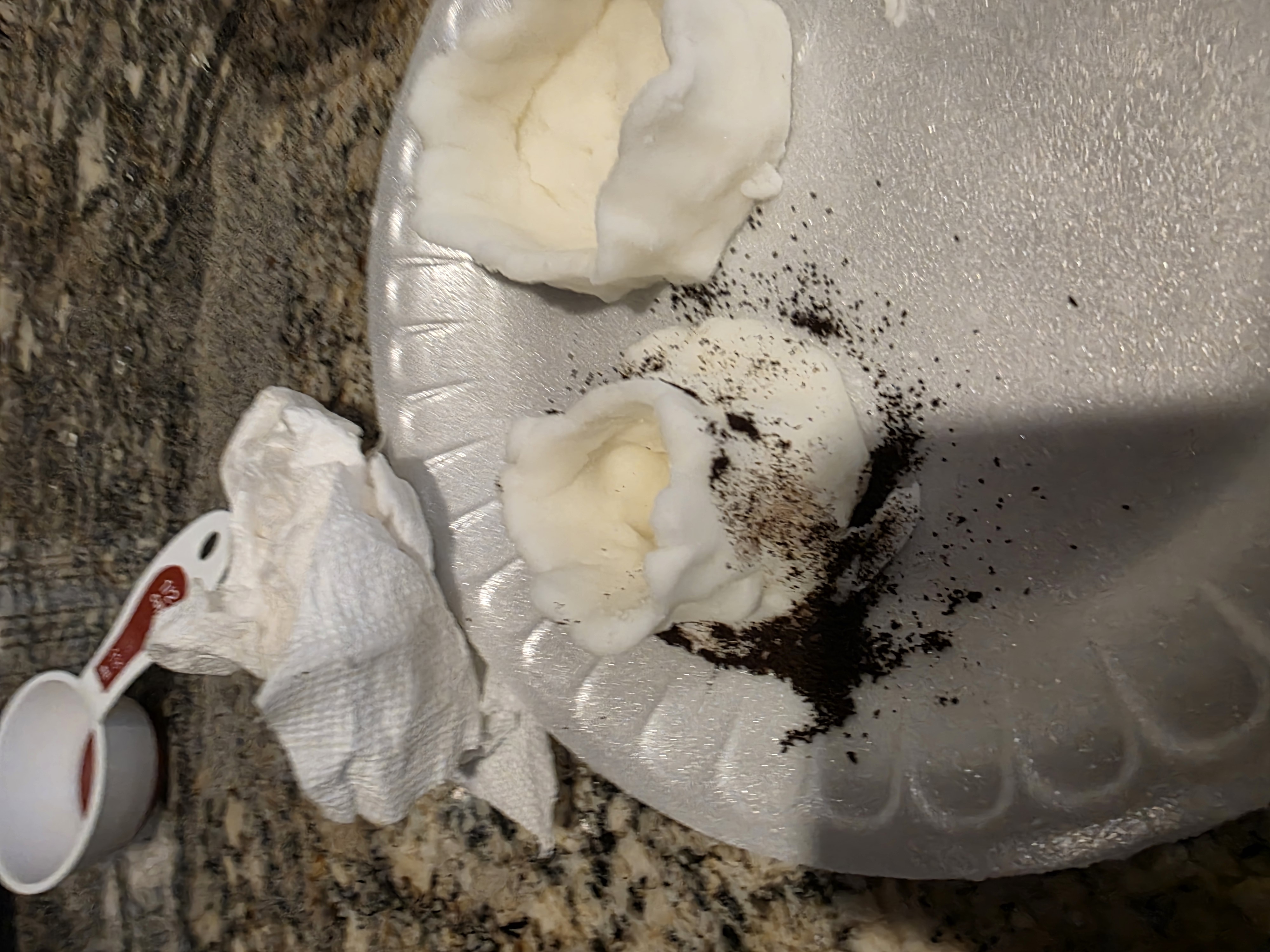
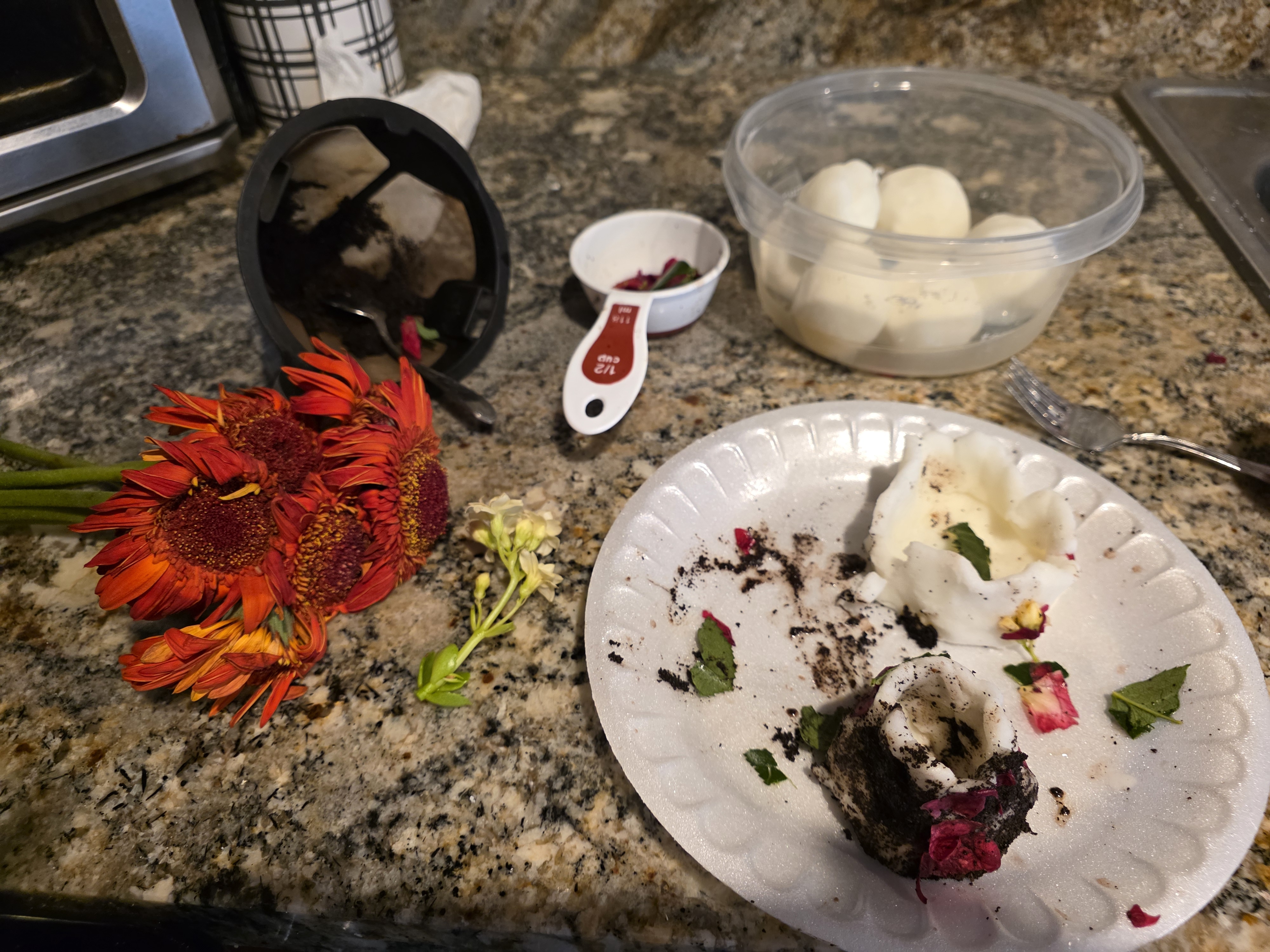
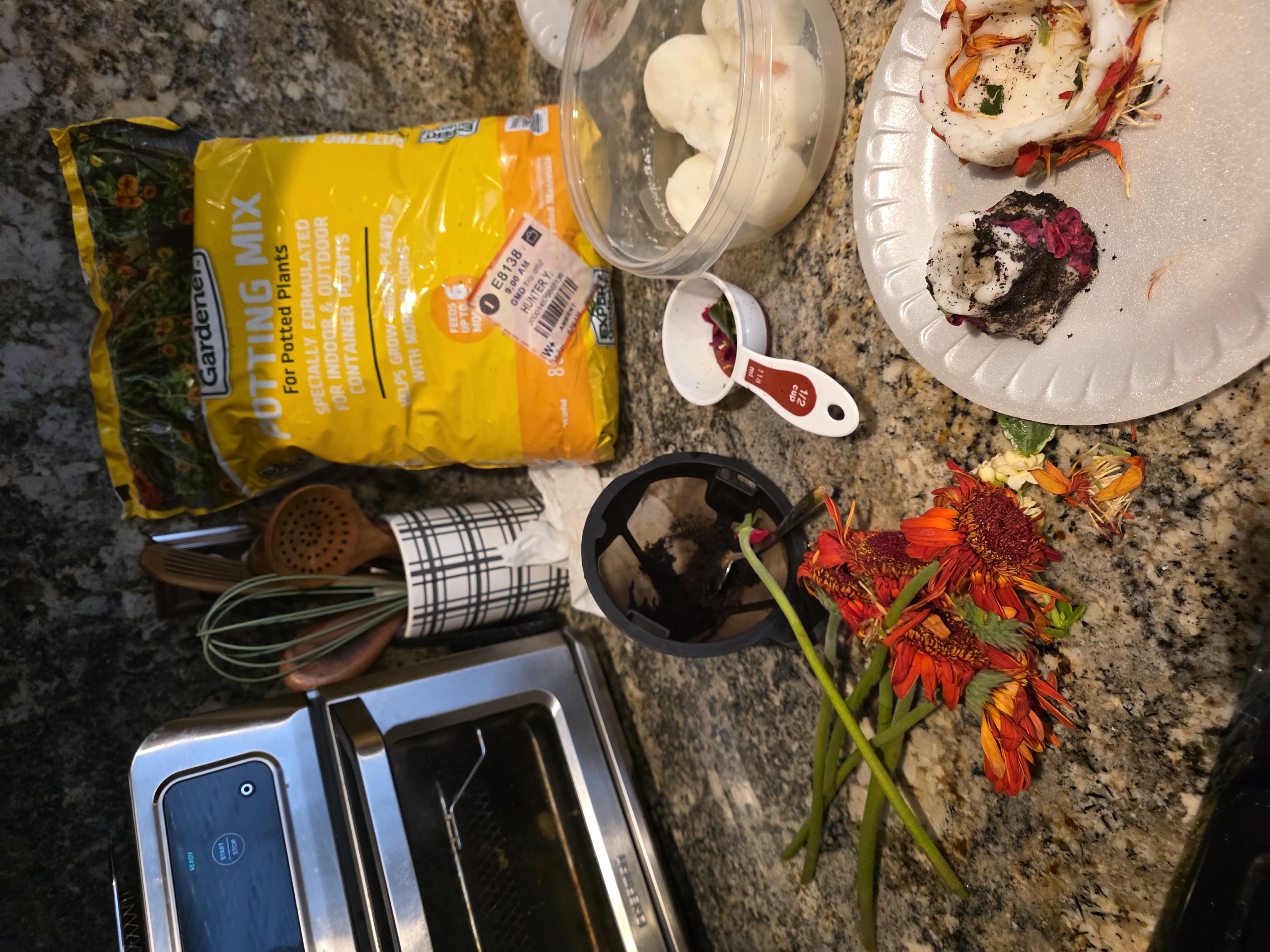
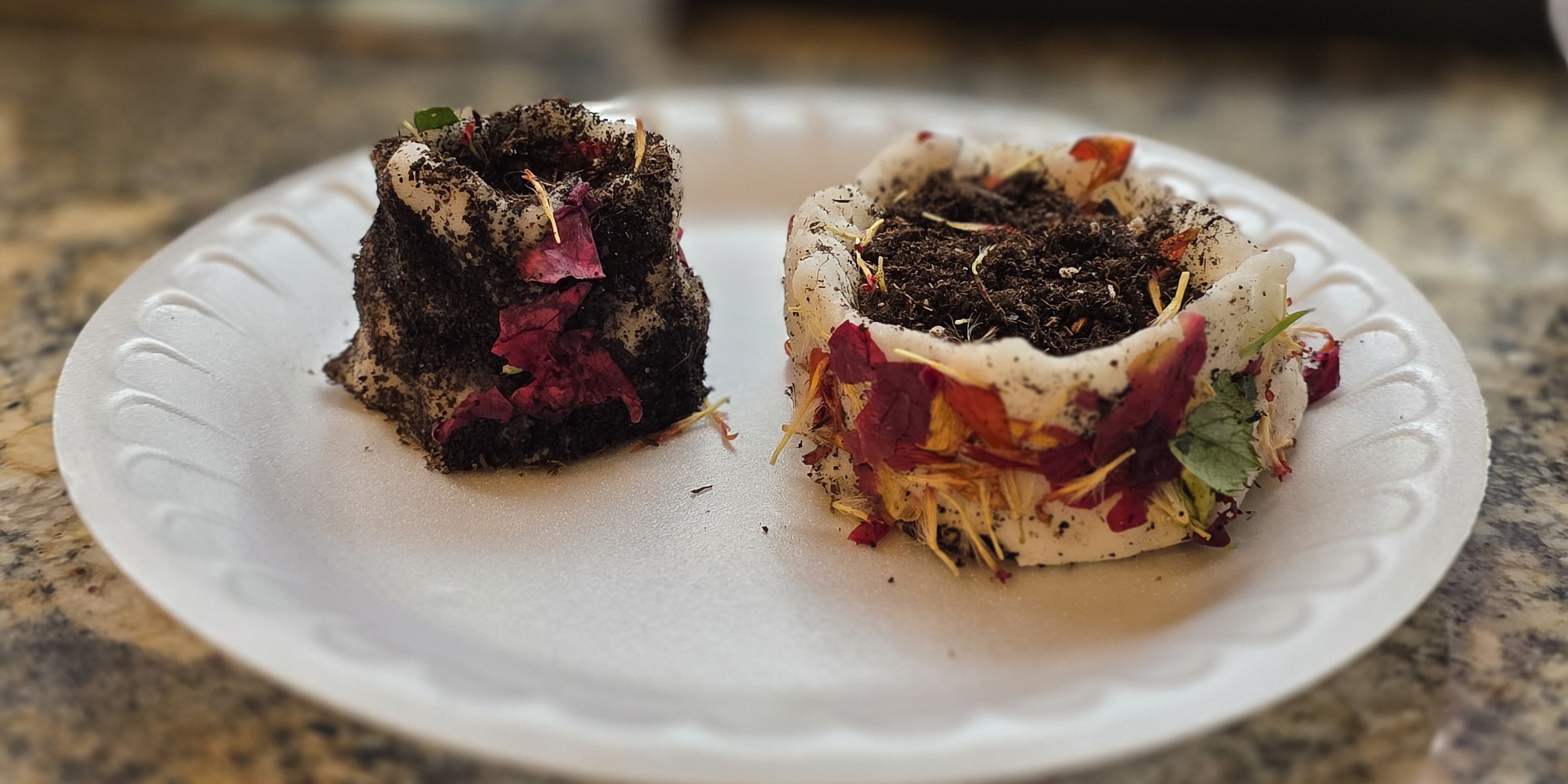
Through the process of designing and creating a biodegradable seed starter, I experienced firsthand how simple materials, such as citrus peels and biomaterials like goop, can be transformed into purposeful, functional designs. This shifted my perspective from viewing fabrication as technology-heavy to recognizing that it can also be accessible, low-tech, and grounded in real-world problem solving. The hands-on nature of the project reinforced the importance of learning by doing, allowing concepts such as sustainability and material properties to become tangible rather than abstract.
Students explore what happens to everyday waste and how it impacts the environment.
The teacher shows a plastic plant container and asks students what happens after it is thrown away. Students discuss where trash goes and how long it lasts. The teacher introduces biodegradable materials and explains that some materials break down naturally over time. The teacher then shows a citrus fruit and asks what usually happens after it is eaten. Students identify that the peel is often thrown away. The teacher introduces the idea that waste can be reused and explains that students will design a biodegradable seed starter using different materials.
Students explore different biodegradable materials and evaluate their properties.
Students are given access to a materials station that includes citrus peels, cardboard, paper scraps, natural materials, and goop made from cornstarch, water, and salt. The teacher explains that goop is a human-made biodegradable material. Students touch, observe, and compare materials by discussing texture, strength, and flexibility. The teacher models how to scoop out a citrus fruit and use the peel as a container. Students also observe how goop can be shaped into a form. Students discuss which materials may work best for holding soil and supporting a seed. The teacher encourages students to think about how materials will change over time.
Students design and construct a biodegradable seed starter using materials of their choice.
Students work in small groups to select materials and plan their design. The teacher reviews the design criteria by explaining that the container must hold soil, support a seed, and be made from biodegradable materials. Students may choose to use citrus peels, goop, or a combination of materials. Students scoop out citrus fruit and keep the peel or shape goop into a container form. Students fill their container with soil and place a seed inside. Students test whether their design holds the soil and remains stable. Groups adjust their design if it does not function properly. The teacher circulates to support decision-making, material use, and problem-solving.
Students present their seed starters and explain how their designs support sustainability.
Each group presents their seed starter and explains the materials used. Students describe why their materials are biodegradable and how their design reduces waste. The teacher asks students to compare designs by discussing which materials worked best and why. Students reflect on what they would improve in their design. The teacher connects the lesson to real-world sustainability by discussing how different materials impact the environment and how choices can reduce waste.
Students document their thinking and evaluate their design through a structured worksheet and final product.
Assessment in this lesson includes a combination of formative observation, a structured student worksheet, and a final product evaluation. The worksheet serves as both a formative and summative tool by capturing student thinking throughout the design process and providing written evidence aligned to each learning objective.
Having trouble? Let us know by completing the form below. We'll do our best to get your issues resolved quickly.
"*" indicates required fields