
- Loading…

Understand the structure of your teeth and develop good habits to take care of them.Caring for your teeth should start with daily habits, developing good practices for using and protecting them. For example, consistently brushing your teeth correctly in the morning and evening, using dental floss to clean between teeth, and having regular dental check-ups can ensure that each tooth stays healthy for a long time. This allows us to fully enjoy delicious food, express ourselves clearly, and lead a confident life.
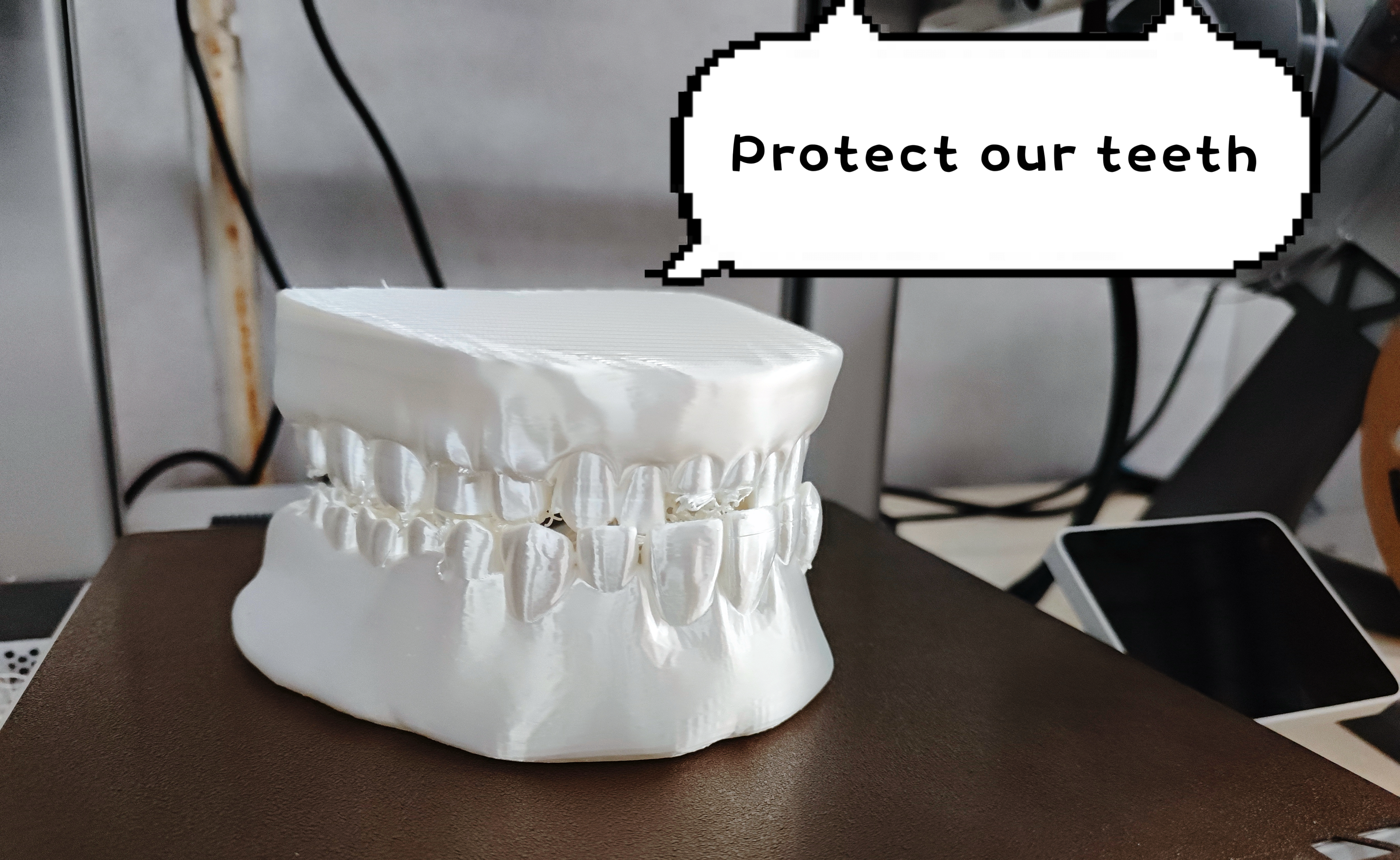

*Science*
This course aims to help students better understand the structure of their teeth, realize the changes that occur in different teeth during various growth stages, and develop good habits for taking care of their teeth.
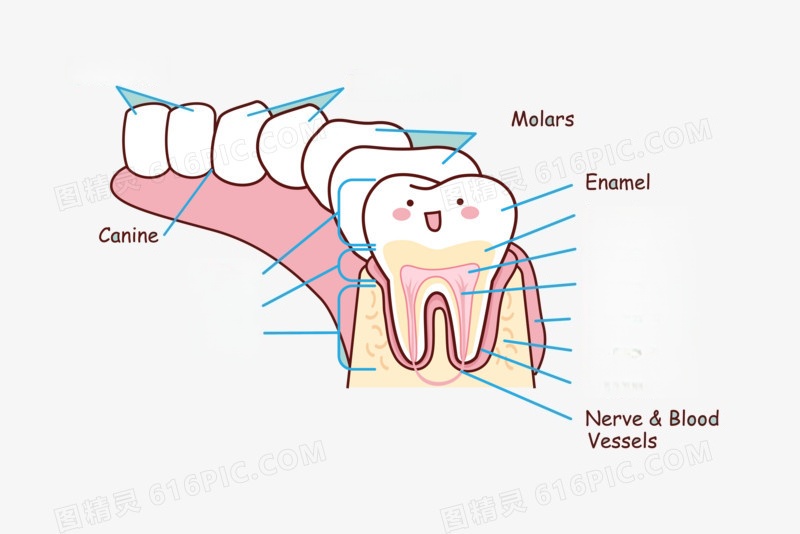
1.Enamel covers the outermost layer of the tooth crown, is milky white in color, glossy, and is the hardest tissue in the human body. Its hardness is greater than that of a copper bullet but slightly softer than a stainless steel spoon.
2.Dentin is the hard tissue that makes up the main body of the tooth, yellowish in color with a glossy appearance, and its hardness is lower than that of enamel.
3.Cementum is the hard tissue that covers the outer layer of the tooth root, with a structure and hardness similar to bone.
4.The dental pulp, commonly known as the tooth nerve, is the soft tissue located in the central cavity of the tooth and contains blood vessels and nerves.
*ELA*
At the same time, we practice the key sentences .
Student A:Look at my teeth!
Student B: Wow, your teeth are white.
Student A: This is a tooth.
Student B: These are my teeth.
Student A: When do you brush teeth?
Student B:I brush teeth in the morning.
Student A: I brush teeth at night ,too.
Student A: Do you like candy?
Student B: Yes, but….better less candy everyday
Student A: Correct. No candy. And always remember to rinse your month. It is good for your teeath.
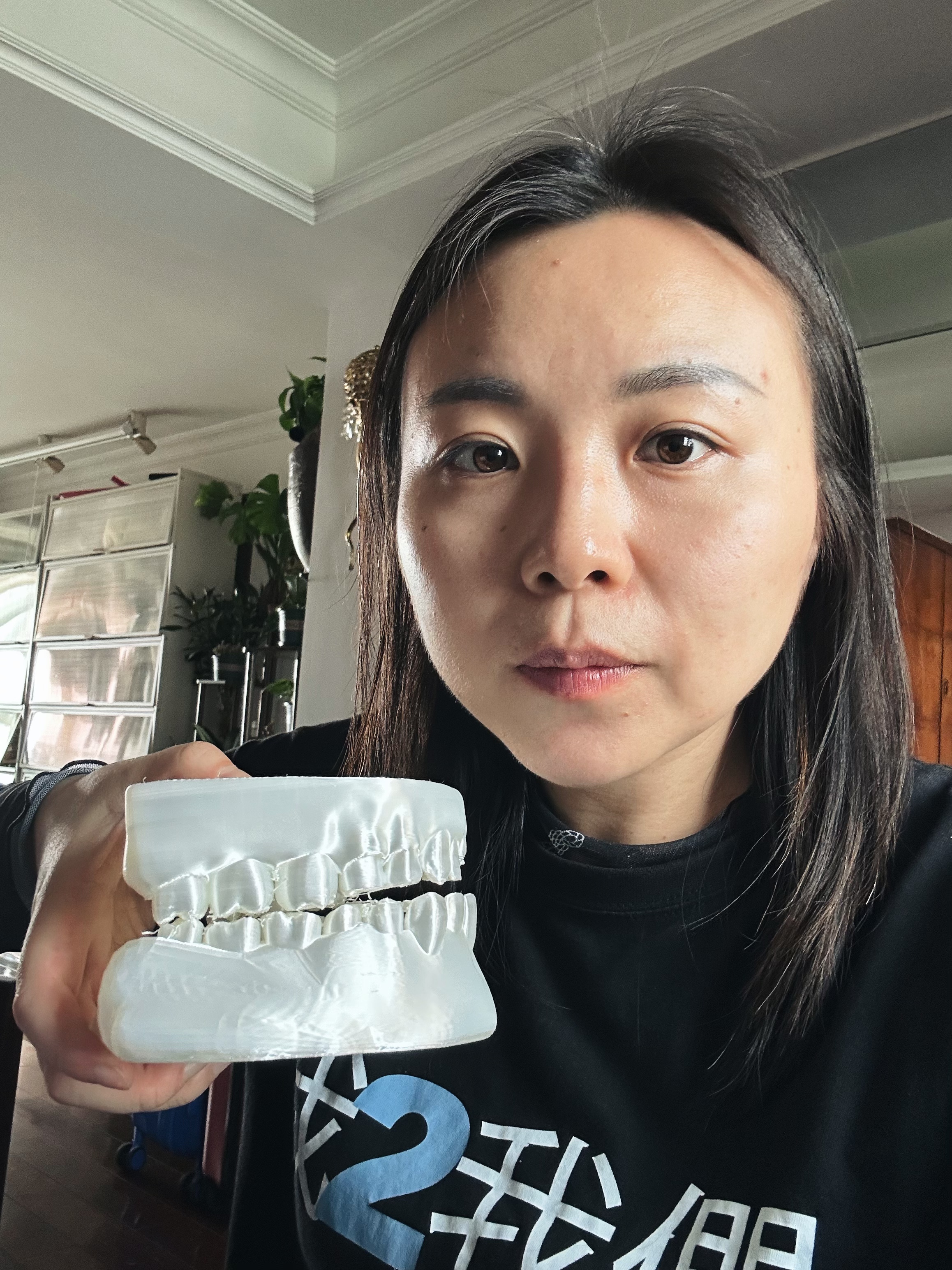
The well-made dental models I create will be used for classroom interaction with students, allowing them to visually understand the structure of our teeth. Along with their different stages of growth, the development of their teeth and the issues they may face can be explained more clearly.
When designing models, you can appropriately adjust the size or make smaller parts more flexibly. For example, you can find different tooth positions yourself and install them in a movable way, or even build your own teeth, which would be more fun.
This course aims to help students better understand the structure of their teeth, realize the changes that occur in different teeth during various growth stages, and develop good habits for taking care of their teeth. At the same time, we practice the key sentences .
Look at the structure of our teeth. let the kids touch the 3D model of teeth and explain what is oral health.

Dental hygieneOral health is an important part of overall human health. The World Health Organization has pointed out that dental health refers to the condition where teeth, periodontal tissues, adjacent parts of the oral cavity, and the maxillofacial region have no structural or functional abnormalities. The established oral health standards are: clean teeth, no cavities, no pain, normal gum color, and no bleeding. Therefore, oral health refers to having good oral hygiene, healthy oral function, and being free from oral diseases.

Do not use your teeth to open bottle caps or other hard objects to avoid damaging them. If a tooth is accidentally damaged or broken, protect the injured tooth promptly and go to the dental clinic for treatment.

Let's practice based on the page and use the key sentences Student A:Look at my teeth! Student B: Wow, your teeth are white. Student A: This is a tooth. Student B: These are my teeth. Student A: When do you brush teeth? Student B:I brush teeth in the morning. Student A: I brush teeth at night ,too. Student A: Do you like candy? Student B: Yes, but....better less candy everyday Student A: Correct. No candy. And always remember to rinse your month. It is good for your teeath.

Hand-out materials to test the students whether they remember the structure of our teeth and fill the blanks.

Having trouble? Let us know by completing the form below. We'll do our best to get your issues resolved quickly.
"*" indicates required fields