
Aligned with the rich design and cultural attributes of Marvel Studio’s Black Panther we offer a special collection of digital fabrication lessons inspired by this film.
Marvel’s Black Panther Official Trailer
IN THIS COLLECTION
Our team of experts in Afrofuturism, computational thinking, culturally situated pedagogy, K-12 standards and digital fabrication technologies have translated years of research into practical classroom applications for teachers to introduce to their students the tools and capabilities that enable them to dream, design and make (almost) anything.
OUR COMMITMENT
Along with the global Fab Lab Network we are committed to democratizing access to the technologies and knowledge of digital fabrication. This Black Panther Collection represents a timely opportunity to broaden pathways to STEM education by providing inclusive learning experiences at the intersection of cultural expression and technology.
JOIN THE CONVERSATION
If you have a lesson that you would like to contribute to our Black Panther Collection, please upload it here and we would love to feature it!
Please visit the SCOPES-DF Blog to chime in on our discussions about Black Panther.
The appearance of media from and references to Marvel Studio’s Black Panther on this website do not represent an endorsement of SCOPES-DF or the content herein.
STEM DIGITAL FABRICATION LESSONS
Social Studies / History, Geography, Arts
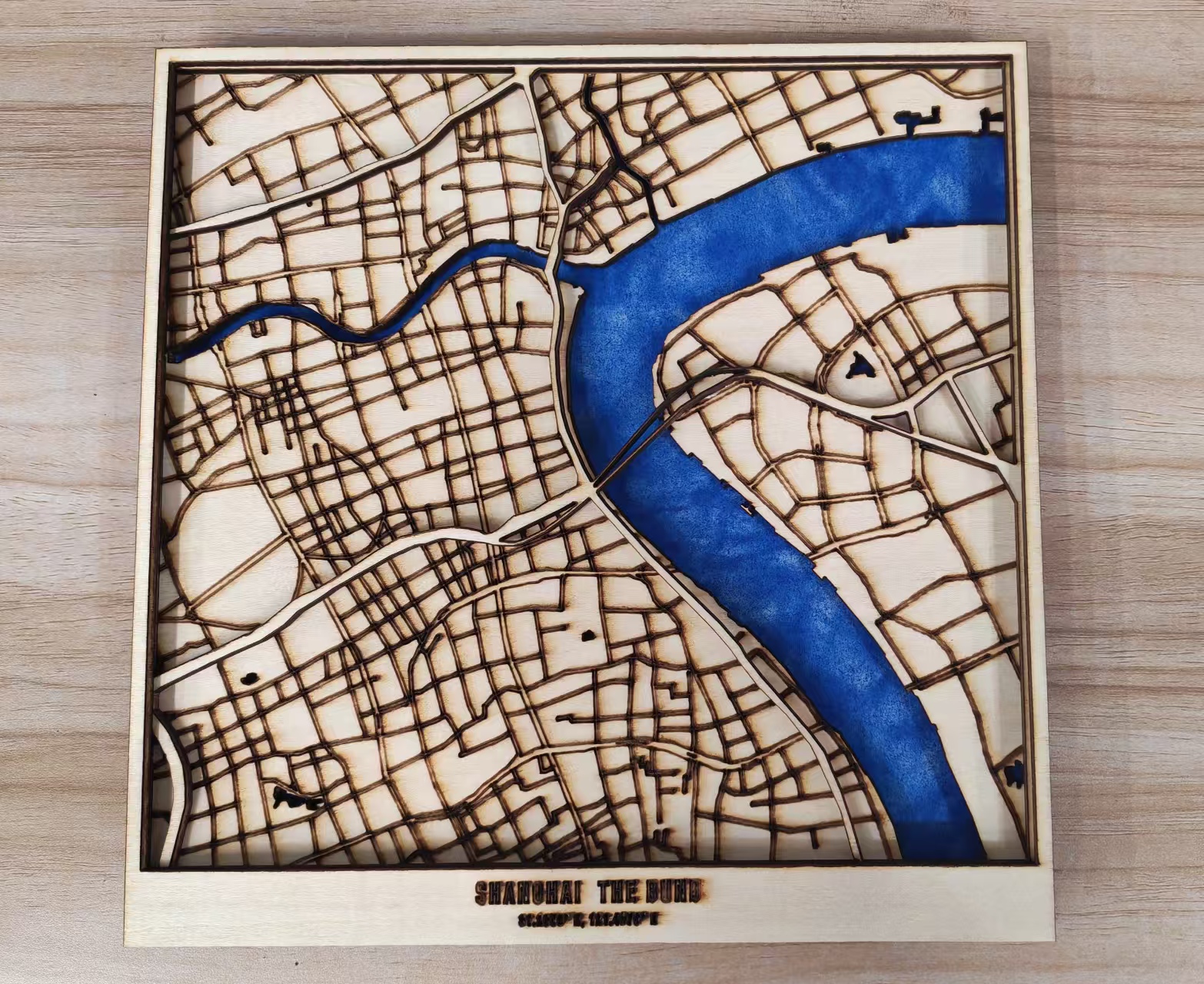
Rooted in constructionism, this history-and-geography lesson uses a teacher-made, laser-engraved wooden map of the Bund (上海外滩) as a physical teaching aid. The teacher designed and fabricated the map, together with…
November 24, 2026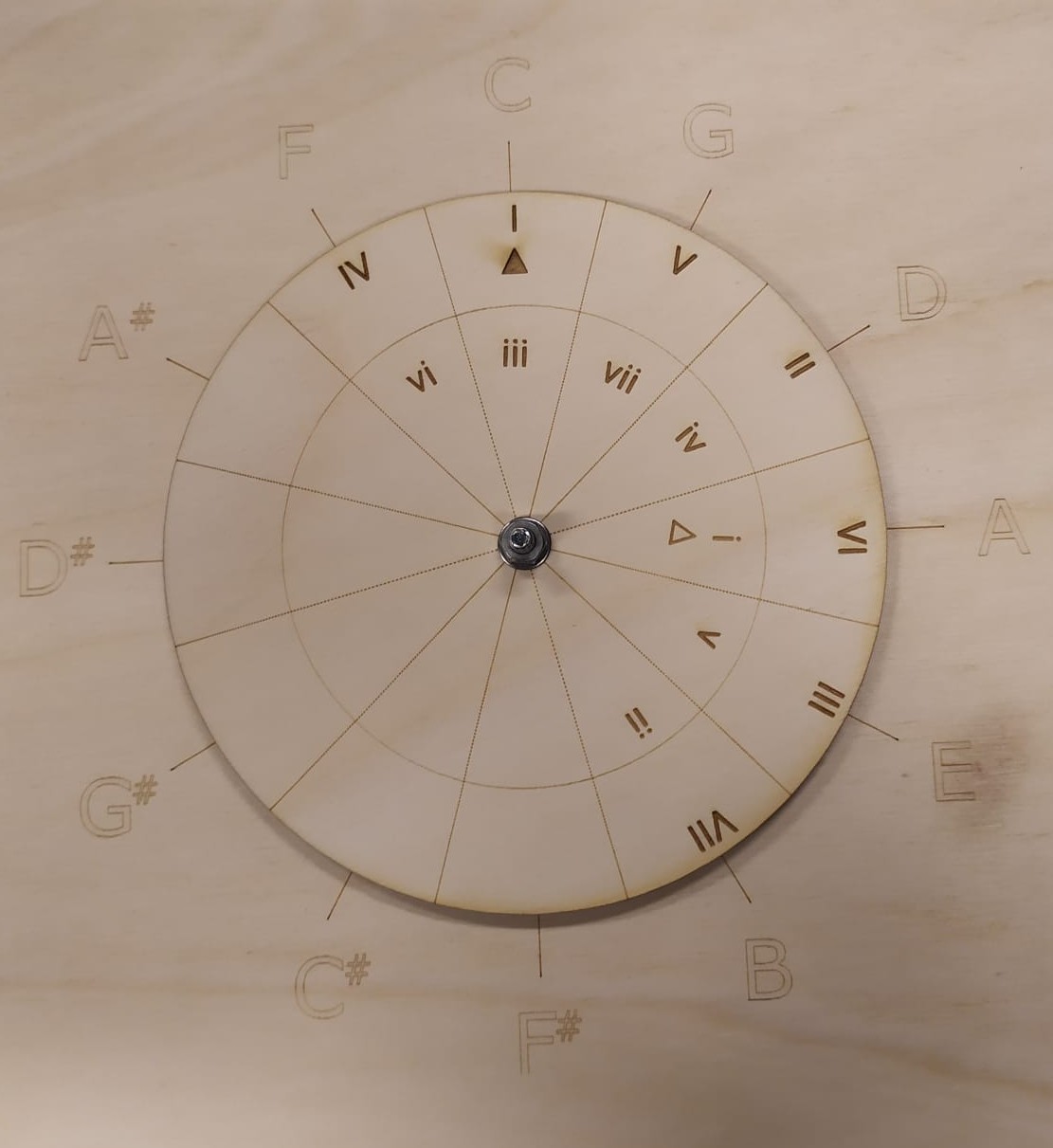
Understanding music as an interval
The lesson is about learning to see music (and the creation of music) as a set of intervals rather than a set of static “notes”.It’s about understanding the fundamentals that…
November 15, 2026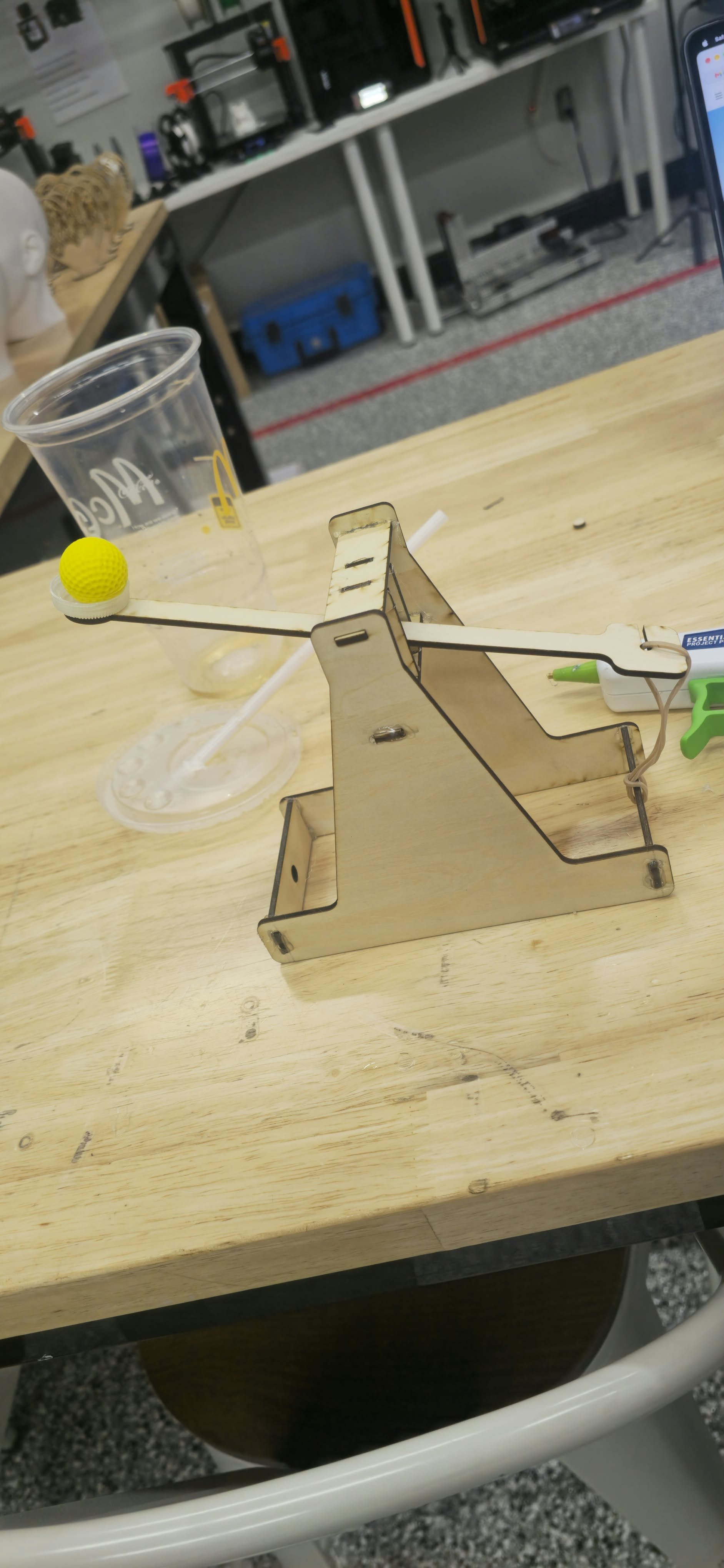
Medieval Castle Siege: The Physics of a Tabletop Trebuchet
How did medieval engineers use gravity to challenge castle defenses? In this hands-on STEM lesson, students operate an instructor-built, laser-cut, tabletop counterweight trebuchet to explore energy transfer, levers, variables, measurement,…
November 13, 2026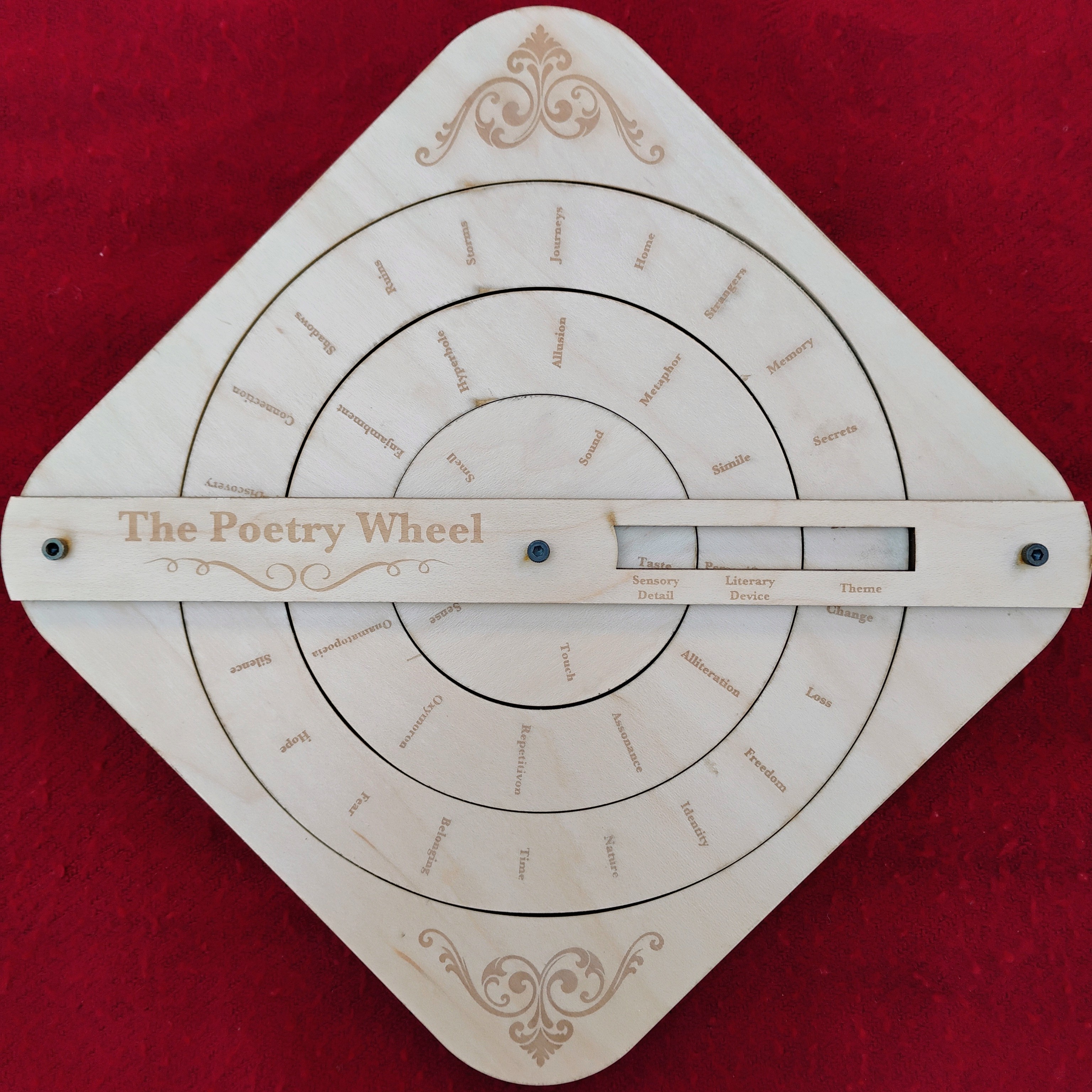
Poetry Wheel for Literary Devices and Sensory Details
Prior to this lesson, students should already have some general knowledge of basic literary devices and sensory details such as metaphor, simile, and visual imagery. Students will have the chance…
November 11, 2026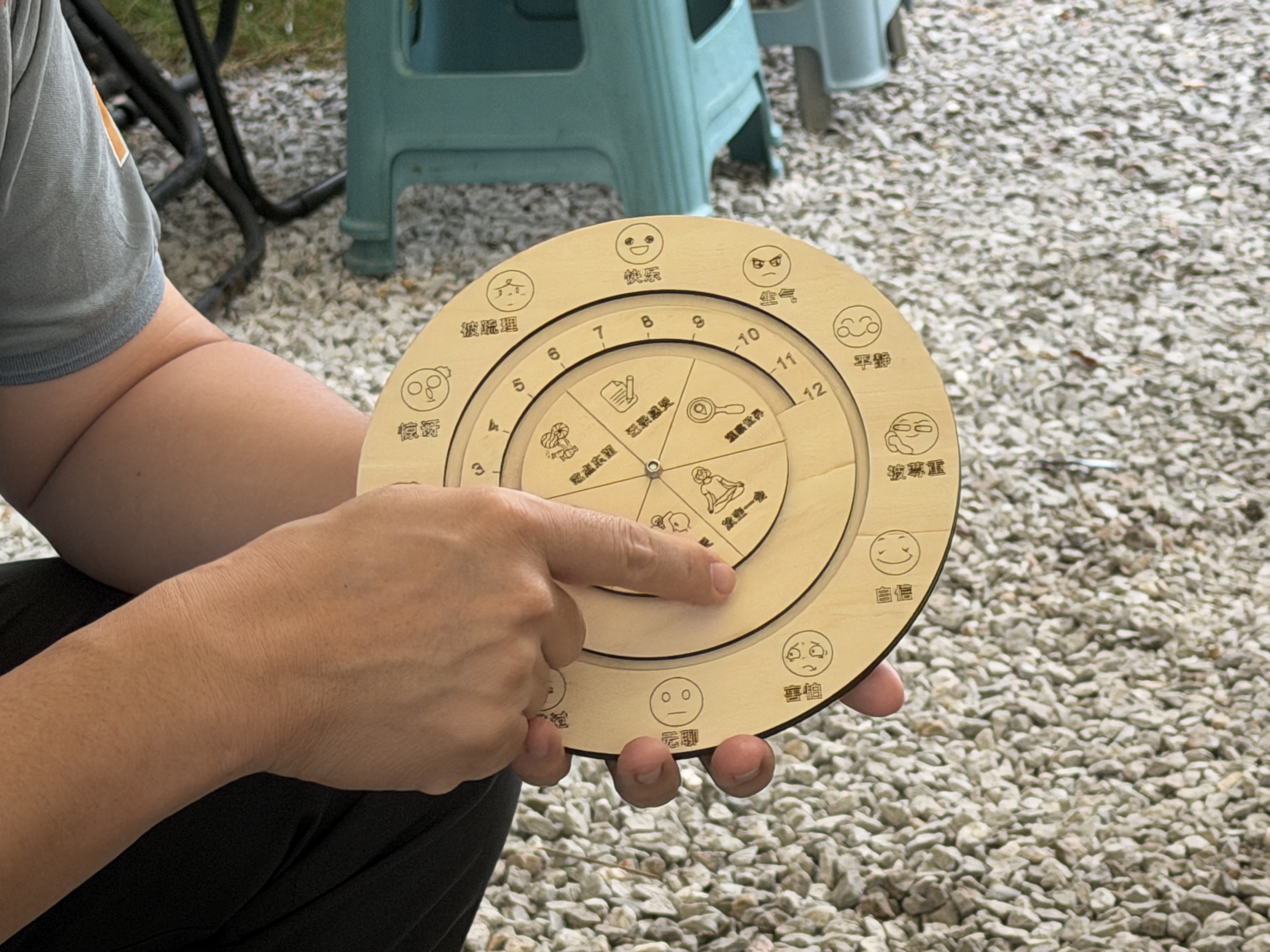
Three-in-One Feelings Wheel
The Three-in-One Feelings Wheel can be used in all teaching activities for children aged 4–12. It helps kids recognise their emotions, understand emotional intensity, and find and use their own…
November 9, 2026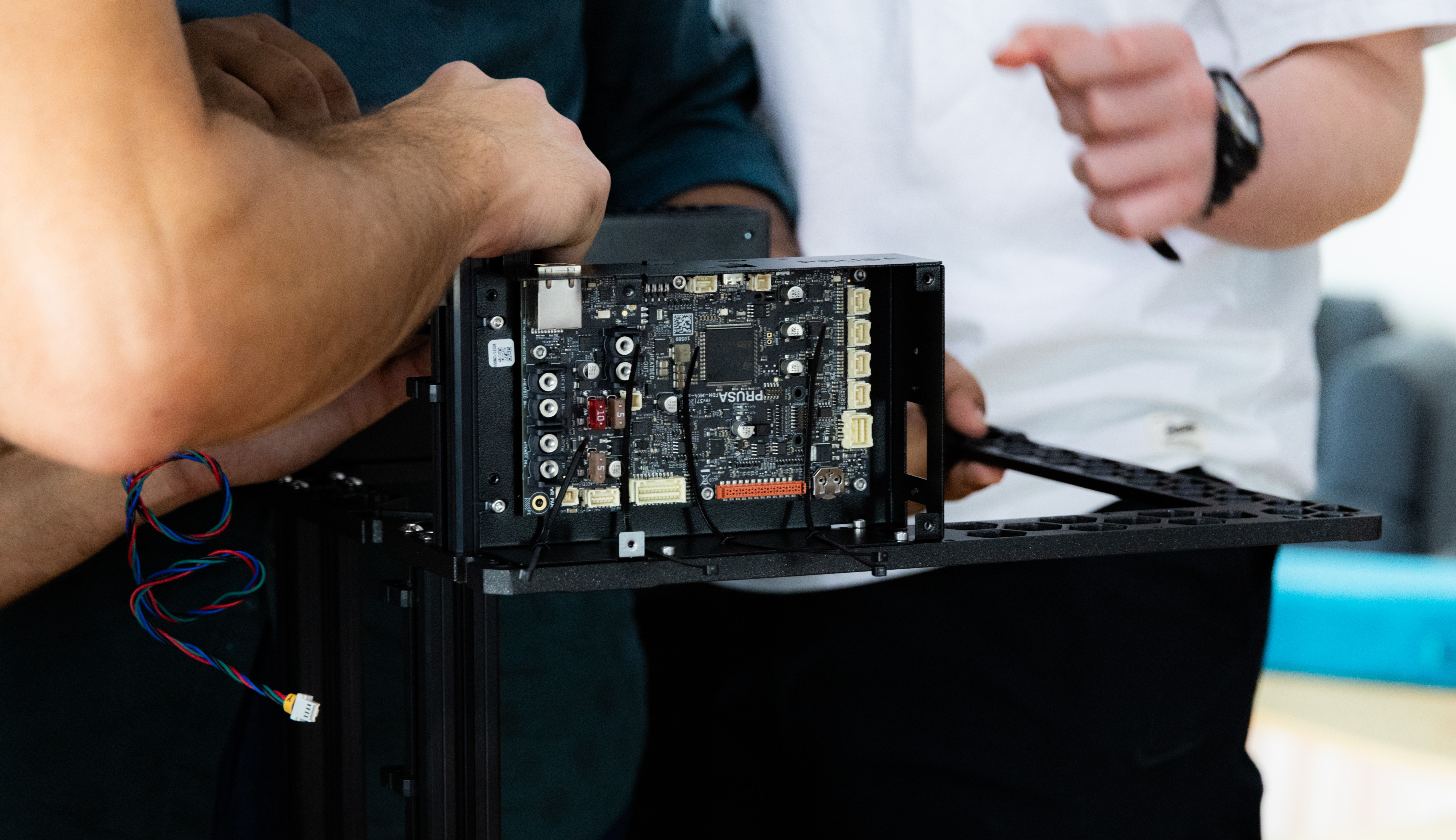
Quantum Ideas
The workshop introduces participants to the fundamentals of quantum computing by allowing participants to compare how the computers they use every day process information with how quantum computers work. Participants…
October 20, 2026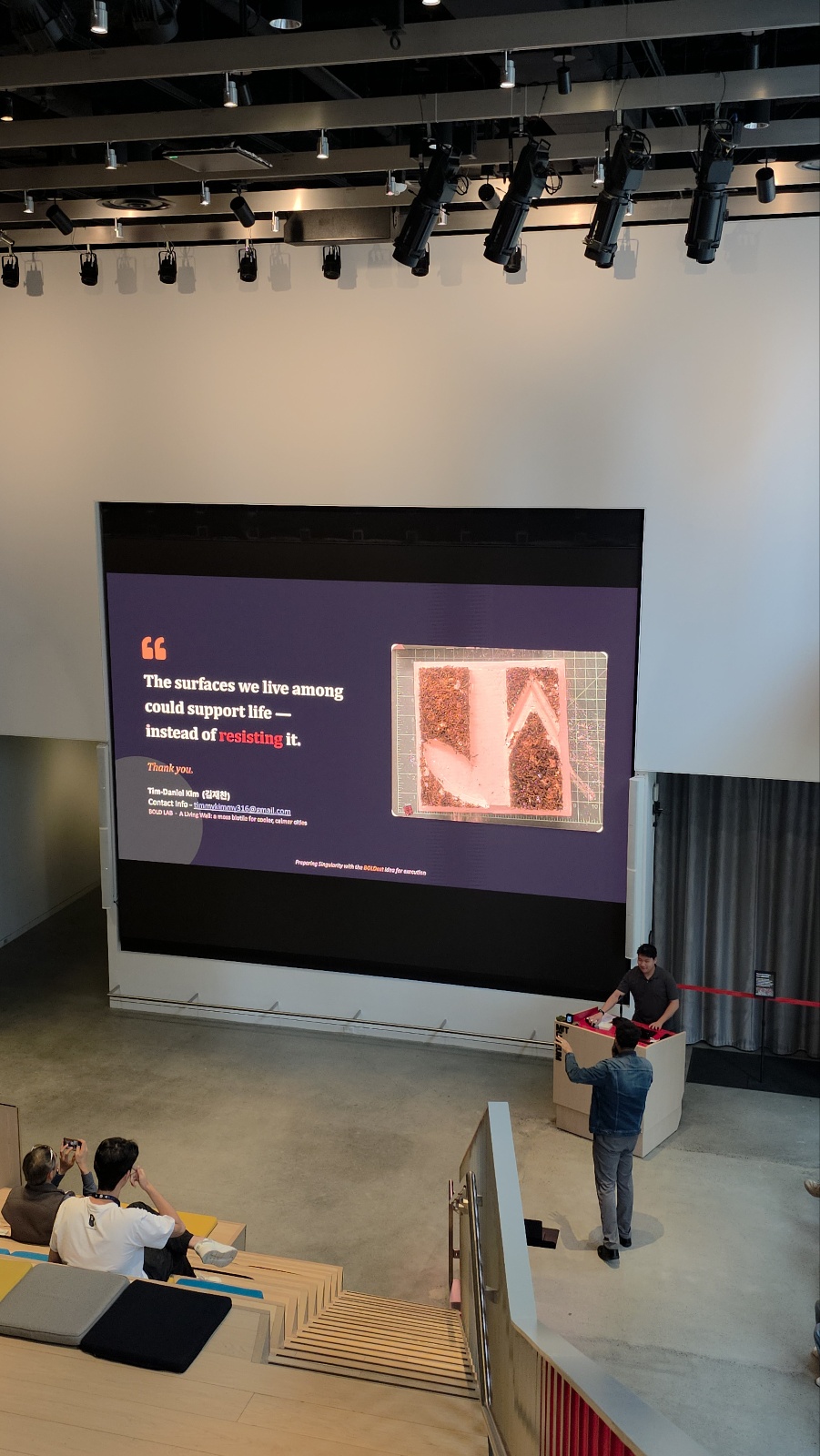
A Moss Biotile That Greens Bare Concrete for Cooler, Calmer Cities
A Living Wall is a small, modular “biotile” — a low‑pH, porous cast block that lets live moss take root on it, so a bare urban surface can slowly become…
September 26, 2026
Digital Economy Coders.
A 4-session online workshop focused on mobile app development and financial literacy using Thunkable. The experience will be hands on and project based, guiding participants to design, build, and present…
September 8, 2026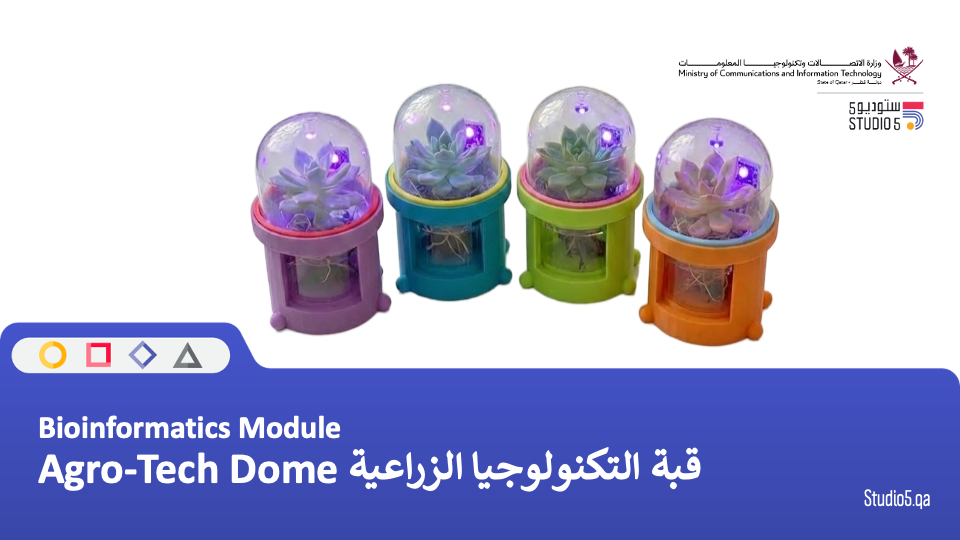
Agro-Tech Dome قبة التكنولوجيا الزراعية
يستكشف المشاركون كيف يمكن للتكنولوجيا أن تدعم الزراعة المستدامة والحفاظ على الأعشاب والنباتات المحلية. من خلال أنشطة عملية، يقوم المتعلمون بتصميم وبناء قبة زراعية (Agri-Dome) باستخدام النمذجة ثلاثية الأبعاد والطباعة…
September 7, 2026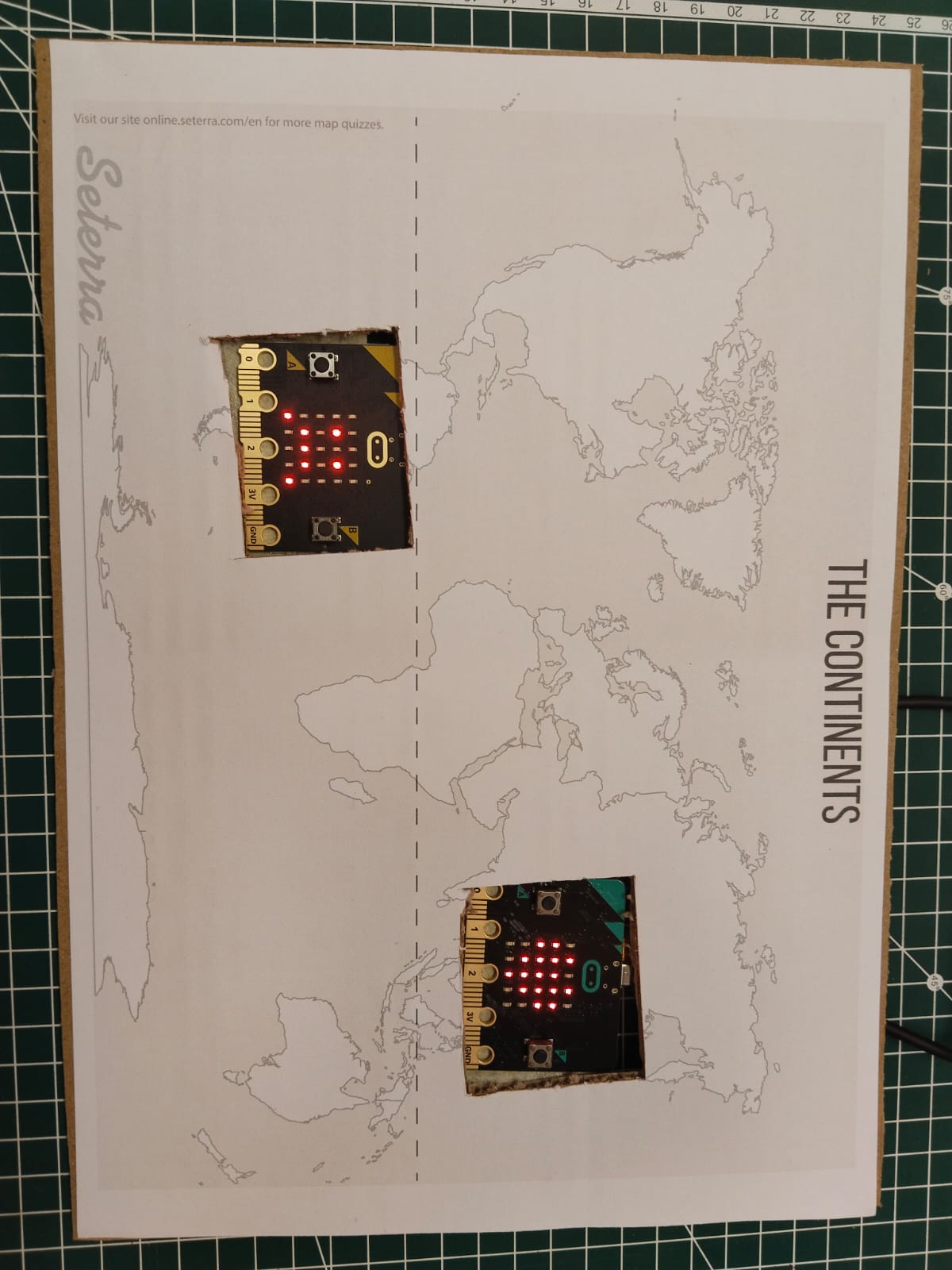
The World Comes Back to Me
The World Comes Back to Me is a global citizenship lesson through systems thinking and STEM Grade: Grade 8–9 Duration: 120–150 minutes Subjects: Global Citizenship, STEM, Environmental Education, Social…
August 31, 2026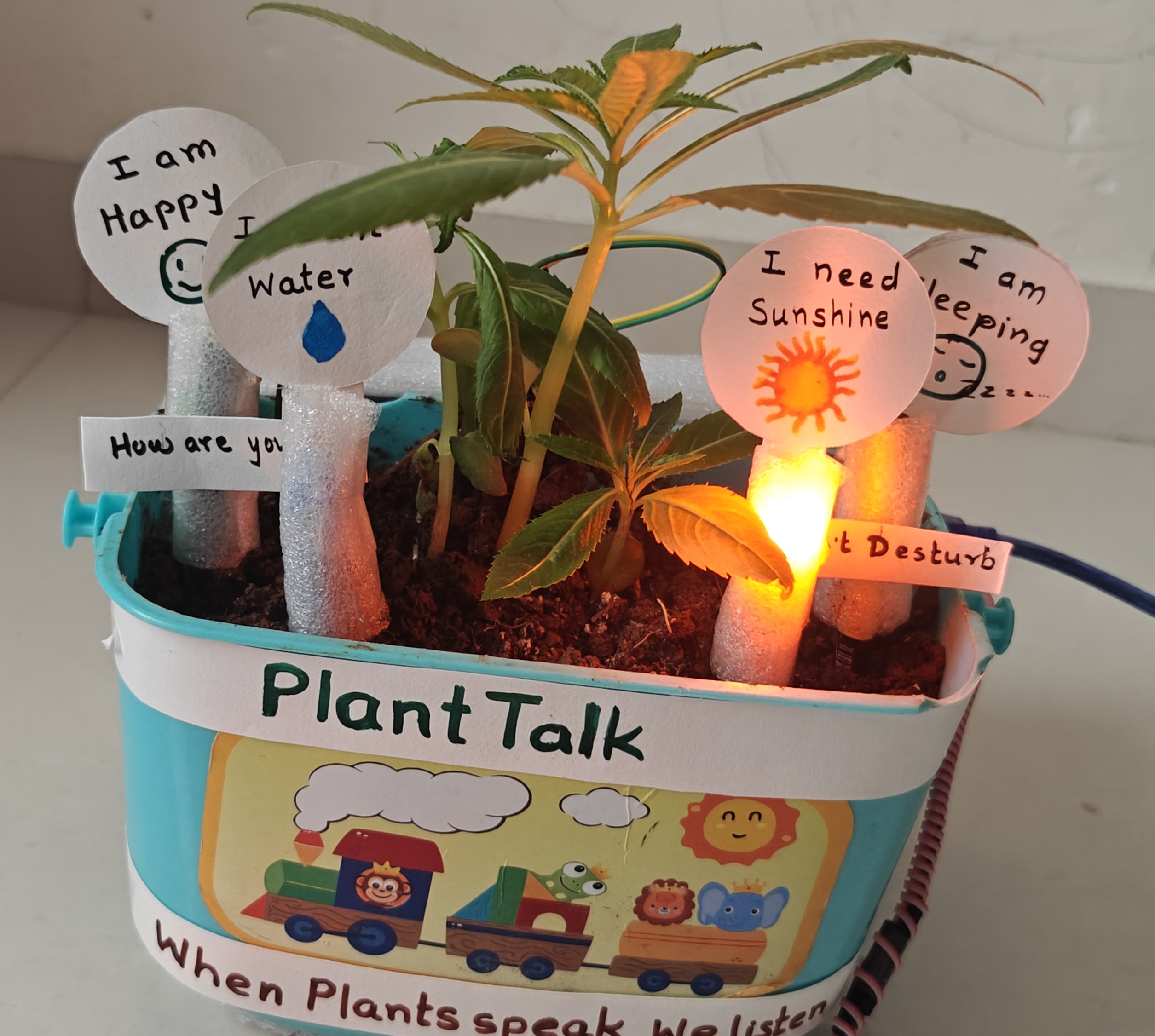
When Plants Speak: Learning Through Making for Sustainable Plant Care
Teachers involved Science, Social Science, Environmental Studies, Computer Science, Mathematics, and Fab Lab instructors can contribute. How it works Starts with a question: “How do we know what a…
August 29, 2026
Technology for Social improvement: The “Kindness Sensor” Robot
The workshop introduces the basics of sensors, inputs and outputs by allowing participants to explore how their iPads detect physical movements. Participants will learn how to use code blocks to…
August 25, 2026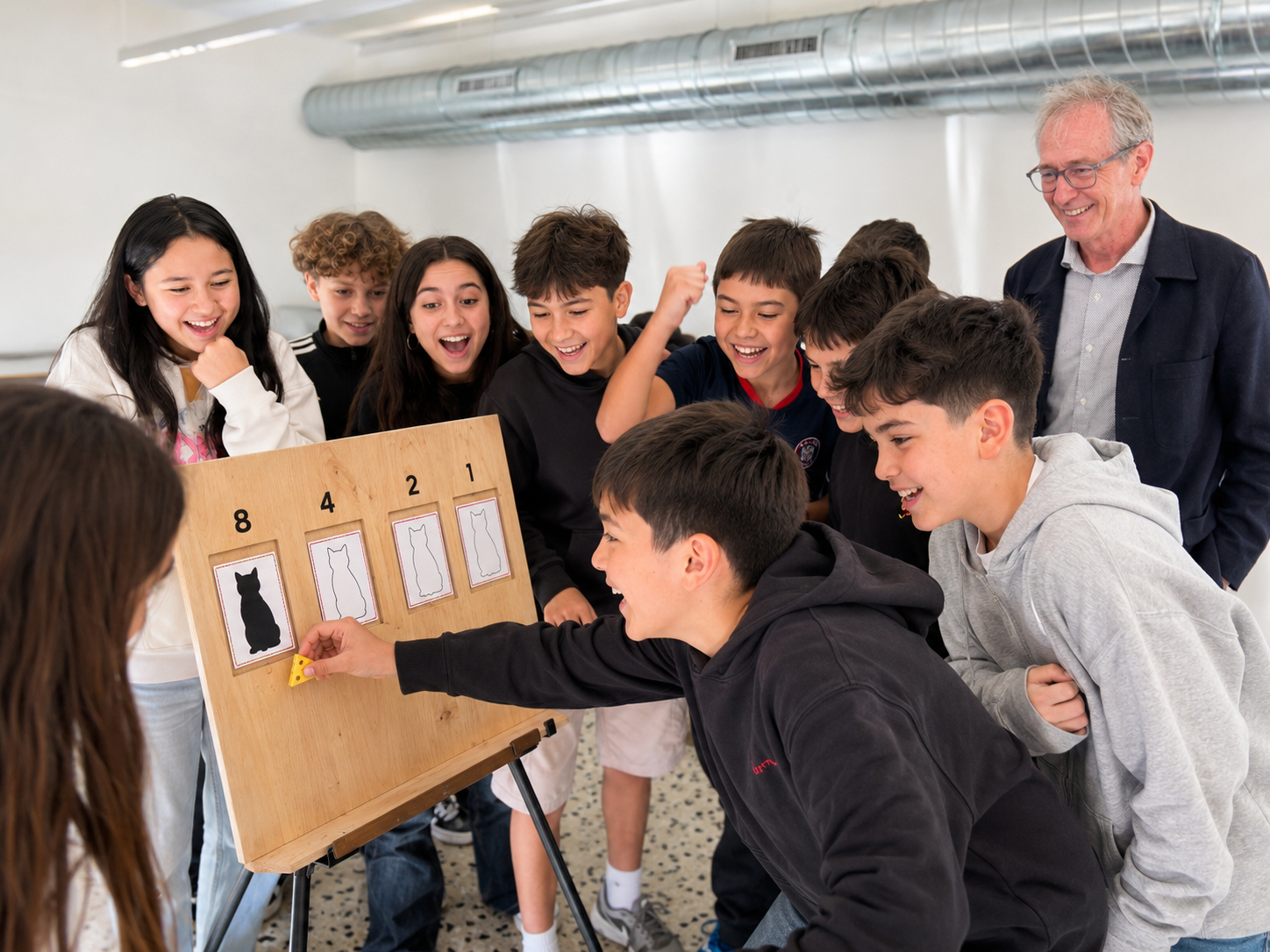
Human Computer – Unplugged (final)
Students become the logic gates inside a computer. Each holds a single double-sided card [ black cat (= 1) on one side, white cat (= 0) on the other ]…
July 22, 2026
Future Ready Learning : Harnessing Emerging Technologies التعلم المستقبلي : تسخير التقنيات الناشئ
تستكشف جلسة التطوير المهني “الاستقصاء” لمدة ساعة واحدة والمخصصة للمعلمين، كيفية ردم الفجوة بين التعلم داخل الصف والمهارات المستقبلية المطلوبة. سيتعرف المشاركون على أكثر المهارات طلبًا في مختلف القطاعات، مثل الطلاقة الرقمية، ومهارات…
July 22, 2026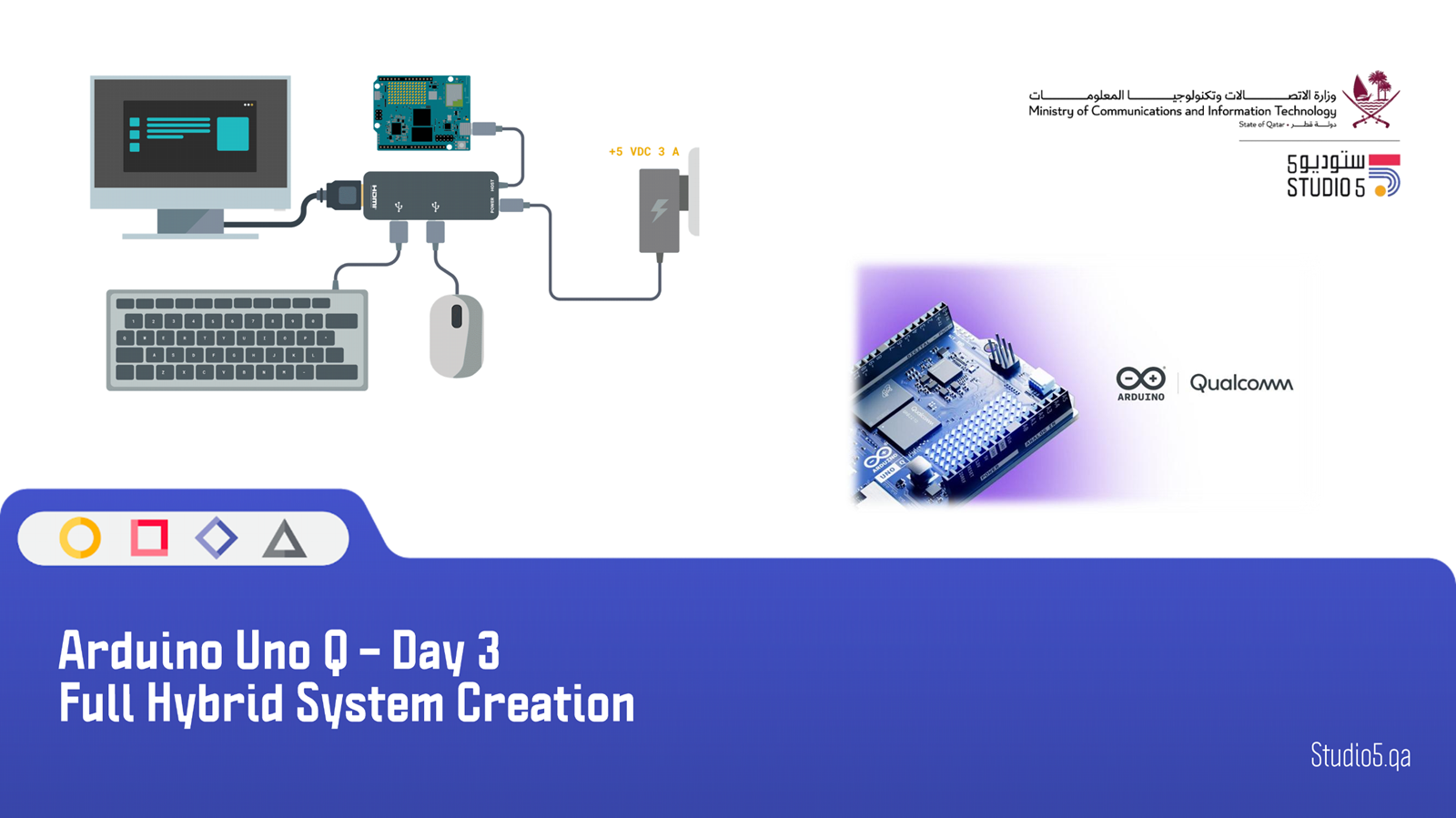
Arduino Uno Q– Day 3: Full Hybrid System Creation
This workshop aims to teach participants how to create a full hybrid system using IoT and AI. In addition, participants will have an overview on many different aspects of data…
June 28, 2026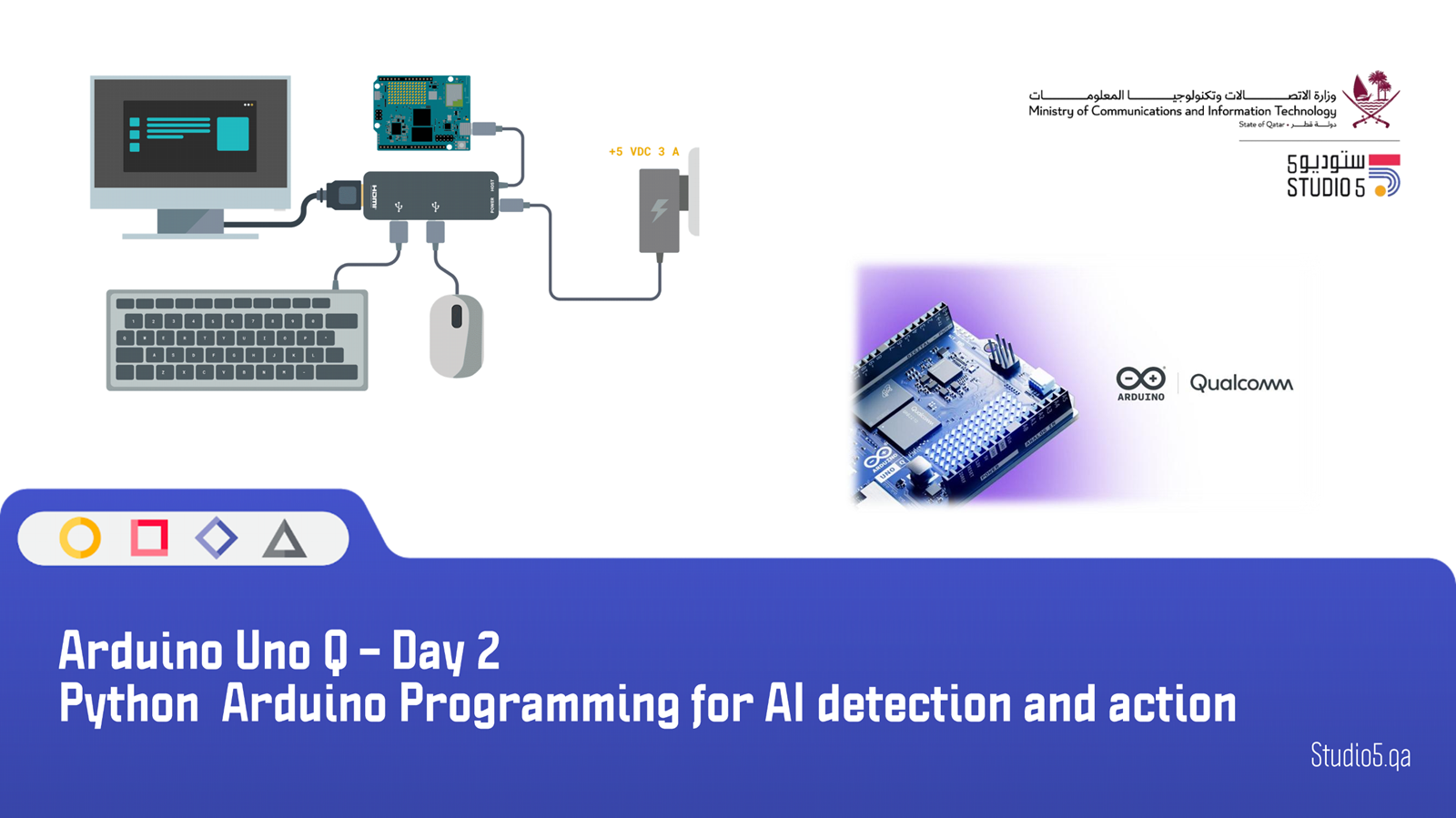
Arduino Uno Q– Day 2: Python Arduino Programming for AI detection and action
This workshop aims to teach participants IoT and API coding and its fundamentals, using Python and live data to visualize, analyze, predict and project effects on short and long term.…
June 28, 2026STANDARDS-ALIGNED
Community contributed lessons aligned with Common Core State Standards (CCSS) and Next Generation Science Standards (NGSS) offer formal educators innovative pathways to teaching content knowledge. The Fab I Can Statements are a resource to develop technology-literate learning progressions to align with content standards.
FAB TESTED
Periodically lessons are adapted and tested by the Fab Foundation team based on a call for submissions from fabbers, educators, and makers. Our inaugural set of lessons for the SCOPES-DF project were Fab Tested in 2016 and are tagged Fab Tested on the website.
OPEN-SOURCE VALUES
Lessons are distributed under a Creative Commons CC BY-NC license, that permits free use and re-purposing by others.