
Let’s talk kindness! This collection is in honor of Fred Rogers from Mister Rogers Neighborhood. Mister Rogers taught children and adults emotional management, acceptance, tolerance, love and how to deal with the feelings inside that we just can’t put our finger on. He gave his advice to educators and members of the community to take a holistic approach to teaching the whole child and their spectrum of understanding. These lessons focus on expanding the educational topics of digital fabrication to social emotional ones as well.
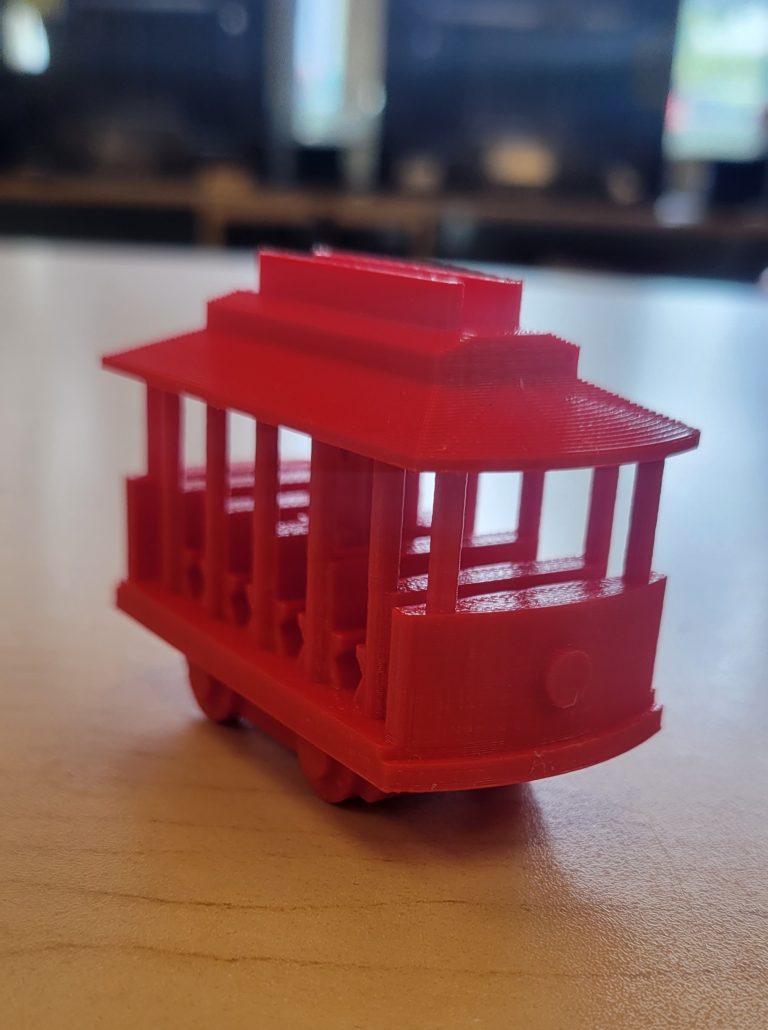
3D Printed Mister Rogers Neighborhood Trolley
In this lesson students will design a 3D model of Mister Rogers Neighborhood Trolley. We will be looking at how he took a stand against racial inequality in 1969 when…
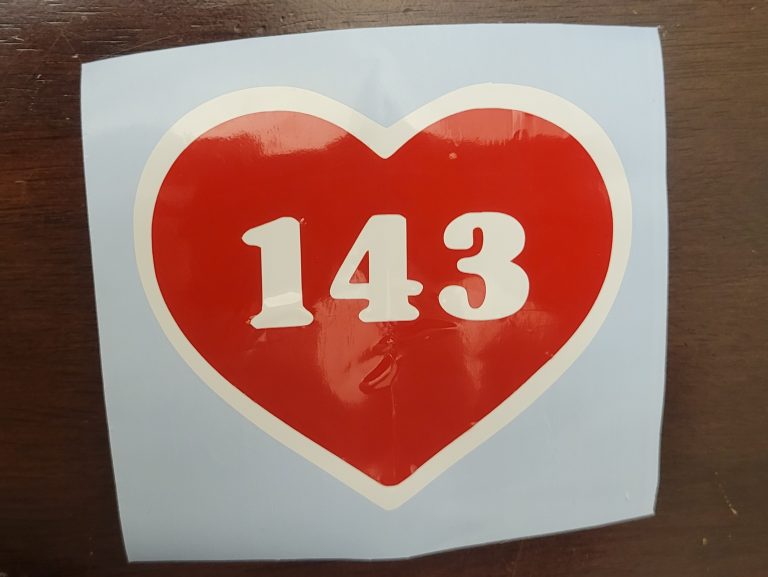
143 Pittsburgh’s Day of Kindness Vinyl Stickers
This lesson is a guided introduction to Mr. Rogers Day of Kindness. Students will create a vinyl sticker for their laptops, staff will assist in the design and fabrication of…
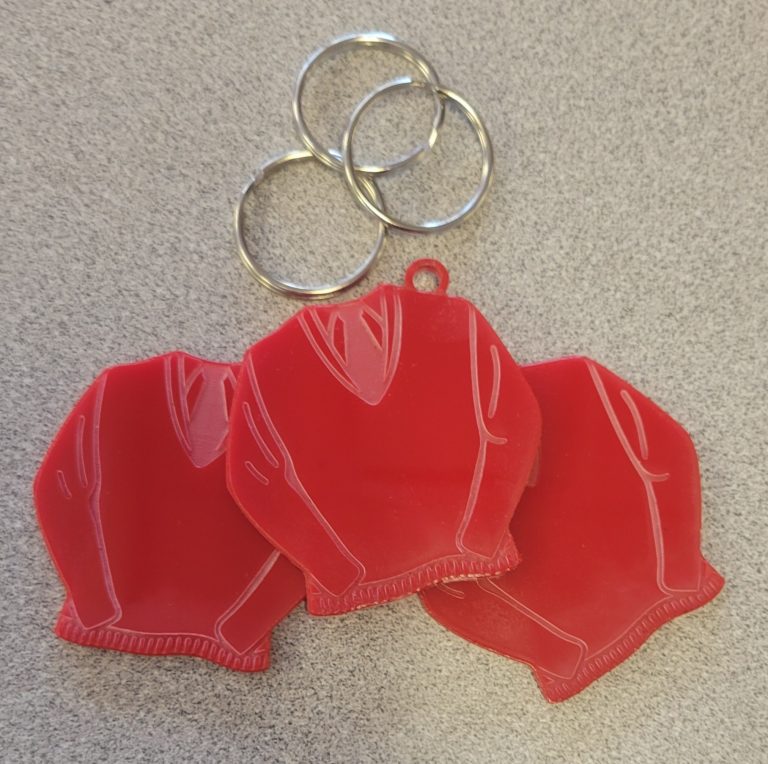
Mister Rogers Sweater Keychain
In this lesson students will design sweater keychains in honor of Mister Rogers. We will be looking at how his work in helping children develop socio-emotional skills inspired congress to…
about Wonderings from Pittsburgh
Mister Rogers spent his entire adult life teaching his audience racial justice, how to deal with difficult life events, and how to be kind to one another. I believe that it is our obligation as educators to democratize education to its fullest extent. The way I have found to do so is in bringing the life lessons that Mister Rogers taught me into the classroom.
IN THIS COLLECTION
These lessons are directly related to Mister Rogers and his ideological sensibilities on education and emotions. The first is a vinyl sticker that has the symbolic “143” on it. Mister Rogers always kept his weight at 143 pounds because there is one letter in “I”, four letters in “love”, and three letters in “you”. Next is a lesson outlining how to laser cut a keychain out of his beloved sweaters, which were all hand sewn by his mother. In the lesson we take a look at how he accomplished receiving 20 million dollars in funding for PBS just by discussing the emotional learning he did on his show with congress. And finally, a lesson to 3D print the famous trolley from his show taking the viewers into the “land of make-believe” while discussing the stand he took against racial injustice in the late 1960s.
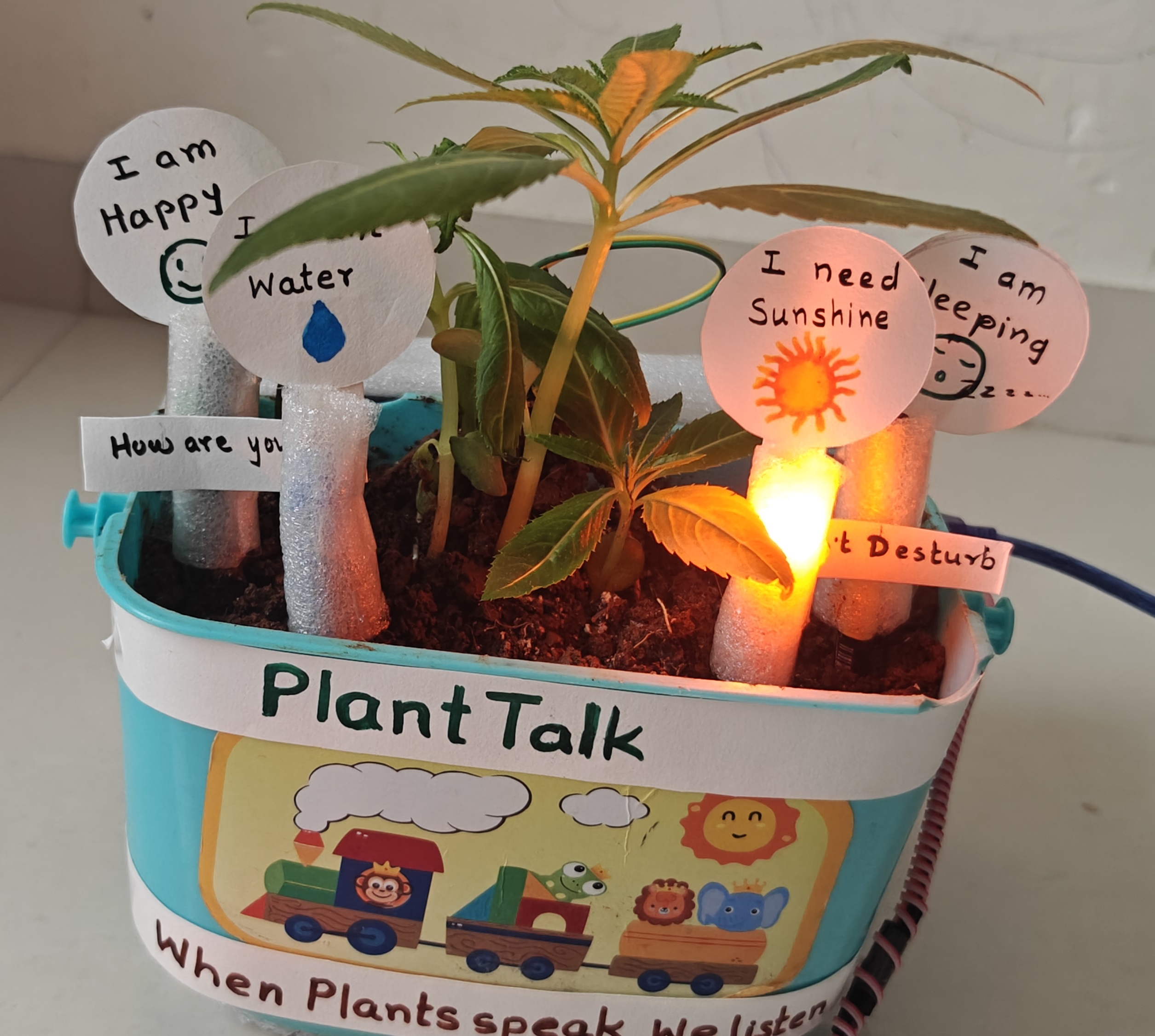
When Plants Speak: Learning Through Making for Sustainable Plant Care
Who it’s for Grade 6–8 students, in teams of 3–4 No prior electronics or coding experience needed 8–10 sessions, allowing time for plant growth How it works Starts with a…
August 29, 2026
Technology for Social improvement: The “Kindness Sensor” Robot
The workshop introduces the basics of sensors, inputs and outputs by allowing participants to explore how their iPads detect physical movements. Participants will learn how to use code blocks to…
August 25, 2026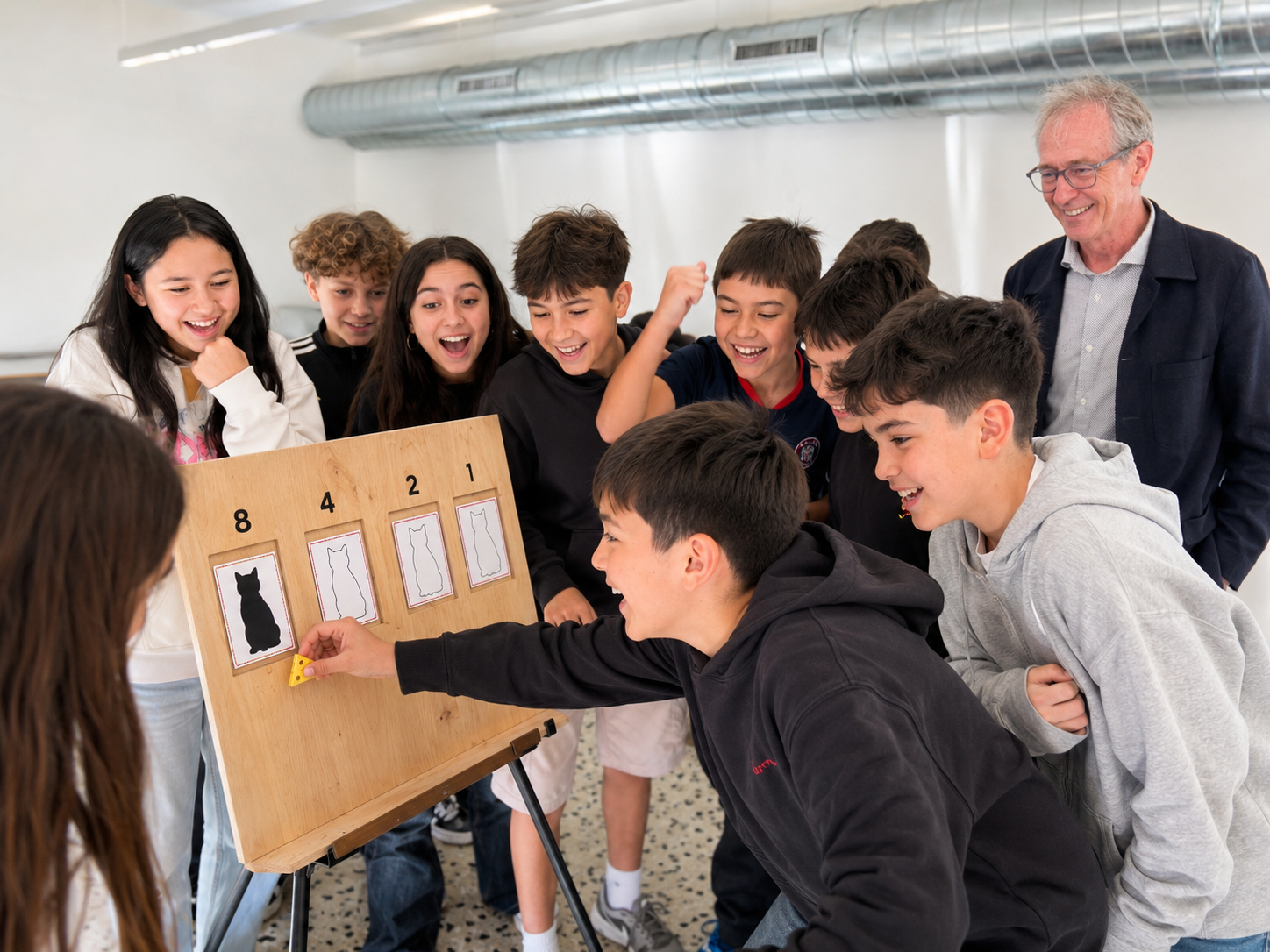
Human Computer – Unplugged (final)
Students become the logic gates inside a computer. Each holds a single double-sided card [ black cat (= 1) on one side, white cat (= 0) on the other ]…
July 22, 2026
Future Ready Learning : Harnessing Emerging Technologies التعلم المستقبلي : تسخير التقنيات الناشئ
تستكشف جلسة التطوير المهني “الاستقصاء” لمدة ساعة واحدة والمخصصة للمعلمين، كيفية ردم الفجوة بين التعلم داخل الصف والمهارات المستقبلية المطلوبة. سيتعرف المشاركون على أكثر المهارات طلبًا في مختلف القطاعات، مثل الطلاقة الرقمية، ومهارات…
July 22, 2026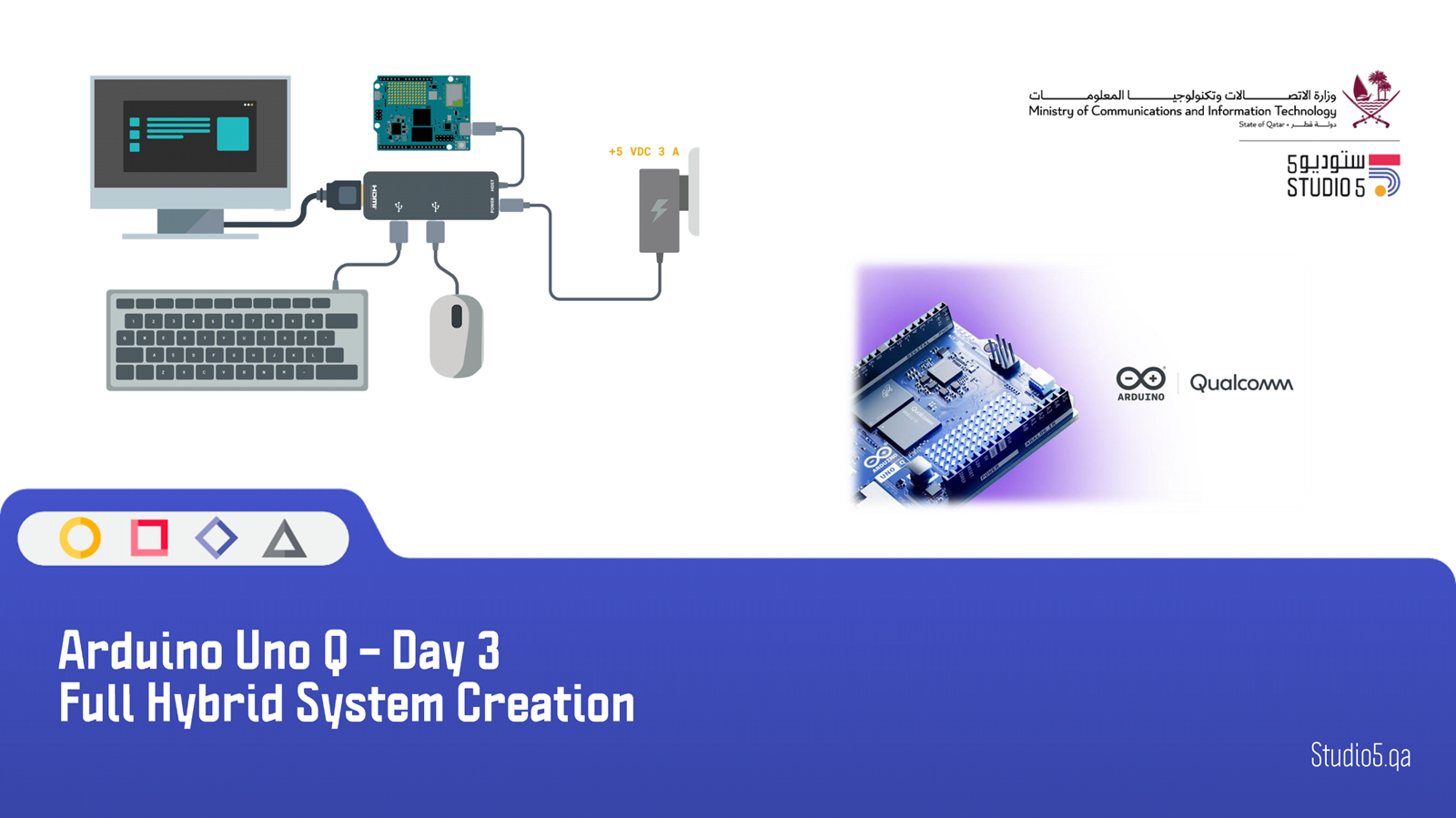
Arduino Uno Q– Day 3: Full Hybrid System Creation
This workshop aims to teach participants how to create a full hybrid system using IoT and AI. In addition, participants will have an overview on many different aspects of data…
June 28, 2026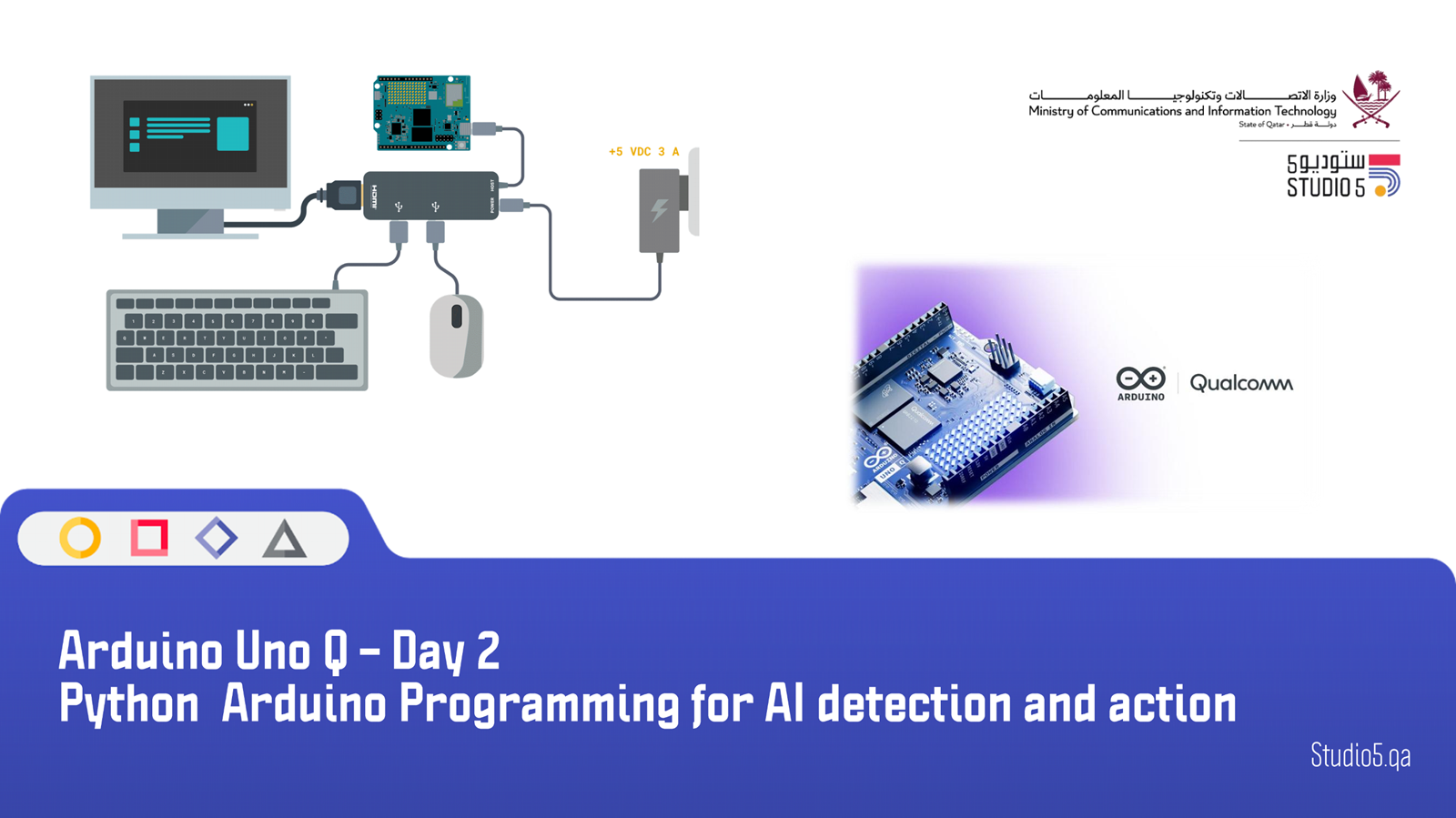
Arduino Uno Q– Day 2: Python Arduino Programming for AI detection and action
This workshop aims to teach participants IoT and API coding and its fundamentals, using Python and live data to visualize, analyze, predict and project effects on short and long term.…
June 28, 2026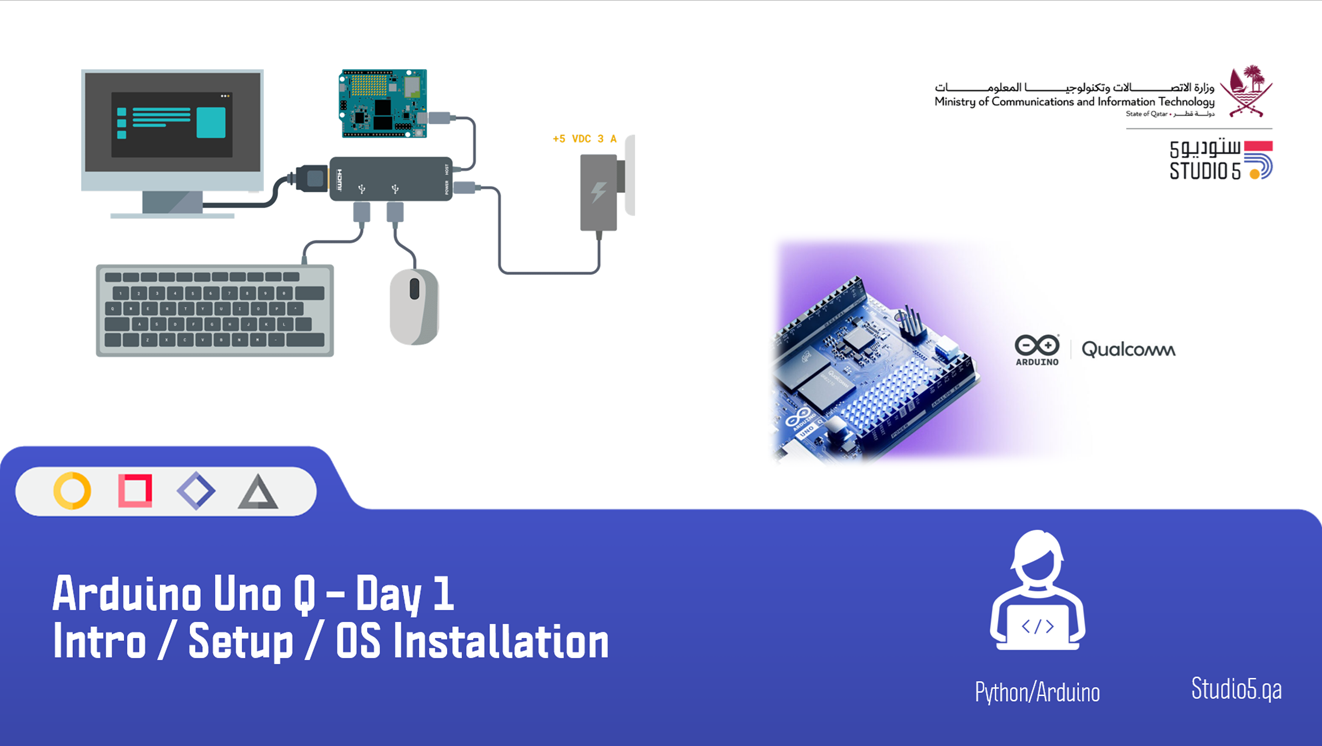
Arduino Uno Q – Day 1: Intro / Setup / OS Installation
This workshop aims to teach participants basic coding and its fundamentals, using Python and Arduino, going from knowing the board, do the full setup and configuration, write the basic Python/Arduino…
June 28, 2026
Local AI Agent discovering the Arduino Uno Q
This hands-on workshop guides participants step by step through the process of building and running a portable local AI agent using a resource-constrained device such as the Arduino UNO Q.…
June 25, 2026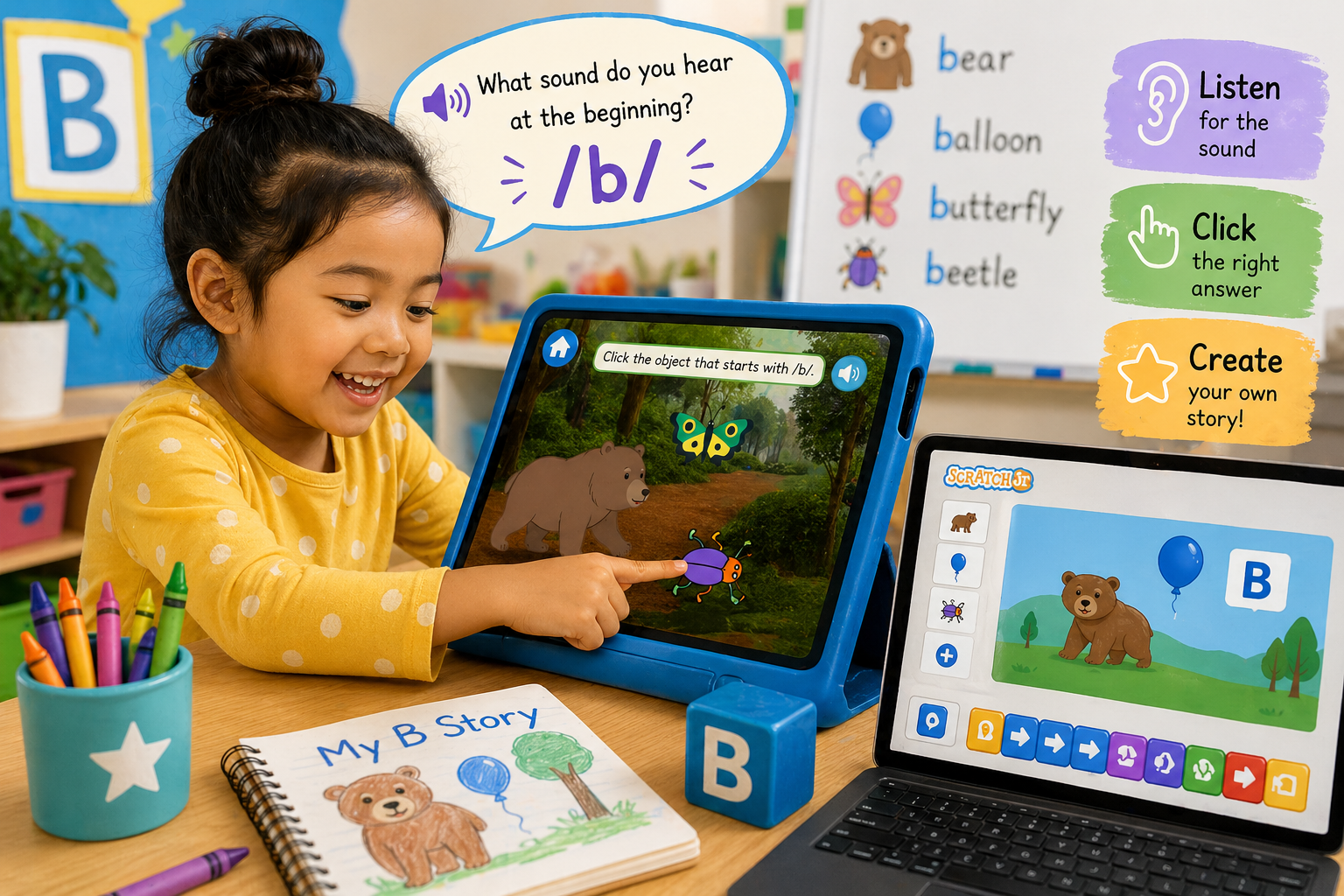
Interactive Beginning Sounds: Exploring Letters with Scratch & Scratch Jr
In this lesson, students develop early literacy skills by identifying and pronouncing beginning sounds, with a focus on the letter “B.” Students engage in phonics learning as they connect the…
April 30, 2026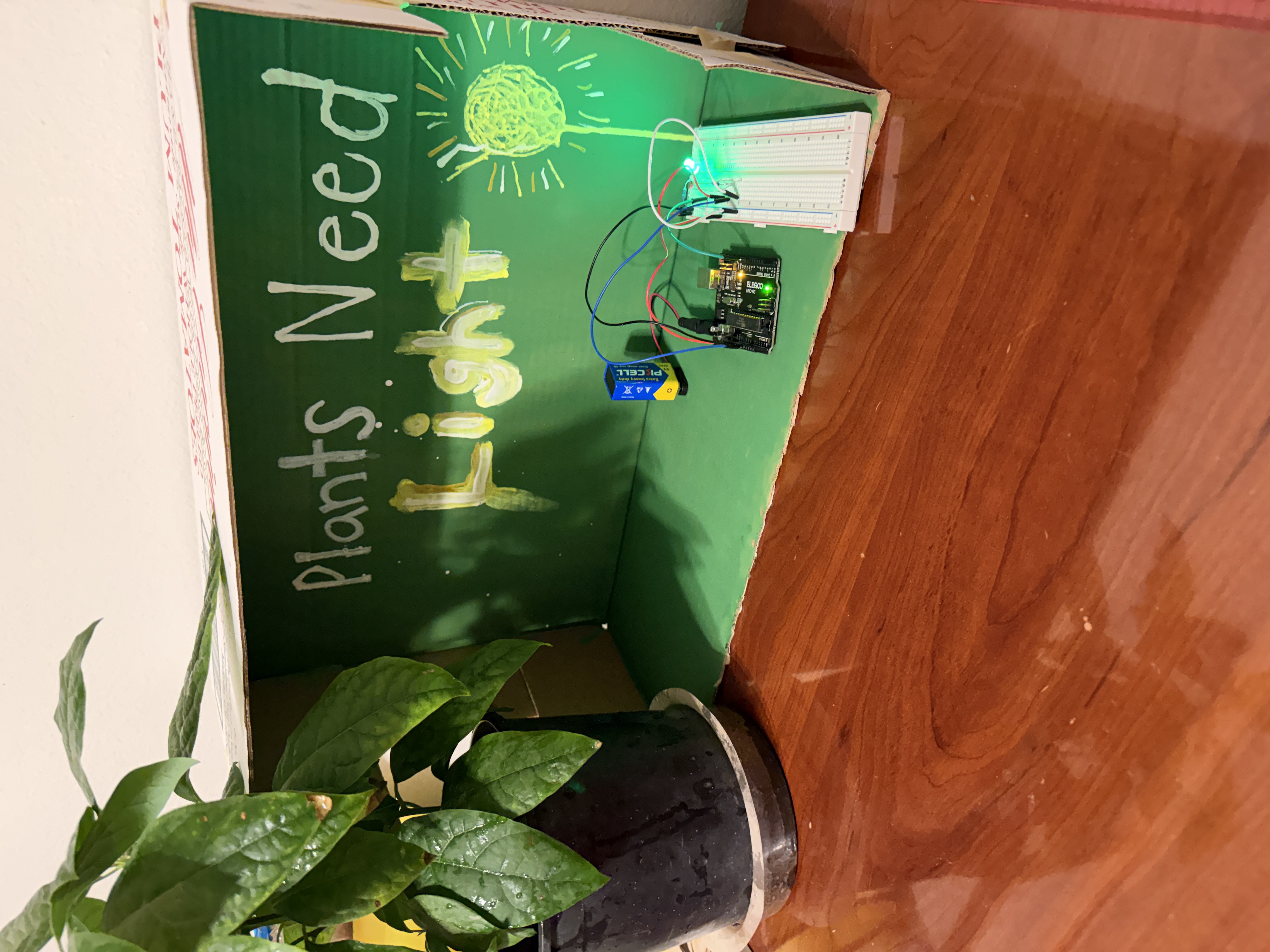
Engineering a Sensor-Based Plant Care System
Students design and build a smart plant monitoring system using an Arduino, a sensor, and an LED. They collect and analyze data such as light levels to determine when a…
April 29, 2026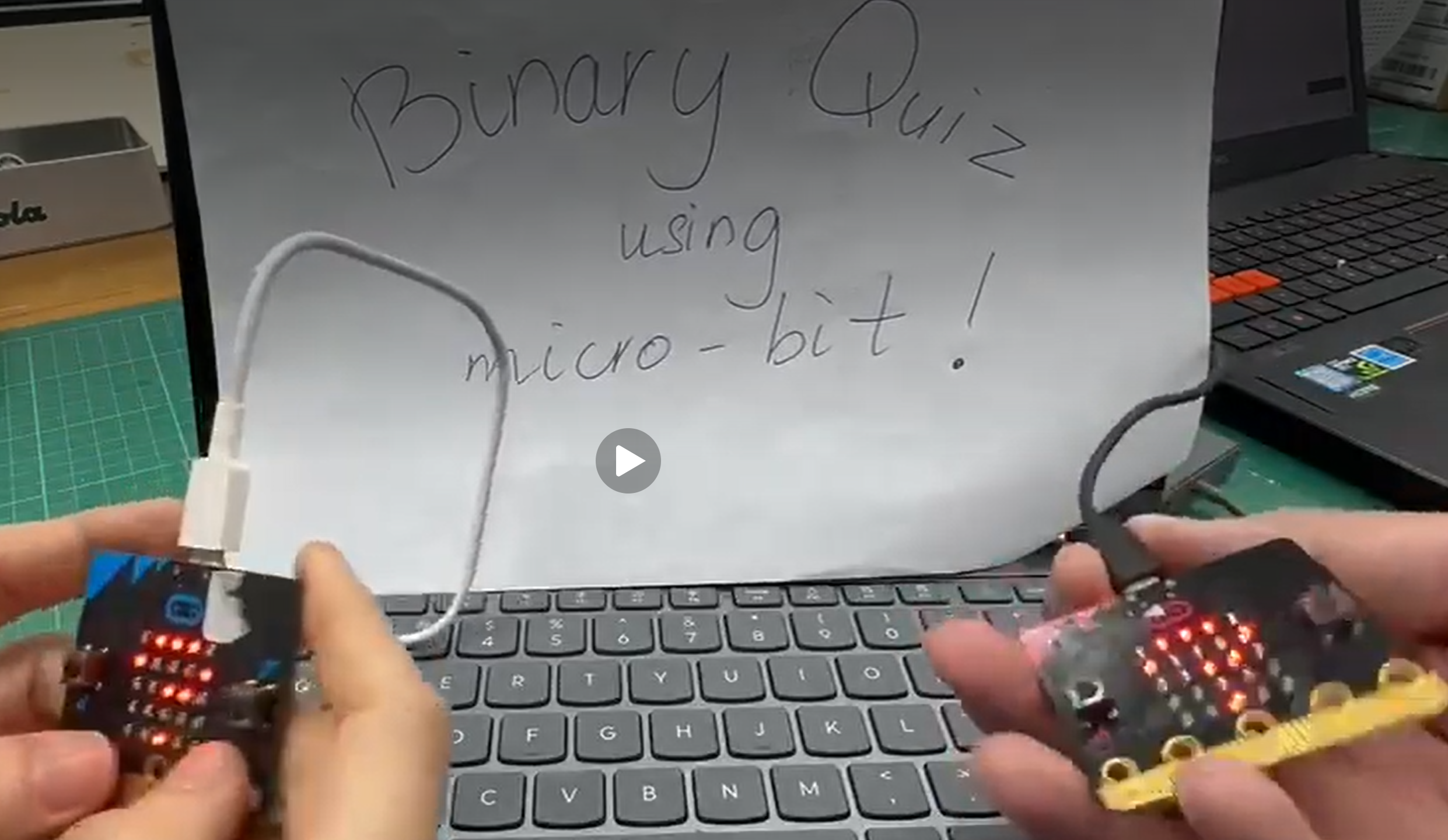
Fun Quiz on Binary with MicroBits
This is an optional extension activity after the teaching of binary numbers. In the introductory arithmetic module, students learn the four operations of numbers, the PEMDAS or BODMAS rule,…
April 29, 2026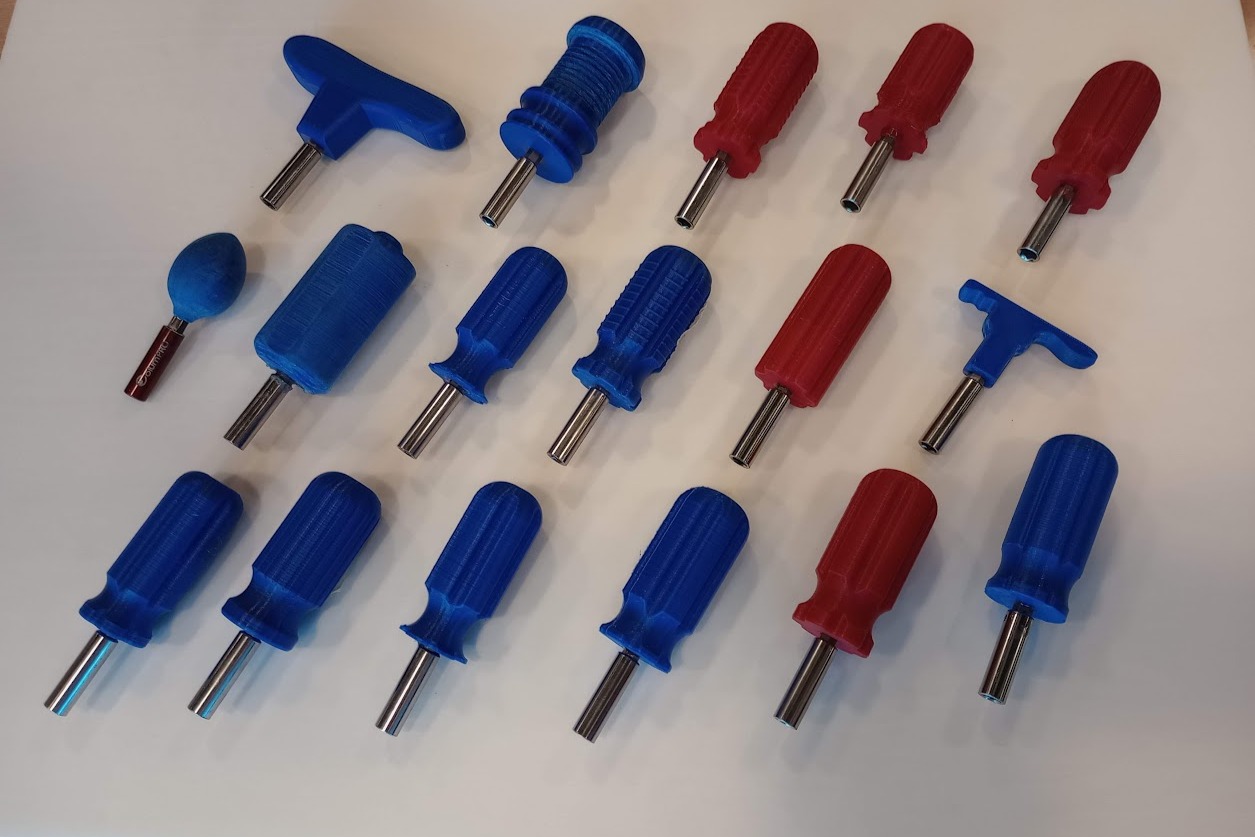
Ergonomic Screwdriver Project: Designing and 3D Printing a Compact Hand Tool
In this lesson, students investigate ergonomics, anthropometrics, and user-centred design by designing a compact screwdriver handle for use in confined spaces. Students begin by comparing everyday products and discussing which…
April 26, 2026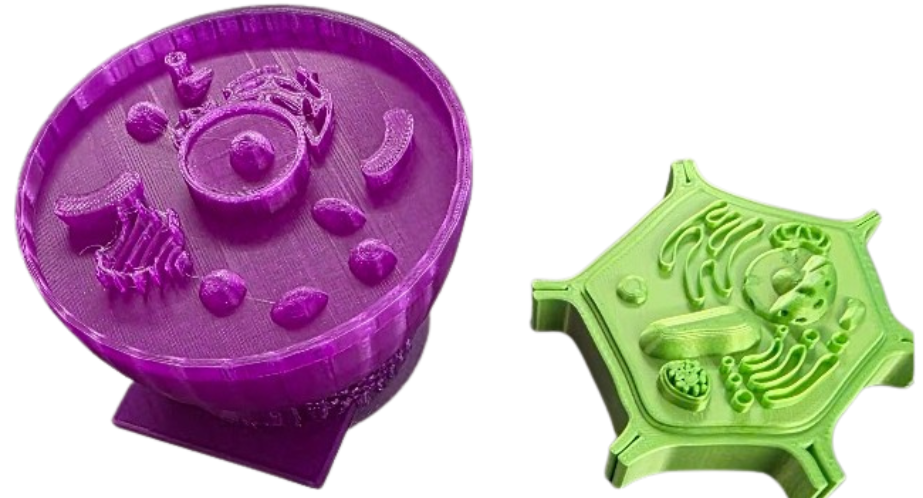
Exploring Plant and Animal Cells Through 3D Models
In this lesson, students explore the structure and function of plant and animal cells using 3D printed models as a hands-on teaching aid. Students interact with physical representations of cells…
April 26, 2026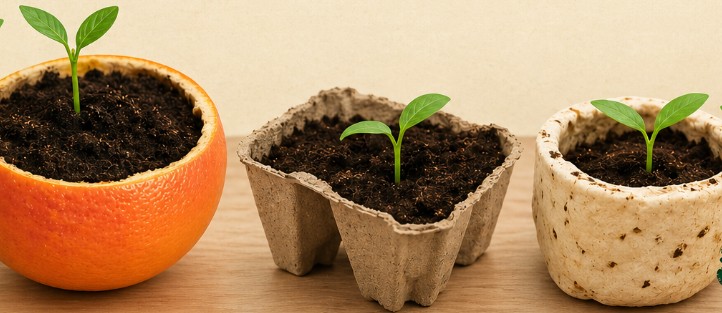
From Waste to Growth: Designing Biodegradable Seed Starters
In this interdisciplinary lesson, students engage in a design challenge to create a biodegradable seed starter using everyday materials. Students explore how waste materials, such as food scraps and paper…
April 26, 2026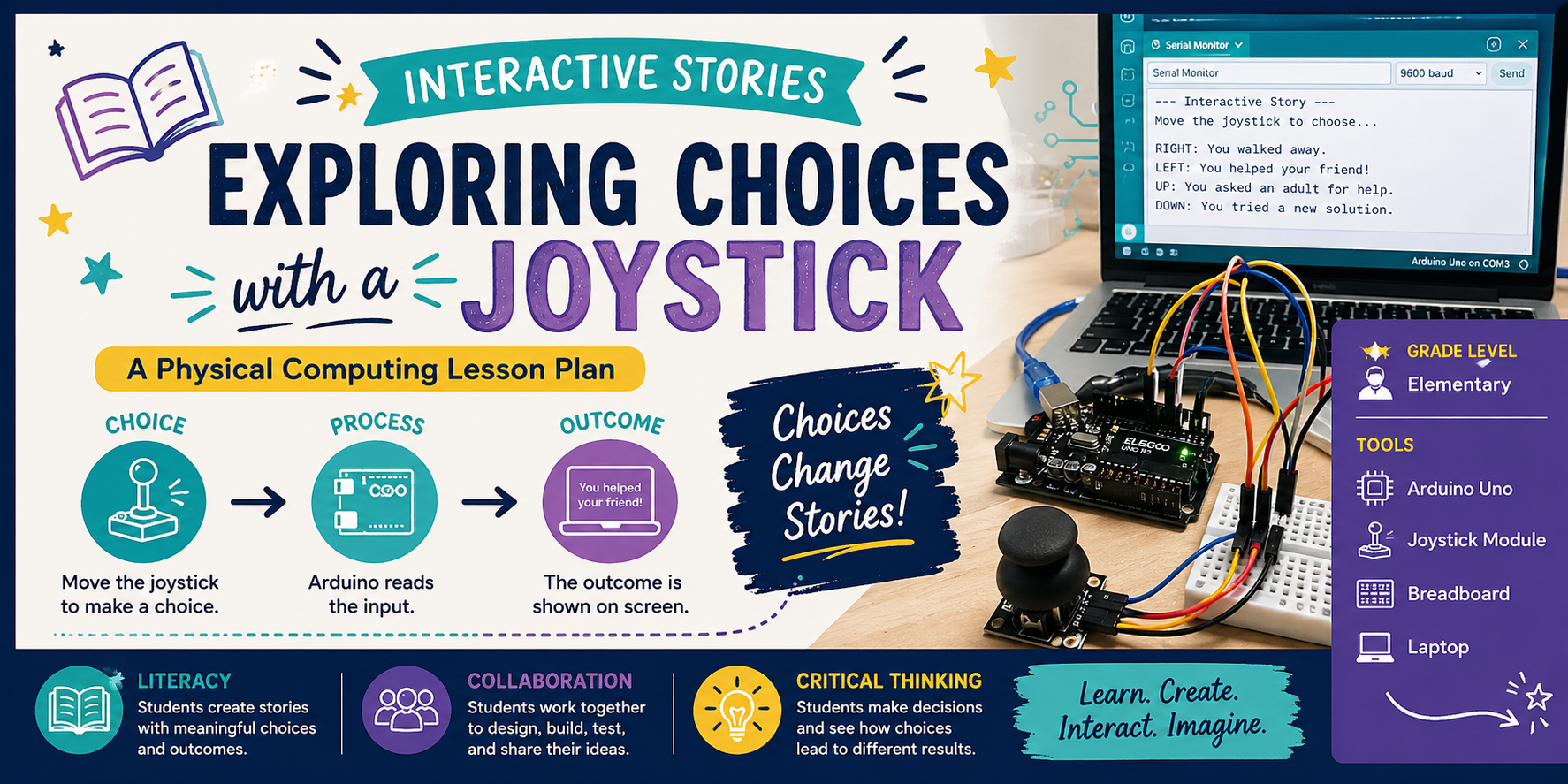
Interactive Storytelling: Exploring Choices Using a Joystick
In this lesson, students create a simple interactive story using a joystick and Arduino. The joystick represents choices in the story, and the Arduino displays the outcome of those choices…
April 26, 2026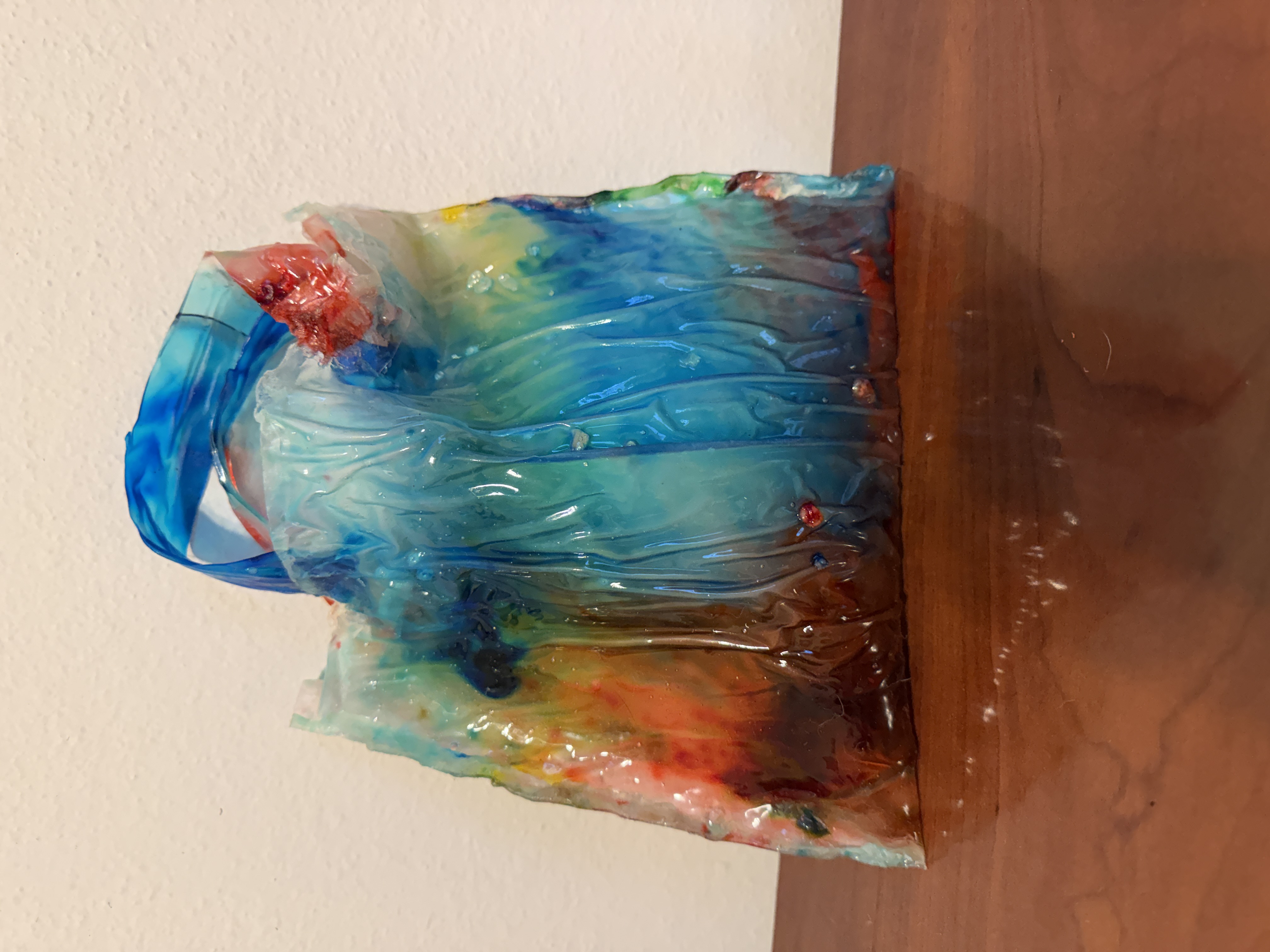
Plastic-Free Power: Build Your Own Biobag!
In this hands-on, project-based lesson, students explore the science of materials and sustainability by designing and creating their own reusable bags from homemade bioplastics. Using simple ingredients: water, gelatin, glycerin,…
April 22, 2026STANDARDS-ALIGNED
Community contributed lessons aligned with Common Core State Standards (CCSS) and Next Generation Science Standards (NGSS) offer formal educators innovative pathways to teaching content knowledge. The Fab I Can Statements are a resource to develop technology-literate learning progressions to align with content standards.
FAB TESTED
Periodically lessons are adapted and tested by the Fab Foundation team based on a call for submissions from fabbers, educators, and makers. Our inaugural set of lessons for the SCOPES-DF project were Fab Tested in 2016 and are tagged Fab Tested on the website.
OPEN-SOURCE VALUES
Lessons are distributed under a Creative Commons CC BY-NC license, that permits free use and re-purposing by others.